
How One Homeowner Achieved Energy Independence with Solar Panels
Share:
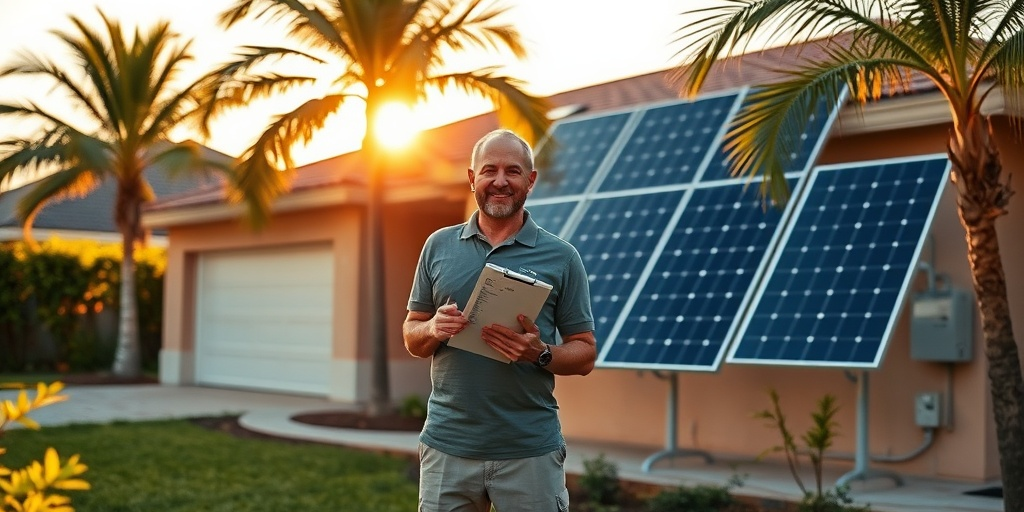
Did you know that the average Florida homeowner could save upwards of $20,000 over 20 years by installing solar panels? With energy prices on the rise and Florida’s abundant sunshine, many are beginning to wonder if now is the time to go solar. In 2025, energy independence could become less of a dream and more of a necessity, as utility rates are projected to increase by 10% (Energy.gov). In our case study titled How One Homeowner Achieved Energy Independence with Solar Panels, we will explore the journey of a Florida homeowner who made the switch to solar energy and experienced not only financial savings but a transformation in their lifestyle. Throughout this article, we will cover five crucial sections: an in-depth case study of the homeowner’s experience, a checklist for getting started with solar, common myths debunked, insights relevant to Florida homeowners, and a technical deep dive into solar technology that influences energy savings. Let’s embark on this enlightening journey together!
A Journey to Energy Independence: The Smith Family’s Solar Journey
Meet the Smith family, a typical suburban family living in Orlando, Florida. With two kids, rising energy bills, and the desire to create a sustainable future, they felt trapped by their monthly expenses. Like many homeowners in 2023, they were skeptical about whether investing in solar panels would truly lead to energy independence. However, after extensive research and consideration, they decided to take the plunge.
Initially, the Smiths were not convinced that solar was the right choice for them. They were inundated with concerns about installation costs, maintenance, and whether they could trust the projected savings that industry experts often tout. The Smiths began by thoroughly investigating local solar companies, eventually choosing Florida Electric & Solar due to their strong reputation and the glowing reviews from satisfied customers (FloridaElectricAndSolar.com).
After a detailed consultation with a solar expert, the Smiths learned that installing solar panels could dramatically reduce their annual electricity costs, which were rising annually by about 3% (SolarReviews.com). They discovered that solar installation would not only help in cutting costs but also increase the value of their home significantly. According to a report from the National Renewable Energy Laboratory, homes with solar energy systems sold for an average of $15,000 more than comparable homes without solar (NREL.gov).
Excited about the prospect of solar energy, they set up an installation appointment. Upon gaining approval for financing options that were available to Florida homeowners, they secured a low-interest loan that would allow them to pay for the panels over time while still saving money on their bills. This process proved essential; it was a transformative moment for the Smith family, who now saw how they could harness the sun to power their home.
The installation day was both exhilarating and nerve-wracking. Technicians worked quickly and efficiently, mounting solar panels on the Smiths’ roof with careful attention to orientation and shading. By the end of the day, the Smiths were relieved to see that not only were their panels up and running, but they were also on track to generate enough energy to offset their monthly electric bills entirely.
Fast forward to 2025, and the Smith family is living their dream of energy independence with solar panels. They now enjoy a significantly reduced electricity bill—down from an average of $200 a month to about just $20 for connection fees (SEIA.org). This meaningful shift empowered them to invest more in their children’s education and family adventures. Moreover, their solar configuration included a backup battery system that ensures they have reliable power even during outages. This added security was a huge plus during storm season, as homeowners frequently experienced power outages during hurricanes. With solar panels and a backup system, the Smith family felt more secure knowing they had the energy independence they had always yearned for.
As their story reveals, the journey to energy independence is attainable—not just a mere fantasy. The combination of financial savings, increasing property values, and the satisfaction of contributing to environmental sustainability provides compelling arguments for deciding to install solar panels. In the next section, we will explore a checklist that can guide potential solar buyers like the Smith family in their pursuit of solar energy.
Essential Steps to Going Solar: A Homeowner’s Checklist
Thinking of going solar like the Smith family? Here’s a handy checklist to help you navigate your solar journey:
- Step 1: Evaluate Your Energy Needs
Start by analyzing your electricity bills over the past year. Understanding which months you use the most energy will help in estimating how many panels you would need. - Step 2: Research Your Options
Research local solar providers to find trusted experts. Look for reviews and request quotes from multiple companies to see a range of what could be offered. - Step 3: Check Your Roof’s Condition
If your roof is older, consider whether it might need repairs or even replacement before installing solar panels. It’s vital to have a structurally sound roof to maximize the benefits of solar energy. - Step 4: Explore Financing Options
Check for local and state incentives that can significantly reduce installation costs. Many Florida homeowners communicate with solar financing experts to obtain optimal interest rates. - Step 5: Schedule Your Installation
Once you select your solar provider, set up an installation date. Expect to have your system operational within a few weeks, depending on permitting and weather conditions.
Each step is a crucial aspect of the overall solar process, and following them meticulously can lead to a rewarding solar experience. If you want professional help through these steps, consider visiting floridaelectricandsolar.com for expert guidance.
Myths About Solar Energy: Debunking Common Misconceptions
Despite the many advantages of solar energy, several myths persist that deter potential Florida homeowners from making the switch. Here, we debunk five of the most common misconceptions:
- Myth #1: Solar Panels Are Too Expensive
While upfront costs can seem high, the plethora of financing options and incentives available today significantly reduce the initial investment. According to the Solar Energy Industries Association, the average cost of solar has fallen by over 70% since 2010 (SEIA.org). - Myth #2: Solar Panels Only Work on Sunny Days
This is a misconception. Solar panels can still generate power on cloudy days; they require sunlight, not direct sunlight, meaning Florida’s frequent rain won’t hinder energy production drastically. - Myth #3: Solar Panels Require Excessive Maintenance
In truth, once installed, solar panels require minimal maintenance. Regular cleaning and occasional inspections are sufficient to ensure optimal performance. - Myth #4: Solar Isn’t Sustainable Long-Term
Solar technology is continually improving, with more efficient panels being developed consistently. Moreover, many companies promote stewardship of the environment, ensuring their solar systems can last decades. - Myth #5: My Home Isn’t Suitable for Solar Panels
While some homes may not have optimal conditions—like heavy shading from trees—many solar providers can offer rooftop assessments or alternative solutions, such as ground-mounted panels.
Each of these myths can create unnecessary barriers for homeowners considering solar. By debunking them, Florida homeowners can make more informed decisions towards energy independence. Next, we will focus on Florida-specific solar information to ensure homeowners can see the tailored advantages of making the switch.
Florida-Specific Insights: What Homeowners Need to Know
Florida, known as the Sunshine State, boasts one of the most favorable climates for solar energy production in the United States. Homeowners should consider several factors unique to Florida as they consider making the solar switch.
One crucial aspect to recognize is Florida’s Net Metering policy. Homeowners can receive credits on their electric bills for any excess energy produced by their solar panels that goes back into the grid. This adjustment makes solar energy not just a sustainable choice—it’s financially beneficial, providing a payback for energy generation.
Additionally, the state has a robust market for solar incentives and financing. These include:
- Federal Solar Tax Credit: Provides a 30% tax credit on the installation costs of residential solar systems (IRS.gov).
- Sales Tax Exemption: Solar equipment is exempt from sales tax, reducing the overall purchase cost significantly.
- Property Tax Improvement: Installing solar panels does not increase your property taxes, making it a lucrative investment.
According to the Florida Public Service Commission, the state is projected to install over 6 GW (gigawatts) of solar within the next five years of 2025 (FPSC.gov). This puts Florida on track to be one of the leading states in solar adoption and positions homeowners at the forefront of a growing industry.
Homeowners may also find that local utility companies have specific programs designed to facilitate solar installations, like rebates and incentives, encouraging solar adoption across different communities. Therefore, researching local solar regulations and opportunities will better equip homeowners in their decision-making process. Interested readers can stay updated on these initiatives by visiting floridaelectricandsolar.com.
Breaking Down the Technology: Understanding Solar Systems
The technology behind solar systems can seem complex, but understanding its basic functionality will empower homeowners to make informed decisions. Let’s break this down into its primary components and processes:
- Solar Panels: These collect sunlight and convert it into electricity through photovoltaic (PV) cells. The efficiency of panels varies; many modern systems produce around 20% efficiency.
- Inverters: After solar panels convert sunlight into direct current (DC) electricity, they need an inverter to convert it into alternating current (AC) electricity, which is what your home uses.
- Battery Storage: Not all systems have batteries, but adding one allows homeowners to store excess energy for use during cloudy days or power outages, enhancing energy independence.
- Monitoring Systems: Many solar installations now include monitoring systems that allow homeowners to track energy production and consumption in real-time through apps.
When selecting a solar system, it’s crucial to consider how each component will work together to maximize energy production and savings. A well-designed solar system, complete with quality panels, inverters, and possibly battery storage, can greatly enhance energy independence and facilitate significant long-term savings. With technology consistently evolving, investing in a modern solar system is an incredible opportunity for Florida homeowners.
Next Steps for Florida Solar Buyers in 2025
As the sun rises on a new era of energy independence, Florida homeowners are positioned to harness solar power effectively in 2025. Here’s a straightforward action plan to help you navigate the transition:
- Step 1: Audit Your Electric Bill
Begin by looking closely at your electric bill to understand your monthly consumption. Knowing your usage is essential in designing a suitable solar system. - Step 2: Research Local Providers
Seek quotes from different solar companies, focusing on reputation, warranties, and customer satisfaction. Look for companies that have strong local ties and national credibility. - Step 3: Understand Your Financing
Review the federal and state incentives available. These can dramatically reduce upfront costs, enabling you to maximize your solar investment. - Step 4: Get Multiple Assessments
Consider reaching out for assessments from various solar providers. This will give you various insights on system sizes and expected financial benefits. - Step 5: Install and Enjoy
Once you choose a provider and sign contracts, get ready for installation! Upon completion, enjoy your new energy independence!
With clear next steps laid out, you can confidently begin your solar journey. For additional support or expert guidance through each phase of your solar installation, please visit floridaelectricandsolar.com.
Conclusion
The story of the Smith family showcases the profound benefits of adopting solar energy in Florida, embodying the savings, sense of security, and environmental impact that only solar can provide. With energy costs steadily rising, the call for energy independence resonates more than ever throughout the state as we approach 2025. Now is the time to consider investing in solar power—a choice that will not only save thousands in energy costs but also contribute positively to our planet’s future.
Embrace the chance to achieve energy independence through solar panels. Whether you’re motivated by financial savings or the desire to support a sustainable future, the journey begins with a single step. Are you ready to start your solar journey in 2025? Connect with a certified expert at floridaelectricandsolar.com today.
Related Articles
More insights about Solar Panels

How Long Do Solar Panels Last in Florida? What to Expect From Your System

Flat Roof Solar Mounting in Florida: A Complete Installation Guide

Myth: Solar Panels Don’t Increase Home Value in Florida
Ready to Go Solar?
Have questions about solar energy? Our experts are here to help you make the switch to clean, renewable energy.