
Ignoring Solar Panel Installation Could Cost You Money in Florida
Share:
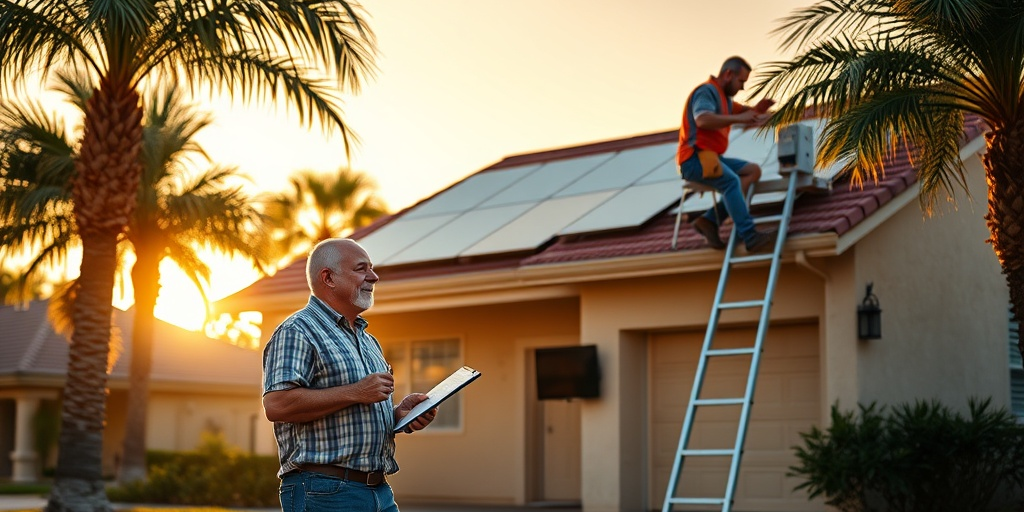
Did you know that ignoring solar panel installation in Florida can lead to significant financial loss? According to a recent report, Florida ranks third in the nation for solar power capacity, with over 7.3 gigawatts of installed solar capacity as of 2023 (SEIA.org). Yet, despite the state’s abundant sunshine and increasing energy costs, many homeowners still hesitate to make the leap into solar energy. This reluctance could cost you hundreds, if not thousands, of dollars in future energy savings. In the context of rising energy prices and the introduction of new solar incentives, ignoring solar panel installation could cost you money in Florida—don’t miss out on essential utility bill savings; discover your options before it’s too late!
As we approach 2025, the urgency to consider solar power has never been more apparent. The sun-drenched landscapes of Florida present an opportunity to cut electric bills significantly and promote sustainability. However, it’s crucial to understand that the landscape of energy production is shifting rapidly. With new legislation emerging to incentivize solar adoption, coupled with the rising costs of conventional energy sources, timing your decision becomes critical.
In this comprehensive guide, we’ll explore the implications of delay in adopting solar energy and the financial benefits of installation. We’ll break down the following five sections to empower you with critical knowledge:
- Deep Dive into Solar Adoption Risks
- Actionable Steps to Evaluate Solar Options
- Common Misconceptions About Solar Energy
- Best Practices for Florida Homeowners
- A Practical Action Plan For 2025
By the end of this article, you’ll be ready to make an informed decision about solar energy installation that could save you substantial money and contribute to a sustainable future.
Understanding the Financial Risks of Ignoring Solar Energy
Failure to install solar panels could mean a significant dent in your finances. In 2023, the average Florida homeowner spent around $1,200 on electricity annually, with this figure expected to rise by 5% in the upcoming years (Energy.gov). Moreover, households with solar panels can save up to 90% on their electric bills—imagine the financial freedom that comes with harnessing the sun’s energy. To illustrate these potential losses, consider the journey of the Johnson family from Orlando, who decided to take the plunge into solar energy.
After years of rising electricity bills, the Johnsons finally installed solar panels in early 2023. Within the first year, they not only reduced their electricity expenses by approximately 75% but also benefited from the federal solar tax credit applicable until 2025. Their decision saved them about $900 in the first year alone. This story highlights a crucial point: hesitating can cost you money. The solar tax credit, designed to reduce upfront costs, is set to dwindle after 2025. Therefore, taking action sooner rather than later makes compelling economic sense.
To further empower your decision-making process, we’ve assembled a brief checklist of questions to consider that guides your path toward solar energy:
- How much is your current electricity bill?
- Are you aware of any state incentives that can reduce installation costs?
- What specific energy needs must your solar system cater to?
- Have you researched solar installation companies in your area?
- What is the expected return on investment for solar installation for your property?
Building on those inquiries, it is vital to dispel some common misconceptions about solar energy. Misunderstandings can create unnecessary fear about the viability and practicality of solar power. Many Florida homeowners delay solar adoption due to myths, often disregarding substantial savings. Let’s take a closer look at some prevalent myths about installing solar panels.
Debunking Common Myths Around Solar Panels
Myth #1: Solar Panels Are Too Expensive
Many believe the initial investment in solar panels is too steep. In reality, with federal tax credits and state incentives, the costs have decreased significantly. The average cost of residential solar has dropped by about 60% in the last decade (SolarReviews.com). Financing options and leasing programs are also available, making solar more accessible than ever.
Myth #2: Solar Energy Only Works in Sunny Conditions
While Florida is known for its abundant sunshine, solar panels can still generate electricity on cloudy days. In fact, modern panels can perform well even under reduced light conditions. The advancements in solar technology continue to improve efficiency levels year after year.
Myth #3: Solar Panels Require Constant Maintenance
Once installed, solar panels require minimal maintenance. An occasional cleaning and yearly inspections are typically all that is needed to ensure they run optimally. The durability of solar panels means they can last anywhere from 25 to 30 years, with manufacturers offering warranties to give consumers peace of mind.
Myth #4: Going Solar Lowers Property Value
Studies show that homes with solar energy systems sell for more than homes without them. In fact, homes with solar energy can increase property values by an average of $15,000 (NREL.gov). This value comes from both energy savings and the attractive sustainability factor that more buyers are seeking.
Myth #5: It Takes Too Long to Recoup the Investment
The true payback period varies by location and energy consumption but generally ranges from 5-10 years. Given the significant savings on energy bills and potential appreciation in property value, many homeowners find solar systems to be profitable investments sooner than they think.
Now that we’ve debunked some myths, let’s take a closer look at best practices for solar installation, particularly for Florida homeowners.
Best Practices for Solar Installation
Making the right decisions during the installation process can maximize your investment. As Florida homeowners contemplate solar energy, here are five expert tips to ensure effective solar panel installation in 2025.
1. Choose Quality Equipment
Investing in high-quality solar panels and inverters can make all the difference in the performance of your system. Quality equipment often offers better warranties and increased efficiency, which translates into more energy savings for your home.
2. Optimize Panel Placement
The right placement of your solar panels is crucial for maximizing energy production. Engaging with experienced installers to assess your property and direct sunlight exposure can enhance generation and save you money.
3. Monitor Your Energy Consumption
Understanding your energy usage will help you determine the size of the solar system needed to meet your needs. By accurately evaluating your consumption, you can avoid over- or under-sizing your solar installation, which can lead to unnecessary costs.
4. Research Financial Incentives
Be fully aware of available grants, tax credits, and financing options. Florida offers a Property Tax Exemption (FS 196.175) that enables homeowners to install solar energy systems without impacting their property tax. This can yield considerable savings.
5. Work with Reputable Installers
Partnering with experienced solar installers will ensure you’re making informed decisions and navigating local regulations effectively. Read reviews and explore past projects to find a trusted local company that aligns with your values and needs.
Next, let’s delve into the journey of an imaginary Florida homeowner as they transition to solar energy.
The Journey of a Florida Homeowner Transitioning to Solar
Meet Maria, a single mother living in Tampa, who decided to switch to solar energy to reduce her monthly expenses and create a sustainable environment for her children. With her children’s futures in mind, Maria took a huge leap, convinced that transitioning to solar would pay off in the long run.
After initially delaying the installation due to myths surrounding solar energy, Maria reached out to experienced professionals who illuminated several opportunities that fueled her optimism:
- Immediate savings on electric bills: After the installation in June 2023, her energy bill dropped from $200 to around $30 monthly.
- Taking advantage of state incentives: She learned about the 26% federal tax credit applicable to her installation costs.
- Increased home value: Real estate professionals informed her that homes with solar panels typically sell for more; this was an essential consideration for her family’s future.
- Empowerment through sustainability: Maria found that educating her children about solar energy sparked their interest in clean energy and environmental responsibility.
Maria’s success story demonstrates the profound financial and emotional impacts of investing in solar energy. If you’re ready to mimic her successful journey, let’s plot your action plan for solar installation.
Next Steps for Florida Solar Buyers in 2025
Are you prepared to take the plunge into solar? Here’s a clear action plan designed for Florida homeowners ready to embark on this sustainability journey.
- Audit Your Electric Bill: Assess your current energy bills to understand your consumption and potential savings. This step clarifies how large your solar system should be.
- Research Solar Options: Gather information on various solar solutions available in your area. Investigate panels, inverters, and mounting systems that suit your needs best.
- Explore Financial Incentives: Look for current incentives and tax credits that apply before making your decision. Tax credits can significantly lower your upfront costs and make solar energy a viable option.
- Consult Trusted Installers: Reach out to reputable solar installation companies in Florida. Schedule consultations to get personalized proposals tailored to your home.
- Schedule Installation: After conducting research and feeling confident about your decision, set a date for installation. Enjoy the financial and environmental benefits that come with it.
Deciding to adopt solar energy is a big step toward financial savings and sustainability. Every day you hesitate could mean money lost to your rising electricity bills. With the right plan and guidance, you can unlock significant savings while contributing positively to the environment.
In conclusion, ignoring solar panel installation could indeed cost you money in Florida. There’s a pressing need for homeowners in the Sunshine State to seize the opportunities available, especially with incentives and technologies rapidly evolving. The financial benefits, sustainability advantages, and potential energy independence make transitioning to solar an essential step for every homeowner.
Are you ready to start your solar journey in 2025? Connect with a certified expert at floridaelectricandsolar.com today.
Related Articles
More insights about Solar Panels

How Long Do Solar Panels Last in Florida? What to Expect From Your System

Flat Roof Solar Mounting in Florida: A Complete Installation Guide

Myth: Solar Panels Don’t Increase Home Value in Florida
Ready to Go Solar?
Have questions about solar energy? Our experts are here to help you make the switch to clean, renewable energy.