
Insider Insights on Solar Panel Installation for Florida Homeowners
Share:
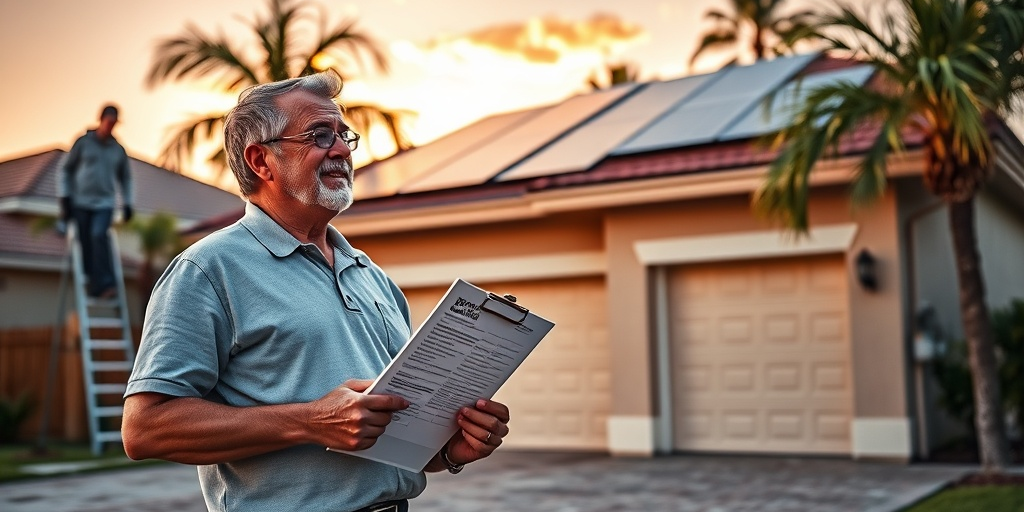
Imagine stepping outside your Florida home, greeted by the sun’s warm rays, and knowing that those rays are powering your entire household. Sounds too good to be true? It’s not—particularly with the advancements in solar technology and the incentives that 2025 promises. Here’s a captivating statistic: as of 2023, Florida is ranked second in the nation for installed solar capacity, boasting over 3.8 gigawatts (GW) of solar energy (SEIA.org). Navigating the world of solar panel installation can feel overwhelming for homeowners looking to cut electricity costs and join the green revolution. That’s where our guide, Insider Insights on Solar Panel Installation for Florida Homeowners, comes in.
In 2025, the urgency to transition to solar energy is more pronounced than ever. With electric rates projected to rise significantly and governmental incentives evolving, now is the pivotal moment for Florida homeowners. Furthermore, the cut-off for current tax credits is fast approaching! In this blog post, we will be diving into five informative sections, starting with a case study that illustrates the benefits of solar energy, followed by a detailed checklist for installation. We will also debunk common myths surrounding solar electricity, hone in on the specifics affecting Floridians, and conclude with a comprehensive technical overview of the installation process. It’s time to make the most out of solar energy—let’s get started!
Case Study: The Hungrys’ Solar Journey
Meet the Hungry family, who reside in the lavish sunshine capital of Naples, Florida. With three children and a hefty electricity bill averaging $400 monthly, sustainability was weighing heavily on their minds. In early 2024, they decided enough was enough and embarked on their solar journey. Armed with only online testimonials and basic research, they contacted Florida Electric & Solar to explore their options.
During the consultation, the team confirmed a crucial fact: in Florida, solar panel installations can reduce energy bills by up to 70% (SolarReviews.com). This gain took the Hungrys by surprise, igniting their curiosity and determination to make the switch. After thorough evaluation, the installation was completed within a couple of months. They opted for a 9.8 kW system, including 28 solar panels and a battery backup system that would ensure they were prepared for hurricane season.
Within six months, they not only saw their energy bills plummet to as low as $120 a month, but they also made a notable impact by drastically reducing their carbon footprint. In fact, they calculated that by using solar energy, they were preventing about 12 metric tons of carbon dioxide emissions per year, equivalent to planting over 300 trees (Energy.gov). This journey taught them valuable lessons regarding incentives, maintenance, and the true essence of owning their power.
Step-by-Step Checklist for Solar Panel Installation
Ready to embark on your solar journey like the Hungrys? Follow this concise checklist to ensure a smooth transition to solar power:
- Step 1: Evaluate Your Energy Needs – Start by auditing your recent electricity bills to determine your average monthly consumption. This data is crucial in selecting the right solar system for your home.
- Step 2: Research Solar Options – Familiarize yourself with different solar power systems including grid-tied, off-grid, and hybrid systems. Understand the pros and cons of each system before diving in.
- Step 3: Verify Local Incentives – Don’t miss out on Florida’s state incentives, such as the sales tax exemption on solar equipment and federal tax credits that can go up to 30% (DSIREUSA.org).
- Step 4: Consult with a Solar Expert – Seek advice from certified professionals to find the best options tailored to your energy needs and home setup. Websites like floridaelectricandsolar.com can help you get started.
- Step 5: Plan for Installation – Ensure your roof is compatible with solar panels; roof age and material play a significant role during installation.
As you follow these steps, keep in mind the importance of choosing a reliable company with a proven track record. The quality of installation can greatly affect your long-term energy yield!
Myth-Buster: Debunking Common Solar Misconceptions
A common roadblock many Florida homeowners face on their solar journey is misinformation. Let’s unravel some prevalent myths:
- Myth #1: Solar Panels Only Work on Sunny Days – While sunlight is essential for solar energy, panels can still produce energy on cloudy days. They’re designed to absorb direct and indirect sunlight, providing a reliable power source year-round.
- Myth #2: Solar Energy is Too Expensive – While it may be perceived as costly upfront, solar panel prices have dropped significantly—over 70% since 2010 (NREL.gov). Considering the long-term savings on utility bills, most homeowners see their investment return within 4 to 7 years.
- Myth #3: Solar Panels Require Too Much Maintenance – In reality, solar panels are relatively low-maintenance. An occasional cleaning is often sufficient to keep them functioning optimally. With warranties lasting up to 25 years, you can enjoy peace of mind.
- Myth #4: All Solar Panels are the Same – There is a variety of solar panels with different efficiencies and warranties. It’s essential to do your research and select panels from reputable manufacturers.
- Myth #5: Solar Installation Decreases Home Value – On the contrary, homes with solar energy systems can increase property value by 4.1% on average across the United States (Energy.gov). Many buyers appreciate the savings and sustainability that solar panels provide.
As you dispel these myths, you’ll find yourself more equipped to make informed decisions about your solar journey. Remember, knowledge is power!
Florida-Specific Focus: Understanding Local Incentives and Regulations
Florida is a solar-friendly state, and understanding local policies is crucial to optimizing your solar investment.
Here are a few key points to consider:
- Net Metering – Florida’s net metering policy allows homeowners to receive credit for excess electricity produced by their solar panels. This can significantly reduce electricity costs and may even lead to credits that carry over into future months.
- State Sales Tax Exemption – Florida offers a sales tax exemption on solar equipment, adding to the appeal of solar investment. This can save you a substantial amount during the initial purchase.
- Rooftop Solar Program – Several utility companies offer programs to incentivize solar installations, including rebates and financing options. Check which programs are available in your specific area.
Being aware of these policies allows Florida homeowners to maximize their solar investment. Consulting an expert at Florida Electric & Solar can help navigate the complex web of incentives in your area, ensuring no stone is left unturned.
Understanding the Technical Aspects of Solar Installations
As a homeowner considering solar energy, it’s imperative to understand the technical components of the system. This knowledge will empower you to make informed decisions about equipment and installation processes. Here are the key components involved:
- Solar Panels – The most recognizable element, solar panels convert sunlight into electricity using photovoltaic (PV) cells. Selection between monocrystalline and polycrystalline panels will vary based on budget and roofing preferences.
- Inverter – This component converts the direct current (DC) electricity from solar panels into alternating current (AC) electricity used by your home. String inverters, microinverters, and power optimizers represent different configurations.
- Battery Storage – Although often seen as an optional feature, batteries allow you to store excess energy generated during the day for use during nighttime or outages. This significantly improves your energy independence.
- Monitoring Systems – Smart monitoring systems enable you to track your energy production and consumption in real-time, leading to increased awareness and optimization of your energy use.
By understanding these components, you can make educated choices during your purchase. Insight into technical aspects supports your discussions with experts, which is essential for enhancing your level of satisfaction with your solar energy system.
Next Steps for Florida Solar Buyers in 2025
As we draw closer to 2025, it’s time to solidify your plans. Here’s your actionable checklist of next steps:
- Audit Your Electric Bill – Understanding your consumption will give you a clearer picture of how much solar capacity you’ll need.
- Consult Multiple Solar Providers – Seek quotes from several companies to compare pricing, warranties, and features. Choose companies with strong reputations.
- Assess Your Roof’s Condition – Prior to installation, ensure your roof is in good condition or plan for necessary repairs; this will streamline the installation process.
- Explore Financing Options – Research available financing options including solar loans, leasing, and power purchase agreements (PPAs) to find what best suits your financial situation.
- Stay Informed on Policy Changes – Check regularly for updates to solar incentives and policies that may affect your installation and savings.
These concrete steps will position you to successfully navigate the solar market and make empowered decisions about your energy future. Don’t hesitate to reach out to specialists at floridaelectricandsolar.com to provide tailored guidance through the next phase of your solar journey.
In conclusion, embarking on your solar journey is an impactful decision that stretches far beyond mere financial savings. It’s a commitment to sustainability and energy independence for you and future generations. By following these insider insights, you’ll be better equipped to navigate Florida’s solar landscape and take full advantage of the benefits! Time is of the essence, considering rising electric rates and expiring incentives.
> Ready to start your solar journey in 2025? Connect with a certified expert at floridaelectricandsolar.com today.
Related Articles
More insights about Solar Panel

Florida Homeowners: Why Solar Panel Maintenance Is Essential

7 Essential Steps for Solar Panel Installation Success

Expert Insights: Key Factors Influencing Solar Panel Lifespan
Ready to Go Solar?
Have questions about solar energy? Our experts are here to help you make the switch to clean, renewable energy.