
Insider Tips on Solar Panel Lifespan for Florida Homeowners
Share:
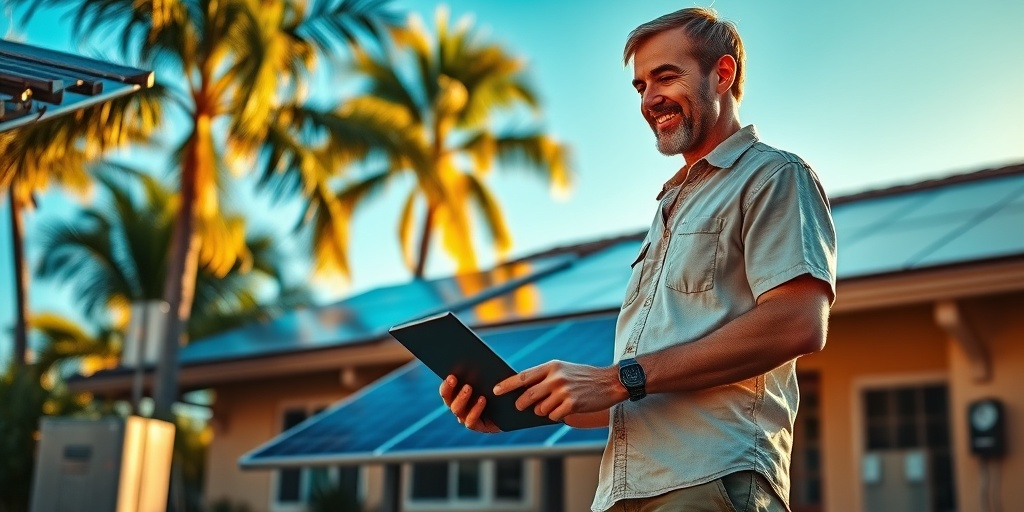
Are you aware that solar energy is becoming increasingly vital for homeowners in Florida, particularly as we approach 2025? In fact, a study revealed that solar energy adoption can lead to an estimated average savings of $9,500 over 20 years for Florida homeowners (SolarReviews.com). Another shocking statistic highlights that, with a sunny disposition, Florida ranks second in the nation for solar potential, boasting 259 sunny days a year (SEIA.org). This raises an essential question for those considering switching to solar: how long can you expect your solar panels to last? Our article, “Insider Tips on Solar Panel Lifespan for Florida Homeowners,” aims to unravel this question and provide you with vital knowledge to maximize your investment. As energy costs continue to rise, understanding the lifespan and maintenance of solar panels becomes not just beneficial but essential for your future energy strategy.
In 2025, the urgency for solar energy solutions will mount due to new solar incentives and the growing unpredictability of energy prices. Therefore, it’s critical for Florida homeowners to comprehend the longevity of their solar panels, factors affecting their durability, and best practices for maintaining peak performance. In this comprehensive guide, we’ll dive deeply into five major sections:
- A Deep Dive into Solar Panel Lifespan – Explore real stories and actionable tips.
- Five Must-Have Steps for Optimal Maintenance – An easy-to-follow checklist for homeowners.
- Myths and Misconceptions – Conquer common myths surrounding solar panel longevity.
- Florida-Specific Insights – Tailored advice for our unique climate conditions.
- A Technical Breakdown – Learn the intricacies of solar technology.
Let’s embark on this enlightening journey into understanding the lifespan of solar panels for Florida homeowners and how to ensure your solar investment stands the test of time.
A Comprehensive Look at Solar Panel Lifespan and What It Means for Florida Homeowners
The average lifespan of solar panels is often cited as 25 to 30 years, but various factors can significantly enhance or diminish this time frame. Take the example of Sarah and John, who reside in Sarasota, Florida. After their installation in 2020, they were eager to see the long-term benefits of their solar investment. Their average monthly electric bill fell from $200 to a stunning $40, thanks to diligent research and proper maintenance.
To further assist you in maximizing your solar investment and ensuring your panels last as long as possible, here’s a detailed checklist:
- Choose Quality Panels – Investing in high-quality solar panels ensures a robust lifespan. Look for panels with warranties of 25 years from reputable manufacturers.
- Regular Maintenance – Consistent upkeep is critical. Schedule annual inspections with a professional solar technician to check for wear or potential issues.
- Monitor Performance – Utilize solar monitoring apps to keep tabs on panel efficiency. If performance drops significantly, it may signal an underlying issue.
- Clean Panels as Needed – In Florida, dust, debris, and occasional bird droppings can affect panel efficiency. A simple wash can often restore efficiency.
- Document Equipment Modifications – If you make changes to your system, ensure they are documented for future maintenance or warranty claims.
This checklist not only provides actions you can take but also reflects your commitment to reaping the most benefits from solar energy. One prevalent myth among prospective solar buyers is that solar panels lose efficiency after their warranty period. However, research indicates that solar panels typically retain over 80% of their production efficiency even after 25 years (NREL.gov). Educating yourself about the lifespan of solar panels while debunking myths will empower you and contribute to effectively managing your solar energy systems.
In Florida, the location plays a substantial role in the effectiveness and longevity of solar panels. For instance, our state’s unique climate, characterized by sunny days and high humidity, requires particular attention. Statistically, solar panels in Florida can be exposed to harsh weather conditions, including tropical storms and hurricanes. This leads to additional consideration when choosing where to mount your panels and how to secure them properly. Evaluating local policies is also vital; for example, the Property Assessed Clean Energy (PACE) program in certain counties provides financing mechanisms that can extend your ability to invest in more durable solar solutions while minimizing upfront costs (DSIREUSA.org).
The technology behind solar panels, batteries, and inverters also plays a crucial role. Take, for example, the advancements in solar inverter technology. Modern inverters included in solar panel systems today come with better warranties, averaging between 5 to 12 years, reflecting their significance in overall system performance. Opting for an inverter with a robust warranty often correlates with fewer repairs and longer-lasting efficiency for your solar energy system. This deeper understanding aids in informing your investment decisions, ensuring you select elements of your system that complement and extend the lives of your panels.
Consequently, as you consider transitioning to solar energy, taking into account the real-life applications, performance warranties, maintenance, and regional factors will boost your solar panel lifespan and make your experience more rewarding. As Florida homeowners, you have an abundance of sunlight available, those extra precautions ensure your system runs efficiently, maximizing financial savings and easing long-term energy independence.
Five Must-Have Steps for Optimal Maintenance of Solar Panels
Understanding how to maintain your solar panels can directly prolong their lifespan and ensure that you are making the most of your investment. Without proper maintenance, even the highest quality solar panels may underperform over time.
Here are five critical steps to ensure optimal performance:
- Step 1: Audit Your Electric Bill – Before switching to solar, understanding your energy consumption habits is essential. Track your usage for a few months to get an accurate picture of your needs and how solar can meet them.
- Step 2: Clean Panels Regularly – Cleaning solar panels might require professional assistance but doing so regularly helps to maintain optimum energy output, especially in Florida’s dust-prone environment.
- Step 3: Monitor Performance Metrics – Invest in a solar monitoring system. This system will alert you instantly to any performance drops that might indicate maintenance needs or a technical failure.
- Step 4: Keep Up with Technological Advances – Staying informed about technological advancements can help you upgrade your system effectively, maximizing efficiency and lifespan.
- Step 5: Consult with Experts – Regularly consult with solar professionals to assess your system’s performance, discuss potential upgrades, and get advice specific to Florida’s environmental challenges.
These steps create a plan for proactive maintenance and monitoring that can significantly enhance the longevity of your solar equipment. A clear takeaway is that regular participation does not merely mean minimizing the potential for catastrophic failure but, rather, achieving a robust performance trajectory that delivers economic returns.
Furthermore, remember that technology is constantly evolving. Investing in smart solar systems recently fashioned to adapt to real-time efficiency metrics can ensure that your solar panels consistently meet or exceed performance expectations. This proactive approach not only enhances the lifespan of the panels but also potentially maximizes the energy harvested from Florida’s abundant sunshine.
Setting the Record Straight: Common Myths about Solar Panel Lifespan Debunked
Despite the growth of solar energy awareness, misinformation still clouds the decision-making process. Have you come across recommendations suggesting that solar panels become less effective after the warranty period? Such myths can unfairly scare potential adopters away from reaping the benefits of solar energy.
Let’s debunk five of these myths:
- Myth #1: Solar Panels Produce Less Energy Over Time – While efficiency may decline, studies indicate that most panels operate at over 80% efficiency even decades after installation (NREL.gov).
- Myth #2: Solar Panels Can’t Work During Rain or Cloudy Days – Solar panels still capture diffused sunlight during cloudy weather and can even produce energy on rainy days.
- Myth #3: All Solar Panels Are the Same – Different manufacturers and panel types offer varying lifespans and efficiencies. Understanding this can direct you toward quality products that last longer.
- Myth #4: You Don’t Need Maintenance if Panels Are Under Warranty – Regular maintenance is essential irrespective of warranties to ensure optimal performance and longevity.
- Myth #5: Solar Energy is Too Expensive – The long-term savings on energy costs offset the upfront investment, making solar not just an eco-friendly option but also a sound financial strategy.
Recognizing these myths is crucial for any homeowner contemplating solar energy. Understanding the true lifespan and potential challenges can lead you to a more educated decision when investing in solar panels. Florida homeowners should delight in the prospective lifelines and advantages these panels can bring, sweeping aside doubts and misconceptions and focusing on embracing clean, renewable energy.
Essential Florida Insights for Sustaining Solar Power Investments
As Florida homeowners considering solar, the local context drastically shapes your experience and decision to go green. The unique climate provides a rich backdrop, but also specific challenges that must be considered for panel longevity.
From hurricanes to tropical storms, Florida is no stranger to extreme weather. Therefore, protected mounting systems designed to weather robust conditions should be a priority during the installation phase. Statistics reveal that houses properly bolstered against storms experience less damage, minimizing repair costs and preserving system integrity (FloridaClimateCenter.org).
Here are critical Florida-specific insights to consider:
- Sunshine State Incentives – Understand local solar incentives and rebates available through state and federal programs. Almost every Florida homeowner may qualify for substantial tax benefits.
- Humidity and Panel Choice – Opt for solar panels rated for high humidity environments to prevent corrosion and wear over time.
- Fire Suppression Measures – Be aware of local fire codes that affect solar system installation; ensure your design meets all safety regulations.
- Florida’s Energy Policies – Stay informed on updated state regulations regarding solar power. Keeping up with these changes can help optimize your installation and usage policies.
- Community Outreach Programs – Engage with local solar community initiatives. They often provide new insights into performance optimization and system longevity specific to Florida’s climate.
Incorporating this localized knowledge into your decision-making process can aid in not just extending your system’s lifespan but also empowering you to maximize your investment. The state boasts incredible solar potential, and adhering to best practices will elevate your energy independence and sustainability goals.
Next Steps for Florida Solar Buyers in 2025
Ready to start your solar journey? With so much to consider, having a clear action plan will help streamline your path toward solar energy. Follow these steps:
- Audit Your Electric Bill – Start by thoroughly reviewing your previous electric bills to understand your consumption patterns. This information is crucial for designing an effective solar system catered to your needs.
- Consult a Certified Solar Professional – Reach out to a certified expert who can help guide your solar options tailored to Florida’s specific climate and electric rates.
- Choose the Right Equipment – Select high-quality solar panels and components with strong warranties. Not sure where to start? Visit floridaelectricandsolar.com for guidance.
- Focus on Installation Best Practices – Ensure that your installation conforms to local building codes and withstands the Florida climate. Proper installation can enhance longevity.
- Create a Monitoring and Maintenance Plan – Develop a schedule to regularly check on your system’s efficiency, cleaning requirements, and maintenance needs.
This thorough action plan will empower you in your transition to solar, enabling you to monitor your system effectively and identify issues early. By investing the time and research to understand each of these steps, you’re not just maximizing your investment; you’re also ensuring your home operates on renewable energy, reducing your carbon footprint.
Finally, as we conclude this guide, remember that becoming a solar homeowner in Florida is an exciting step toward financial independence and sustainable living. Understanding solar panel lifespan and diligently following these expert insights positions you for success as you invest in your future.
Ready to start your solar journey in 2025? Connect with a certified expert at floridaelectricandsolar.com today.
Related Articles
More insights about Solar Panel

Florida Homeowners: Why Solar Panel Maintenance Is Essential

7 Essential Steps for Solar Panel Installation Success

Expert Insights: Key Factors Influencing Solar Panel Lifespan
Ready to Go Solar?
Have questions about solar energy? Our experts are here to help you make the switch to clean, renewable energy.