
Is Solar Panel Installation Worth It for Florida Homeowners?
Share:
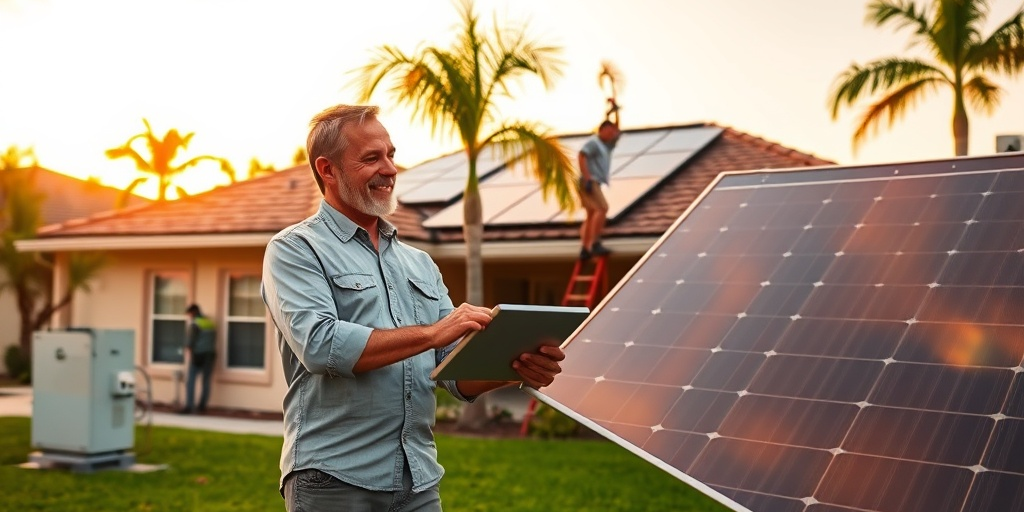
Is solar panel installation truly worth it for Florida homeowners? As energy prices inevitably rise and environmental concerns become paramount, the urgency to explore energy solutions like solar power is stronger than ever. In 2025, homeowners in Florida could see their utilities’ costs soar more than 10% due to various economic factors (Energy.gov), and this makes solar power not just an option but a necessary consideration for many. According to the Solar Energy Industries Association (SEIA), Florida ranks fourth in the nation for solar capacity, boasting over 16,000 solar installations statewide. But with various misconceptions and market fluctuations, it’s essential to dissect the vital question: **Is solar panel installation worth it for Florida homeowners?** Throughout this article, we will delve into the tangible benefits of solar panel installation, tackling five critical sections: a compelling real-life case study, actionable steps to take, prevalent myths about solar, a focus on Florida’s unique solar landscape, and a deep dive into the technical aspects of installation. By understanding these elements, you can grasp the true value solar panels could bring to your household, ultimately leading to significant savings and sustainability in the future.
Florida Homeowners’ Solar Success: A Real Story
Meet Laura Jensen, a typical Florida homeowner living in Orlando. Over the years, she watched her utility bills rise steadily, a plight shared by many in the Sunshine State. In 2023, Laura decided that enough was enough and that it was time to explore her options. After doing extensive research, she discovered that solar panel installation could not only enhance her home’s value but also save her a significant amount on her energy bills. With an investment of approximately $20,000, she installed a solar energy system capable of generating enough electricity to power her home entirely.
Fast forward to 2025, with rising energy costs, Laura’s monthly electric bill shrank dramatically from $150 to about $40, thanks to her decision to harness solar energy. Her system became increasingly beneficial during peak summer months when her air conditioning ran more than ever. In the past two years, Laura has accumulated a robust savings of over $2,640, based solely on her solar energy generation, and additional incentives provided by federal and state solar tax credits made her initial investment viable.
But what if solar panels are not a one-size-fits-all solution? Certainly, investing in solar power comes with its challenges. Many Florida homeowners harbor misconceptions that deter them from making the leap into solar energy. Let’s explore some common myths, crucial checklist steps, and state-targeted facts to clarify any ambiguities regarding solar panel installation.
Your Solar Journey Starts Here: A Checklist for Success
To navigate the prospect of going solar, follow this straightforward checklist:
- Step 1: Assess Your Energy Needs – Understand how much energy you consume monthly and how much you could offset through solar installation.
- Step 2: Evaluate Your Property – Consider the roof’s condition, orientation, and potential shading. Ideal solar conditions often involve a south-facing roof unobscured by trees or buildings.
- Step 3: Research Financing Options – Explore available incentives, tax credits, or financing plans that could reduce the upfront cost of installation. (NREL.gov states that federal tax credits can cover 26% of installation costs.)
- Step 4: Get Multiple Quotes – Contact several local solar companies to understand the costs, types of equipment, and warranties available. This will ensure you get a competitive price.
- Step 5: Review the Installer’s Credentials – Make sure to choose a reputable, certified installer with positive customer reviews and experience in the Florida market.
Following these steps can streamline the process toward your solar goal, making it less daunting and more transparent. Remember to leverage local incentives that may be specific to Florida homeowners; consulting resources like floridaelectricandsolar.com can provide up-to-date information.
Debunking Myths: What You Need to Know About Solar Power
Some common misconceptions about solar panel installations may prevent many Florida homeowners from pursuing this cost-effective energy solution. Here, we debunk these myths:
- Myth #1: Solar Panels Are Too Expensive – Many believe that the initial cost of solar installations outweighs the benefits. However, with increasing financing options and tax credits, many find that they save more than they spend over the lifespan of the system (SolarReviews.com).
- Myth #2: Solar Panels Don’t Work in Florida’s Humid Climate – In fact, solar panels can operate efficiently in a variety of environments, including in humid conditions. They are designed to withstand considerable temperature variations.
- Myth #3: Solar Energy Is Not Reliable – While it’s true that solar energy production can fluctuate, battery storage systems can ensure you have consistent power, even when the sun isn’t shining. Many Floridians rely on battery storage solutions during hurricane seasons.
- Myth #4: Solar Energy Only Benefits the Rich – Numerous financing plans, incentives, and tax credits mean that solar energy is increasingly more accessible to all economic demographics, not just wealthy households.
- Myth #5: Homeowners Don’t Need to Worry About Maintenance – While solar panels require minimal maintenance, they still need to be cleaned regularly and inspected to ensure optimal performance, especially in sandy or dusty environments.
By helping dispel these myths, we can encourage more Florida homeowners to consider solar power as a legitimate and effective option for meeting their energy needs.
Understanding Florida’s Solar Landscape
Florida is known as the Sunshine State, and for good reason — the state receives a significant amount of sunlight throughout the year, making it one of the most promising locales for solar energy investments. In fact, according to a recent report by SEIA, Florida ranks second in the nation for new solar capacity added in 2022, far more than any other state outside California. This trend highlights an increasing acceptance of solar energy among homeowners across the state.
In addition, Florida’s net metering policy allows homeowners to sell excess energy generated back to the grid, creating a lucrative system of energy credits. This policy is a boon for homeowners and can further drive resilience against rising energy costs. Here are some additional important aspects to consider:
- Rooftop Solar Rebates: Some Floridians can benefit from public utility programs that offer incentives for solar installation.
- Federal Tax Credits: The Investment Tax Credit (ITC) allows users to claim 30% of their solar investment against their federal taxes, simplifying the financial decision.
- Local Workshops and Programs: Many communities in Florida offer workshops aimed at educating residents about solar energy’s benefits, financing options, and available incentives.
Understanding these local policies and programs is crucial as they shape the broader solar energy landscape in Florida. Homeowners who educate themselves about these factors can make informed choices that maximize solar savings for years to come.
Next Steps for Florida Solar Buyers in 2025
Ready to make the leap into solar energy? Here’s a structured action plan to guide your solar journey in 2025:
- Step 1: Audit Your Electric Bill – Take a close look at your past electricity usage and identify trends over time. This analysis will help you understand what size system you require.
- Step 2: Research Local Solar Companies – Check the qualifications, reviews, and portfolio of local solar energy companies. Seek at least three quotes to compare.
- Step 3: Understand Local Incentives – Each community may have unique incentives or rebate programs available. Familiarize yourself with these via local resources, such as floridaelectricandsolar.com.
- Step 4: Schedule an Installation – Once you’ve selected a contractor, set an installation date. Make sure to prepare your home, addressing any roof or electrical issues prior to installation.
- Step 5: Monitor Your System’s Performance – After installation, routinely check your system’s output to ensure efficiency. Maintain contact with your contractor for any maintenance needs.
The pathway to solar power, though lined with various steps, can lead to tremendous savings in the long run. Transitioning to solar energy not only reduces your carbon footprint, but also empowers you to take control of your electricity costs, especially as energy prices continue their upward trajectory.
The Bottom Line: Solar Power as a Worthwhile Investment
In conclusion, exploring if solar panel installation is worth it for Florida homeowners unearths numerous benefits. From the resilience against rising electric bills to the environmental impact, solar energy solutions present significant advantages that resonate well beyond immediate savings. Laura’s story exemplifies how financial investment transforms to sustainable living over time, echoing a broader realization that solar power is more than just a trend—it’s a necessity. As technology evolves and financial incentives become more abundant, now is the opportune moment for Florida homeowners to take advantage of the solar boom. Don’t let the myths or uncertainty hold you back. Instead, invest in a cleaner, more sustainable, energy-efficient future.
Ready to start your solar journey in 2025? Connect with a certified expert at floridaelectricandsolar.com today.
Related Articles
More insights about Solar Panel

Florida Homeowners: Why Solar Panel Maintenance Is Essential

7 Essential Steps for Solar Panel Installation Success

Expert Insights: Key Factors Influencing Solar Panel Lifespan
Ready to Go Solar?
Have questions about solar energy? Our experts are here to help you make the switch to clean, renewable energy.