
Myth-Buster: Debunking Common Misconceptions About Solar Panel Installation
Share:
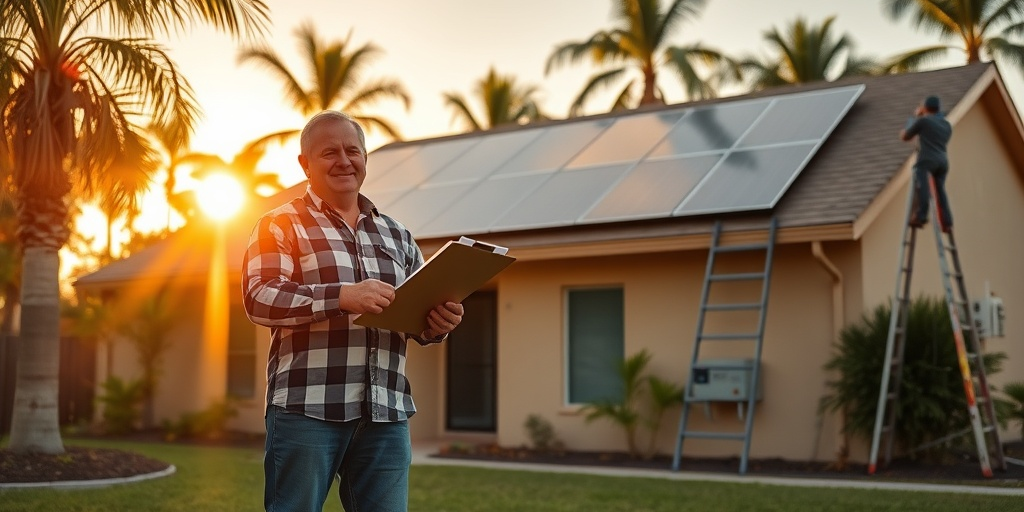
Myth-Buster: Debunking Common Misconceptions About Solar Panel Installation is the essential read for Florida homeowners eager to reduce energy bills and embrace sustainable energy solutions. Did you know that almost 70% of Americans believe solar power is too expensive? This misconception could cost you thousands, while in reality, solar energy costs have dropped by over 80% in the past decade (SEIA.org). Furthermore, incentives like the federal solar tax credit provide substantial savings for homeowners making the switch (Energy.gov). In 2025, our homes and businesses are at a critical juncture; rising electric costs and climate concerns demand urgent action. It’s time to dispel misunderstandings and equip ourselves with facts that can alter the trajectory of our energy future.
As we dive into this article, expect an enlightening journey through five key sections:
1. Real Stories, Real Savings: A Case Study on Solar Adoption
,
2. Your Solar Installation Checklist: Steps to Maximize Benefits
,
3. Common Myths About Solar Energy: Debunked!
,
4. Florida’s Local Landscape: Solar Power Insights
,
5. Technical Insights: Understanding Solar Technology
.
Prepare to challenge your current beliefs and discover how solar power can truly benefit you.
1. Real Stories, Real Savings: A Case Study on Solar Adoption
Meet Jason and Maya, a typical family living in Orlando, Florida. Just three years ago, they were overwhelmed by their soaring energy bills that often topped $300 monthly. After researching energy-efficient upgrades, they steadfastly decided to look into solar panel installation. Skeptical yet hopeful, they reached out to a local solar provider, who presented not only the potential savings, but also the environmental benefits.
Jason voiced a common misconception: “Aren’t solar panels just too expensive and complicated?” He was surprised to learn that the initial costs could be mitigated by financing options, state incentives, and available federal tax credits. In fact, Florida homeowners can expect an average return on investment in solar energy systems to exceed 20% annually (SolarReviews.com). With adaptability in mind, Jason and Maya committed to installing solar panels that would ultimately decrease their monthly electric costs.
By conducting an energy audit and selecting the right system for their home, Jason and Maya installed solar panels that optimized yield even in Florida’s intense sun. They enjoyed a seamless installation experience thanks to their installer’s thorough planning. Within six months, their electric bills dropped to an astonishing $80 monthly, with extra savings during the summer months when solar production peaks. By the end of their first year, they had saved nearly $2,700 (Energy.gov).
Curious about how you can encounter similar benefits? Here’s a simple checklist to follow in your solar journey:
- Step 1: Assess your home’s solar potential with a professional consultation.
- Step 2: Explore financing options to find one that fits your budget.
- Step 3: Submit your application for tax credits and local incentives.
- Step 4: Schedule your solar installation with a trusted provider.
- Step 5: Enjoy lower monthly electric bills and monitor your savings!
As you consider solar, remember that collaborating with trusted local experts—like those at floridaelectricandsolar.com—will ensure you’re maximizing potential savings while staying informed throughout the process. Just like Jason and Maya, you too can achieve both environmental benefits and financial savings by transitioning to solar power.
2. Your Solar Installation Checklist: Steps to Maximize Benefits
Embarking on your solar journey doesn’t have to feel overwhelming; with the right checklist, you’ll be prepared every step of the way. Solar panel installation is a systematic process that can yield fantastic rewards if executed properly. Here’s a detailed checklist to guide your decision-making:
- Step 1: Evaluate Your Energy Needs
Examine past utility bills to understand your typical consumption and identify peak usage periods. This step aids in determining the right solar system size for your circumstances.
- Step 2: Calculate Potential Savings
Use online calculators or consult with specialists to evaluate lifetime savings, factoring in local rates and incentives. Understanding this could reveal the hidden potential of solar energy for your budget.
- Step 3: Research Providers
Look for reputable local solar installers who are familiar with Florida’s unique climate characteristics. Check customer reviews and seek referrals to find a trustworthy partner.
- Step 4: Understand Financing Options
Explore various financing methods, including cash purchases, loans, leases, and power purchase agreements (PPAs). Each option comes with unique pros and cons that could fit different financial situations.
- Step 5: Prepare for Installation
Clear the area around your roof and access points to facilitate a smooth installation process. Stay connected with your installer to align on timelines and preparations.
Staying informed and well-prepared will allow you to enjoy a seamless solar installation experience. Remember, planning is key. For more information on best practices for solar installation, visit floridaelectricandsolar.com.
3. Common Myths About Solar Energy: Debunked!
In our quest for clarity, it is crucial to dismantle myths associated with solar energy. Misconceptions can deter valuable decisions, costing homeowners in the long run. Here are five prevalent myths and their truths explained:
- Myth #1: Solar panels are too expensive.
While initial costs may seem high, various financing options, tax incentives, and a significant drop in solar costs over the years have made solar energy accessible to many homeowners. Cost reductions mean homeowners can enjoy lower energy bills quickly.
- Myth #2: Solar panels don’t work on cloudy days.
Solar panels can still generate electricity even on overcast days! In fact, some studies indicate that they perform better in cooler temperatures, and Florida’s climate is ideal for year-round solar energy generation (NREL.gov).
- Myth #3: Installing solar panels is overly complicated.
Partnering with a qualification solar installer simplifies the process. Experts handle all inspections, permits, and installation, making your transition to solar energy hassle-free.
- Myth #4: Solar panels require too much maintenance.
Unlike common appliances, solar panels typically require minimal maintenance. Periodic cleaning and an occasional inspection will ensure optimal efficiency; that’s it!
- Myth #5: Solar energy isn’t environmentally friendly.
Conversely, solar energy significantly reduces greenhouse gas emissions! Adopting solar technology can deter reliance on fossil fuels, leaving a positive impact on our beautiful Florida landscapes.
By dispelling these myths, homeowners can make informed decisions based on facts. Greater awareness will lead to more homeowners considering the switch to solar power and enjoying the financial and environmental benefits.
4. Florida’s Local Landscape: Solar Power Insights
Florida ranks high in solar energy potential, but it’s essential to navigate its unique landscape accurately. The Sunshine State is ideally suited for producing solar energy, yet many homeowners remain skeptical. Here are some vital insights to consider:
- Sunshine Hours: Florida enjoys an impressive average of 237 sunny days annually. This consistent exposure significantly boosts solar energy yield compared to states with harsher weather conditions (SEIA.org).
- Net Metering: Residents can benefit from net metering programs that enable homeowners to receive credits for excess energy produced, enhancing overall savings.
- Local Incentives: Programs such as property tax exemptions for solar energy systems add further benefits for Florida homeowners, incentivizing energy-efficient upgrades.
From addressing local policies to understanding unique climate impacts, navigating Florida’s solar landscape is paramount for maximizing benefits. For personalized advice, consult experienced professionals who understand both regional requirements and opportunities. Discover more at floridaelectricandsolar.com.
5. Technical Insights: Understanding Solar Technology
Diving deeper into the technology behind solar panels can bolster confidence and understanding in the adoption process. Understanding how components interact is vital for success. Here’s what you need to know:
- Solar Panels: Understanding the different types of solar panels—monocrystalline, polycrystalline, and thin-film—helps you make an informed choice based on efficiency, cost, and aesthetic preferences.
- Inverters: The inverter plays a critical role in transforming sunlight into usable electricity. Different inverter types, like string inverters and microinverters, influence the system’s overall reliability and performance.
- Battery Storage: With the advent of battery storage, homeowners can store excess power for use during outages or higher demand times, increasing energy independence.
Understanding these elements can empower you to make informed decisions, enabling you to take control of your energy future. With so many advancements on the horizon, consider consulting local experts for insights that can enhance your solar experience.
The journey to adopting solar energy involves knowledge, planning, and collaboration. Dispelling myths, knowing your options, and being aware of local incentives are key components to making the switch advantageous. The urgency of taking action will only grow as energy costs rise and sustainability becomes imperative.
As we reach the conclusion of our exploration of solar energy, let’s recap those immensely important insights you’ve gained:
- Each step in solar energy installation can lead to incredible savings.
- Common misconceptions can deter critical decisions that benefit both family and environment.
- Florida homeowners have unique advantages to maximize solar savings.
- Understanding technical aspects fosters confidence in the adoption process.
Ready to start your solar journey in 2025? Connect with a certified expert at floridaelectricandsolar.com today.
Related Articles
More insights about Solar Panels

How Long Do Solar Panels Last in Florida? What to Expect From Your System

Flat Roof Solar Mounting in Florida: A Complete Installation Guide

Myth: Solar Panels Don’t Increase Home Value in Florida
Ready to Go Solar?
Have questions about solar energy? Our experts are here to help you make the switch to clean, renewable energy.