
Myth-Buster: Debunking Solar Panel Installation Scams You Should Avoid
Share:
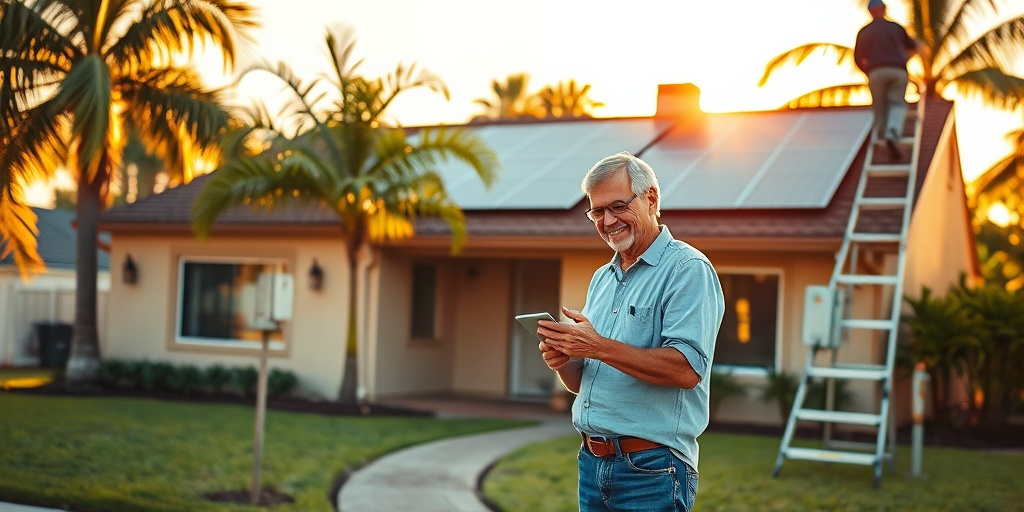
“`html
Imagine knowing that 40% of Florida homeowners specifically want to go solar, but at the same time, they are unsure whether they can trust the solar companies they encounter. With the rise of misleading practices threatening our community’s shift toward renewable energy, it’s essential to address these concerns head-on. In the upcoming revelation titled “Myth-Buster: Debunking Solar Panel Installation Scams You Should Avoid,” we dive deep into the common scams plaguing the solar industry, especially in Florida, a state renowned for its sunshine and solar potential. In fact, Florida has ranked number two in the nation for solar capacity as of 2023, contributing significantly to the clean energy movement (SEIA.org). Yet, as we approach 2025, Florida homeowners are facing new challenges related to rising energy costs and persistent misinformation surrounding solar investments. Understanding what misinformation or scams to look out for is crucial as you step into the highly relevant decision of transitioning to solar power. Throughout this article, we’ll explore five informative sections that not only debunk the prevalent myths surrounding solar scams, but also empower you with statistical insights, actionable knowledge, and local expertise to ensure a successful solar experience.
Why Trusting Solar Installation Companies is a Game Changer
As the solar industry continues to grow, so does the prevalence of scams aimed at unsuspecting homeowners. Everybody wants to make informed decisions, particularly when financial stability is on the line. The following is a relatable case study:
Let’s take the story of Susan and Mike, a young couple residing in Jacksonville, Florida. Eager to reduce their carbon footprint and lower their electricity bills, they explored transitioning to solar power. However, their excitement turned to anxiety after hearing horror stories from friends about scams involving misleading quotes and subpar installation quality. After reviewing their options, they stumbled upon a checklist of criteria that would help them avoid scams in their solar journey.
Step 1: Research the companies thoroughly—check their reviews on platforms such as the Better Business Bureau (BBB) and SolarReviews.com.
Step 2: Get multiple quotes—ensure you’re comparing apples to apples when they evaluate different offers.
Step 3: Verify certifications and licenses—make sure any company you consider is appropriately certified and experienced in solar installations.
Step 4: Understand the contract—read all terms and conditions carefully, possibly involving a legal advisor if unsure.
Step 5: Ask about warranties and maintenance plans—installations should come with solid warranties covering the equipment and installation work.
By following these steps, Susan and Mike ultimately found a reputable installer and made a successful switch to solar energy without falling victim to scams. But how does this relate to the larger picture? Through their experience and others like it, we can debunk the myriad of myths that foster a sense of skepticism towards solar panel installations in Florida.
Myth #1: All Solar Companies are Scammers. Many people believe that the majority of solar installation companies are out to con consumers. However, reputable companies consistently receive positive feedback and are backed by industry accrediting bodies (SolarReviews.com).
Myth #2: Solar Panels Aren’t Worth the Investment. While the upfront costs can seem daunting, many Floridians save thousands over time with lowered electric bills and available tax incentives. The state’s net metering programs help offset initial expenses (NREL.gov).
Myth #3: Solar Energy Requires Too Much Maintenance. Actually, minimal upkeep is required with solar panels, as they are designed to withstand Florida’s unique climate. A simple cleaning several times a year can keep them efficient (SEIA.org).
Myth #4: Solar is Too Complicated. The processes involved can appear overwhelming, but trusted providers will simplify the experience and help guide you through every step of the installation and beyond.
Myth #5: You Can’t Go Solar If You Have a Roof that’s Not Optimally Positioned. While some roof types may require more innovative solutions, ground-mounted systems and solar carports can deliver solar energy benefits, even for atypical properties (Energy.gov).
In our journey toward understanding solar energy and its benefits, it’s important to consider local relevance. For instance, Florida’s abundant sunshine makes it an ideal location for solar investments, presenting homeowners with a long-term solution to expensive and inconsistent grid electricity. With more than 400,000 solar installations across the Sunshine State as of 2023, the possibilities are ripe for exploration.
This leads us seamlessly into a deeper technical exploration of the key components of solar — examining innovations in technology and performance standards.
The Critical Components of Your Solar System: What to Know
The solar installation landscape is evolving rapidly, bringing along advancements that simplify the process and enhance performance. Understanding these elements is crucial for any Florida homeowner considering solar.
- Solar Panels: The heart of any solar system, technology has progressed from traditional silicon modules to high-efficiency panels that boast impressive performance even in partial shade.
- Batteries and energy storage: With more homeowners opting for off-grid solutions or battery-backed solar systems, storage technology has become a vital factor. Lithium-ion batteries now provide reliable options for maximizing solar investments.
- Inverters: The inverter converts the direct current (DC) from your solar panels into the alternating current (AC) used in your home. Advanced models include optimizers that ensure maximum energy capture regardless of panel shading.
- Monitoring Systems: Many modern systems now come equipped with monitoring solutions that allow homeowners to track performance and optimize energy efficiency through accessible mobile apps.
As homeowners in Florida become increasingly tech-savvy, these innovations enable a more informed consumer. In fact, studies show that proper system monitoring can enhance energy efficiency by over 10%, leading to longer-lasting savings (NREL.gov).
Now, let’s take a closer look at how to ensure you’re working with a trusted provider. The journey of Susan and Mike illustrates the importance of adhering to proven best practices, ensuring you’ll avoid solar scams while gaining clarity about the technology at play.
5 Expert Solar Installation Tips for 2025
Investing in solar energy entails numerous decisions that can shape the efficiency and longevity of your system. Navigating the available options can be daunting, but with the following expert tips in mind, you will feel empowered to make choices that resonate with your needs.
Tip 1: Don’t Skimp on Panel Placement
Where solar panels are installed can significantly impact overall efficiency. Ensure panels are positioned to maximize exposure to sunlight. Professional evaluation may be necessary to optimize placement based on trees, shading, or unique roof designs.
Tip 2: Review Warranty Information
Solar systems are a long-term investment, and as such, understanding warranty terms is essential. Look for warranties that cover both the equipment and the installation, ideally extending beyond the general ten-year mark.
Tip 3: Stay Up to Date with Local Government Incentives
As 2025 approaches, many local authorities continue to roll out fresh incentives aimed at promoting solar energy. Keep an eye on available rebates or tax credits that could offset your initial installation costs.
Tip 4: Choose a Reputable Installer
Research potential installers and seek referrals from friends, family, and online reviews. A trustworthy installer will also offer transparent quotes and honest information about the system’s performance.
Tip 5: Understand Your Financing Options
With a variety of financing options available—from loans to leases—it’s crucial to understand the implications of each before deciding. Explore options that align with your financial goals, ensuring your transition to solar makes financial sense (Energy.gov).
By implementing these tips, Florida homeowners will be better positioned to make informed decisions that enhance the benefits of solar technology while ensuring scams remain at bay.
Your Solar Journey—A Real Florida Experience
Picture Maria, an older homeowner in Fort Lauderdale, who decided to convert her home to solar energy after experiencing a significant spike in her electricity bills. Determined to invest in a sustainable future for her family, she bravely navigated the world of solar energy installation. Initially confused by all the information available, she sought out a reputable solar company with a solid track record. Ultimately, Maria managed to land a fantastic deal after conducting thorough research, obtaining multiple quotes, and asking questions to ensure she understood her options.
Throughout the process, she kept herself informed through official resources (like NREL.gov), giving her insights into performance and efficiency standards relevant to the Florida climate. Maria’s journey highlights the importance of becoming educated and well-versed in solar technology. Here are a few key points that any homeowner can take away:
- Research thoroughly—knowledge is power, and informed decisions lead to better investments.
- Utilize community resources—connect with neighboring homeowners who have made the switch or get involved in local solar advocacy groups.
- Be proactive—don’t hesitate to ask questions and seek guidance; there’s no such thing as a silly inquiry when tackling a big investment.
- Understand your home’s energy needs—calculating average monthly energy consumption can help clarify the size and power of the system you will need.
The impact of Maria’s decision has not only bolstered her financial standing by cutting her electric bill significantly but has also instilled in her a sense of pride for contributing to environmental sustainability. In the end, that transformation reinforces our core belief at Florida Electric & Solar—transitioning to solar should be a source of empowerment rather than uncertainty and fear.
Next Steps for Florida Solar Buyers in 2025
As we navigate toward 2025, the need for knowledgeable decision-making surrounding solar energy becomes increasingly critical. Here’s a simple and clear path to follow:
Step 1: Audit Your Electric Bill
Gather the last few months of electric bills to understand your average usage and costs. This will help you evaluate how a solar system can potentially save you money.
Step 2: Research Solar Providers
Compile a list of local solar companies and check their ratings on platforms such as BBB or SolarReviews.com.
Step 3: Schedule Consultations
Reach out to select providers for consultations. Discuss your energy goals, and make sure to request multiple quotes.
Step 4: Understand Financing Options
Explore loans, leases, or cash purchases. Work out what option feels well-aligned with your financial position.
Step 5: Make the Choice
After thorough research and consideration, choose the solar provider that resonates best with your needs, ensuring you feel confident moving forward.
Ready to embrace the renewable energy revolution and cut your electric bills in 2025? Start your solar journey today by connecting with a certified expert at floridaelectricandsolar.com.
As we conclude this extensive exploration into solar panel installation experiences, potential scams, and the broader Florida solar landscape, it is imperative to remember that knowledge fosters power and confidence. Transitioning to solar energy promises a beneficial and impactful journey for Florida homeowners, and understanding the myths, technologies, and best practices is vital. This knowledge not only prepares you for the coming energy transition but creates a platform for sustainable living for future generations.
We hope this comprehensive guide has inspired you to act with confidence and conviction in choosing solar energy. The future beckons—take that path toward independence and responsibility. Ready to start your solar journey in 2025? Connect with a certified expert at floridaelectricandsolar.com today.
“`
Related Articles
More insights about Solar Panels

How Long Do Solar Panels Last in Florida? What to Expect From Your System

Flat Roof Solar Mounting in Florida: A Complete Installation Guide

Myth: Solar Panels Don’t Increase Home Value in Florida
Ready to Go Solar?
Have questions about solar energy? Our experts are here to help you make the switch to clean, renewable energy.