
Myth-Buster: Debunking Misconceptions About Solar Panel Installation
Share:
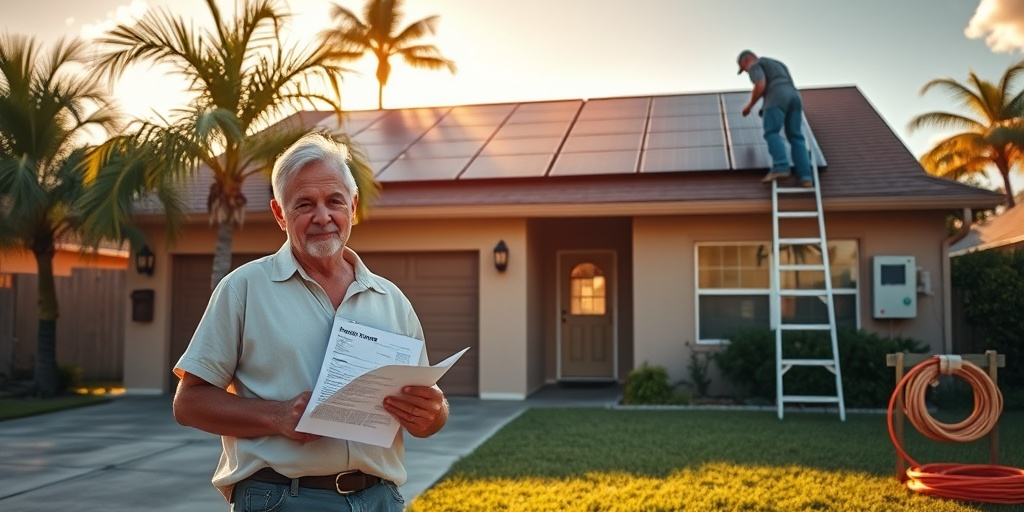
In 2025, the sun is not just a celestial body; it’s a shining beacon of hope for Florida homeowners looking to cut rising energy costs while embracing a more sustainable lifestyle. Did you know that solar energy accounted for approximately 18% of all new power capacity added in the U.S. in 2022? This growth reflects not only advancements in technology but also escalating energy prices—Florida’s residential electric rates are among the highest in the country and continue to rise (U.S. Energy Information Administration). Yet, many still hold on to outdated myths about solar panel installation that can deter them from making the switch to renewable energy. This article, titled Myth-Buster: Debunking Misconceptions About Solar Panel Installation, aims to clear the confusion surrounding solar energy, breaking down five common myths that might be holding you back.
As we step into 2025, it is imperative to understand the urgency of transitioning to solar power. With Florida’s extensive sunlight and generous incentives for solar panel installations, the time has never been better to consider green energy solutions. By dispelling misconceptions, such as the belief that solar panels are too expensive or only work in certain weather conditions, we enable Floridians to make informed decisions. This blog will cover five essential sections:
1. A Case Study highlighting real-world experiences with solar panel installations.
2. A checklist to guide homeowners and businesses through the process of going solar.
3. A myth-busting section addressing common misconceptions about solar energy.
4. Insights focusing on Florida-specific statistics and policies that impact solar adoption.
5. A technical deep-dive making sense of the technology and billing aspects involved in solar energy.
Let’s dive into the myths and misconceptions to better understand how solar power can transform your home and community.
Real-Life Success Stories: Solar Energy’s Impact
Consider the journey of the Johnson family from Tallahassee, Florida. They were initially skeptical about going solar due to their belief that the installation process was cumbersome and financially unwise. After significant research, they discovered how solar power could not only reduce their electricity bills but also increase the value of their home. The Johnsons installed a solar panel system in 2023, and their decision has since yielded remarkable financial and personal rewards.
To unpack their success, let’s look at some key aspects involving their solar installation:
- Cost Savings: In just six months, the Johnsons reported a 40% reduction in their electricity expenses, a sizable relief considering Florida’s notorious rates.
- State Incentives: Through the Florida Solar Energy Incentives Program, they qualified for a $5,000 state tax credit and took advantage of favorable financing options available for solar installations.
- Environmental Benefits: The family takes pride in knowing they’ve reduced their carbon footprint, contributing to a healthier planet.
Despite the installation costs, their story exemplifies how solar energy can deliver a strong return on investment—an important factor when considering renewable energy options. In Florida, over 800,000 homes are powered by solar energy, a number projected to rise as installation prices decrease and more residents seek sustainable solutions (Florida Solar Energy Center). This case reflects a shift towards more concerned environmental practices in addition to the substantial financial benefits that solar energy can offer.
Moving forward, it’s crucial to address the myths that mislead prospective solar buyers. The following checklist summarizes critical steps homeowners should take into consideration before choosing to go solar:
- Research Financing Options: Determine what works best for your budget and whether federal or state incentives are available.
- Find a Certified Installer: Selecting an experienced installer can make a difference in ensuring a smooth transition to solar.
- Evaluate Energy Needs: Conduct an energy audit to assess how much solar power you will require based on consumption patterns.
- Understand Local Regulations: Familiarize yourself with local zoning laws and regulations governing solar installations.
- Monitor Performance: After installation, track your solar system’s performance to ensure it meets expectations.
This insight into the Johnsons’ story, combined with actionable steps, helps dispel the myth that solar is either too costly or impractical for the average homeowner. Now, let’s address five common misconceptions in the solar landscape.
Myth-Buster: Debunking Common Solar Misconceptions
Many people are misinformed about solar panel systems, and the following myths can hinder informed decision-making. Here’s a closer look at these misconceptions and the realities that refute them.
Myth #1: Solar Panels Are Too Expensive
While it is true that the upfront cost of solar panel installation can be daunting, many financing options, tax credits, and rebates available today can significantly reduce the initial investment. According to EnergySage, the average cost of a solar panel system has dropped by 60% since 2010 (EnergySage.com). The long-term savings on electricity can result in a notable ROI.
Myth #2: Solar Panels Don’t Work in Cloudy Weather
This misconception stemmed from early solar technology limitations. Modern solar panels use advanced technology allowing them to harness sunlight even on overcast days. In fact, a significant amount of solar energy is generated on cloudy days! Research from NREL shows that solar panels can produce 30%-50% of their rated capacity in cloudy weather (NREL.gov).
Myth #3: Solar Energy Is Only for Environmentalists
While many environmentally conscious people adopt solar power, it’s not exclusive to this demographic. The financial benefits gained from reduced energy costs appeal to a broader audience. In 2025, as energy rates continue to rise, many homeowners and businesses will consider going solar purely for economic reasons.
Myth #4: Installing Solar Panels Will Void My Roof Warranty
This fear often discourages homeowners from considering solar systems. It’s actually common practice for residential solar installers to collaborate with roofing companies to ensure that solar panel installations do not affect existing roof warranties. Moreover, reputable solar installers often offer warranties on their installations to cover any future issues.
Myth #5: Solar Energy Isn’t Reliable
Many believe that solar systems can’t sufficiently power a home during the night or in poor weather. However, advancements in battery storage technology enable homeowners to store surplus energy produced during the day for use whenever needed. As battery technology continues to evolve, this misconception will dissipate as solar becomes known as a reliable energy source.
These common myths only serve to cloud the reality of solar energy and hinder its potential. Armed with accurate information, Florida homeowners can now move forward with confidence as they consider solar panel installation.
Florida’s Solar Landscape: Policies and Statistics
In Florida, the solar landscape is increasingly favorable for adoptive homeowners. Positive state policies combined with abundant sunlight make the Joy of owning solar power an attainable goal. Here’s an exploration of Florida-specific data and incentives that illustrate the current climate toward solar energy:
- Fed and State Tax Credits: Florida homeowners can qualify for the federal solar investment tax credit (ITC), which offers a credit of 26% of the total installation costs until 2026 (SEIA.org).
- Property Tax Exemption: Floridians can benefit from a property tax exemption for solar panel installations, ensuring that solar energy system values won’t be included when assessing property taxes (Florida Department of Revenue).
- Net Metering Policies: Florida has a net metering policy that allows homeowners with solar systems to sell surplus energy back to the grid, making it a financially viable choice (Florida Public Service Commission).
Currently, the state ranks third in the nation for solar capacity, with over 1.5 million homes utilizing solar panels (Florida Solar Energy Center). The local enthusiasm for renewable energy is evident as Florida leads nationwide efforts to expand access to clean energy and fight climate change.
Looking into the technical aspects of solar panel installations illuminates how they maximize savings and simplify energy management. Here’s a breakdown of factors to consider:
- Understanding Solar Panels: Most solar panels today use crystalline silicon technology, recognized for efficiency and durability.
- Battery Storage: Using modern storage solutions allows homeowners to save energy produced over the day to use at night or during adverse weather.
- Bill Structure: Understanding your utility billing structure helps determine how much energy your solar system will need to produce to offset costs.
- Inverters: Choose the right inverter (string, micro, or hybrid) based on your unique solar setup and needs.
Understanding such factors can help maximize efficiency and savings, positioning Florida homeowners to make educated choices as they consider their solar energy journey.
5 Expert Solar Installation Tips for 2025
As you consider making the switch to solar, here are five expert tips that can ensure a successful installation and positive experience:
- Research Available Incentives: Don’t miss out on federal or state incentives currently available, and look into groundbreaking programs that may benefit you.
- Choose an Experienced Installer: Opt for a contractor with a solid reputation and positive reviews to ensure high-quality installation.
- Evaluate Energy Consumption: Assess your current consumption patterns, as understanding these will help determine the scale of your solar needs.
- Ask About Warranties: Inquire about equipment warranties and performance guarantees to safeguard your investment.
- Consider Battery Storage: Investing in battery storage can offer true energy independence, especially in Florida where hurricanes pose a threat to power accessibility.
These expert tips aim to streamline the process from start to finish. Engaging with a trusted installer can enhance your understanding and ensure each facet of your installation contributes to maximum energy savings.
Next Steps for Florida Solar Buyers in 2025
For homeowners considering solar energy, taking strategic steps can alleviate concerns and facilitate a swift transition:
- Step 1: Audit Your Electric Bill: Gather your energy bills to understand your average monthly consumption and identify potential savings through solar energy.
- Step 2: Evaluate Financing Options: Explore bank financing, solar loans, and leasing to find the best options that suit your budget.
- Step 3: Schedule a Consultation: Contact a certified solar installer to receive an appraisal of your home and discuss system design tailored to your needs.
- Step 4: Review Contracts Thoroughly: Carefully walk through contracts, asking questions about financing and installation services to ensure transparency.
- Step 5: Monitor Your System Post-Installation: Keep track of your energy production levels and any issues that arise to maintain optimal performance.
By following these actionable steps, Florida residents can feel empowered in their journey to switch to solar. With the rising cost of electricity and new technologies emerging, learning to own your power today can pay dividends well into the future.
Conclusion: Embrace the Solar Future
As we explore the world of solar energy through the lens of Myth-Buster: Debunking Misconceptions About Solar Panel Installation, it becomes clear that knowledge is power. By dispelling myths and understanding the reality of solar panel installations, Florida homeowners are better equipped to make informed energy choices. The stories of families who have successfully transitioned to solar serve as inspiration and a testament to the benefits of renewable energy.
With increasing energy costs, a growing climate crisis, and expansive solar incentives, the future of affordable energy lies in solar power. We have established that solar technology has advanced, making it an accessible, efficient, and reliable source of energy in 2025. As you consider your energy options, remember that you have the ability to take control of your power—and protect your family and future from rising electric rates.
Are you ready to start your solar journey in 2025? Connect with a certified expert at floridaelectricandsolar.com today.
Related Articles
More insights about Solar Panels

How Long Do Solar Panels Last in Florida? What to Expect From Your System

Flat Roof Solar Mounting in Florida: A Complete Installation Guide

Myth: Solar Panels Don’t Increase Home Value in Florida
Ready to Go Solar?
Have questions about solar energy? Our experts are here to help you make the switch to clean, renewable energy.