
Myth-Buster: Debunking Common Misconceptions About Solar Panel Installation
Share:
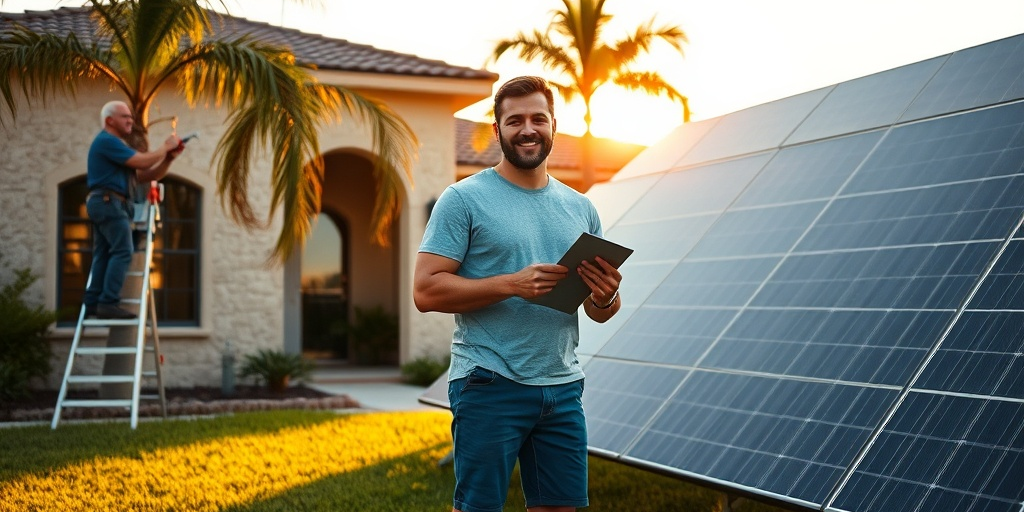
Imagine a world where Florida homeowners could significantly reduce their electric bills while contributing to a more sustainable environment. Did you know that solar power usage in Florida has surged over the past decade, reaching more than 3,200 megawatts of installed solar capacity as of 2023 (SEIA.org)? With energy costs on the rise and incentives for solar installation becoming more attractive, 2025 represents an unprecedented opportunity for homeowners and businesses alike to invest in solar power. Yet, a plethora of misconceptions about solar panel installation still persist, often holding potential customers back from harnessing the full potential of solar energy. This brings us to our topic: Myth-Buster: Debunking Common Misconceptions About Solar Panel Installation.
In this article, we will address common myths that cloud the understanding of solar energy while providing factual information to clear the air for you. The urgency to go solar is compounded by the recent introduction of new tax incentives like the federal solar investment tax credit (ITC), allowing you to claim up to 30% of your solar installation costs on your taxes (Energy.gov). We’ll help you discover how to maximize your solar investment and clear up confusion—as failure to do so may result in missed opportunities for savings and self-sufficiency. Here’s what we’ll cover in the upcoming sections:
1. **Understanding the Myths**: Dive deep into the most common misconceptions surrounding solar panel installation.
2. **Creating an Actionable Checklist**: A step-by-step framework to guide you through a successful solar journey.
3. **Technical Deep-Dive**: Delve into the technology of solar panels and what it means for you as a homeowner.
4. **Local Focus**: Examine how Florida’s unique conditions influence solar power adoption and system design.
5. **Future-Proofing Your Investment**: Learn how to prepare for the future of energy and stay ahead of the curve.
Understanding the Myths Surrounding Solar Panel Installation
It’s essential to separate fact from fiction when exploring the decision to install solar panels. Unfortunately, myths can shape perceptions, leading to costly miscalculations in decision-making. We’ll here dive into the heart of these legends, using a real-life anecdote to illustrate the stakes involved.
Meet the Thompsons, a family of four living in Jacksonville. They faced mounting electric bills, and in 2023, they decided to explore solar panel installation. However, pre-existing myths nearly derailed their decision. Friends and family cautioned them about the “dangers” of solar power, claiming high costs and inefficiency made it a poor investment. Despite the hesitations, the Thompsons decided to get an expert consultation, leading to some incredible realizations.
Myth #1: Solar Panels Are Too Expensive
If you’ve heard that solar panel installation costs are exorbitant, you might be surprised to learn that the cost of solar has plummeted over 70% since 2010 (SolarReviews.com). The Thompsons found out through research that financing options and tax incentives effectively eliminated their upfront costs and quickly turned the installation into a financially sound choice.
Myth #2: Solar Power Only Works in Sunny States
Many believe solar panels require consistent, direct sunlight to be effective. In reality, solar panels can generate electricity on cloudy days as they capture diffused sunlight (NREL.gov). This was a revelation for the Thompsons. Their home still received optimal power generation despite occasional cloud cover.
Myth #3: Solar Power Equals a Loss of Privacy
Another frequently cited myth is that installing solar panels will compromise the appearance of your home or reduce its value. On the contrary, well-integrated solar systems can enhance curb appeal. The Thompsons’ upgraded system made their home stand out, ranking them higher on the neighborhood’s desirability meter.
- Know the costs. Research local incentives, financing options, and what your return on investment could look like.
- Consult with experts. Make appointments with trusted solar firms to get a professional perspective.
- Plan for all weather conditions. Understand how solar technologies work in various climates.
- Don’t fear the change. Be open-minded about the installation process and aesthetic impact.
- Search for rebates. Look into state and local programs that can further assist with financing.
Understanding these misconceptions is critical for potential solar buyers, especially as Florida homeowners navigate the evolving landscape of renewable energy. By dispelling myths, you’ll find clarity in your solar investment, leading to a more informed decision. Plus, Florida’s warm climate makes it fertile ground for solar energy production—local data supports an average of over 260 sunny days each year, providing ample sunlight for solar panels (FloridaSolar.org). The Thompsons’ story shows that with proper information and guidance, the transition to solar energy can be not just simple but rewarding in multiple ways as you explore your options.
Creating an Actionable Checklist for Solar Installation
Are you ready to take the plunge into solar energy but unsure where to start? An actionable checklist serves as an invaluable resource in streamlining the installation process while dispelling any lingering doubts. Our checklist will walk you through the essential steps needed to ensure a smooth transition into solar energy, maximizing savings and convenience.
Step 1: Audit Your Electric Bill
The first step is to understand your electricity consumption. Analyze your past bills to determine your average monthly usage. This insight will help direct your solar needs—whether you’re aiming for energy independence or simply want to minimize energy costs.
Step 2: Research Solar Options
Take time to explore various solar panel options along with battery systems. Different panels have different efficiencies and costs. For example, monocrystalline panels typically offer higher efficiency but at a premium price. Understanding these options will equip you with the knowledge to choose the best fit for your home.
Step 3: Check Local Incentives
Florida’s solar market is rich with incentives. Research Federal tax credits, state incentives, and even local utility programs to determine what financial assistance is available. These can dramatically reduce installation costs and increase your return on investment.
Step 4: Select a Reputable Installer
Once you’ve performed your research, it’s crucial to choose a certified and experienced solar installer. Check online reviews, request references, and be sure to verify certifications or licenses to ensure you’re working with a reputable company. This choice is foundational for the quality and reliability of your installation.
Step 5: Understand the Installation Process
Ask questions to familiarize yourself with what the installation will entail. Understanding the process helps alleviate any fears and prepares you for any required preparations. Knowing what to expect can minimize downtime and improve communication.
- Remember, an installation can take just one day, although permitting and approvals may add to the timeline.
- Discuss any potential disruptions to your schedule.
- Ensure all components, like inverters and batteries, are included in the final installation plan.
By adhering to this actionable checklist, you’re already steps ahead of many potential Florida solar buyers who let misconceptions and apprehension cloud their judgment. Equipping yourself with the right knowledge and support can lead to a seamless and lucrative transition into solar power. The Thompsons learned these lessons the hard way, but now they serve as advocates for solar energy in their community. Remember, as you delve into this journey, to stay informed and keep floridaelectricandsolar.com in mind as a resource for local programs and trusted installation services.
A Deep Dive into Solar Panel Technology
As an informed homeowner, it’s important to understand the intricacies of solar technology. Familiarity with the components of a solar power system will empower you to make smarter decisions regarding installation and energy usage. Let’s explore solar panels, inverters, and storage batteries— and how they work together for optimal efficiency.
Solar Panels
Solar panels consist of numerous photovoltaic cells which convert sunlight into electricity. Monocrystalline panels, often regarded for their high efficiency and minimal space requirements, are a popular choice among Florida homeowners. Their sleek design and longevity make them a top contender for residential settings. However, polycrystalline panels, generally less expensive, might be more suitable for some budgets.
Inverters
Inverters play a critical role in solar power systems by converting the direct current (DC) generated by the solar panels into alternating current (AC), which powers your home. String inverters are common but may experience efficiency losses during shaded conditions. Micro-inverters, however, work individually at each panel, ensuring maximized performance regardless of shading. Educating yourself on these options can directly affect your system’s efficiency.
Battery Storage Systems
Many homeowners now consider battery storage systems to store excess energy for later use. This allows you to harness solar energy even during cloudy days or at night. A common option is the Tesla Powerwall, which is known for its durability and performance, but it comes with a premium price tag. Analyze your energy needs to determine if battery storage fits your lifestyle.
- Understand local laws regarding permit acquisition and installation.
- Research warranties for panels and systems to ensure product quality.
- Stay aware of developments in solar technology to maximize efficiency and savings.
As you deepen your understanding of solar technology, remember that an informed approach significantly enhances your chances of maximizing solar investments. The journey doesn’t end with installation; you’ll also want to track performance and stay updated with local regulations, especially as the solar space continues to evolve. This is your opportunity to own your power as rates continue to fluctuate in the energy markets. The Thompsons’ story exemplifies how valuable knowledge can turn initial skepticism into a rewarding and sustainable investment in your home.
Future-Proofing Your Solar Investment
To build a sustainable future, it’s essential to prepare for upcoming events that could impact solar power adoption. Trends indicate a gradual shift in the energy landscape, particularly in states like Florida, which are rich in solar potential. Here, we’ll engage with projections and forecasts relevant to the solar market, helping Florida homeowners make informed choices moving forward.
With the anticipated increase in energy prices, the demand for solar installation is poised to rise sharply. A recent report by the U.S. Department of Energy suggests that solar energy generation could double by 2025 (Energy.gov). As more consumers recognize the long-term savings and environmental benefits, homeowners adapting to this change early will be in the best position.
Finding avenues for community funding initiatives is also essential. Numerous organizations across Florida are working with local governments to create programs aimed at supporting solar energy expansion. Engaging in these efforts could allow you to access funding or educational resources that can enhance your solar experience.
- Participate in local solar events to connect with homeowners sharing their experiences.
- Stay informed about changes in local regulations affecting solar energy.
- Review periodic updates about tax incentives that can lower your installation costs.
Being proactive about your solar journey means not just understanding what it takes to go solar now but preparing for the future ahead. The landscape of solar energy is a dynamic one; staying ahead of trends will solidify your position as a thought leader within your community on energy matters. The Thompsons have committed to being advocates for solar power, and in doing so, they may well inspire others to consider the solar transition.
Next Steps for Florida Solar Buyers in 2025
Now that you’ve delved deep into the world of solar energy and debunked common myths, it’s time to put the information into action. A successful solar journey encompasses planning, understanding, and a dedication to adapting to new energy solutions. Here’s your actionable roadmap to navigate your solar experience seamlessly.
Step 1: Audit Your Electric Bill
Assess your electricity consumption monthly to determine your average usage. Knowing this allows for a tailored solar installation that meets your precise energy needs.
Step 2: Familiarize Yourself with the Market
Engage with different solar installers and solicit quotes. This helps define the right installation for your home’s structure and budget.
Step 3: Apply for Incentives
Utilize available federal and state incentives to reduce costs associated with installation. Florida offers numerous tax credits that can significantly ease financial burdens.
Step 4: Make the Final Decision
Choose a reputable installer with verified credentials and experience. Checking references may help narrow down your options to those best fit for your project.
Step 5: Prepare for Installation
Communicate openly with your installer about any questions or concerns. Ensure your home is ready for installation day—clear the necessary areas for equipment and personnel working.
Overlooking any of these steps could hinder the success of your solar journey. By carefully planning your transition, you allow for smart decisions that enhance not just your home’s value but also your quality of life. Embrace this moment in your solar experience and take proactive measures to ensure the best possible outcome. Remember that your transition not only supports your energy independence but also contributes to a larger global vision of sustainable living. Are you ready to start your solar journey in 2025? Connect with a certified expert at floridaelectricandsolar.com today.
In conclusion, debunking common misconceptions about solar power is only the first step toward making an informed decision on solar panel installation. The Thompsons have transformed their skepticism into advocacy, leading them to a successful solar-powered home filled with benefits. In a continuously evolving energy landscape, your decision has broader implications—not just your finances but also the health of our planet. The urgency is clear. The benefits are immense. Timing is key. Don’t let myths dictate your decisions. Armed with the insights from this article, take charge of your energy future and be a part of the sustainable revolution.
Related Articles
More insights about Solar Panels

How Long Do Solar Panels Last in Florida? What to Expect From Your System

Flat Roof Solar Mounting in Florida: A Complete Installation Guide

Myth: Solar Panels Don’t Increase Home Value in Florida
Ready to Go Solar?
Have questions about solar energy? Our experts are here to help you make the switch to clean, renewable energy.