
Myth: Solar Energy Is Only for New Homes
Share:
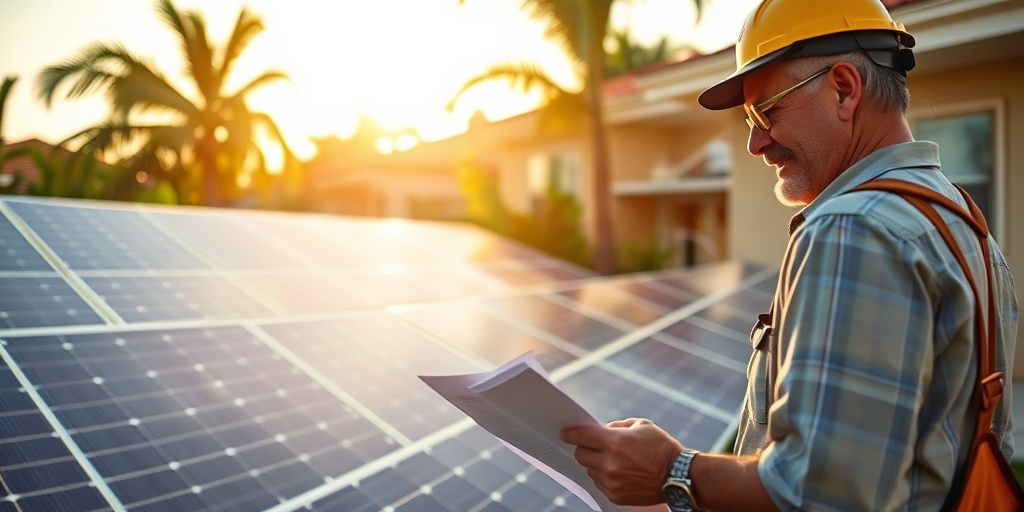
In the lush, sun-soaked landscapes of Florida, one bold statistic remains vibrant: residential solar installations have skyrocketed by over 50% in the last five years (SEIA.org). With energy prices on the rise and increasing concerns about climate change, the urgency to adopt renewable energy sources like solar power has never been more pressing. Yet, an unsettling myth continues to infiltrate the minds of many Florida homeowners: the belief that solar energy is only for new homes. Enter our blog titled, Myth: Solar Energy Is Only for New Homes. It’s time to dispel this myth and illuminate the truth—that solar panel installations not only benefit new constructions but also rejuvenate older homes and commercial properties alike. In fact, nearly 90% of Florida solar users report satisfaction with their systems, a testament to the power of this renewable energy source (Florida Solar Energy Center). As we head into 2025, the opportunity to harness solar energy grows even larger, buoyed by new incentives, advances in technology, and the quest for energy independence. In this article, we will explore the following key sections: 1) A case study debunking the myth; 2) A checklist for home and business owners; 3) Multiple myths busted; 4) Local implications for Florida property owners; and 5) A technical deep dive into how solar systems work.
Debunking the Myth: Solar Energy is Only for New Homes
Picture this: a charming, 1970s bungalow nestled in the heart of Orlando. Meet the Johnson family, proud homeowners who have recently decided to transition to solar energy. Initially, they were stymied by the belief that their older home was ill-suited for solar panels, thinking, “Aren’t solar panels just for new builds?” However, after thorough research and consultation with local experts from Florida Electric & Solar, they realized their home could indeed be outfitted with a solar system, despite its age.
Statistics show that solar energy systems can be successfully installed on homes of all ages. In fact, Florida boasts some of the most favorable conditions for solar energy success due to its abundant sunshine, with an average of 237 sunny days a year (AppliancesConnection.com). As the Johnsons researched energy costs, they learned that outdated electric systems were hindering their potential savings. By implementing solar energy, they could not only reduce their electric bills but also contribute positively to the environment.
- Step 1: Assess Your Roof’s Condition. Is your roof structurally sound? If yes, don’t let its age deter you!
- Step 2: Review Local Regulations. Certain incentives and policies apply to older homes that could benefit you significantly.
- Step 3: Consult with Professionals. Your local solar installers can provide insights into optimal systems that suit your property’s unique needs.
- Step 4: Estimate Solar Production. Tools like solar production calculators can help you visualize future savings.
- Step 5: Evaluate Financing Options. Programs are available to offset upfront costs, making solar more accessible for all.
It’s essential to debunk the following myths that may inhibit homeowners from considering solar energy:
- Myth #1: Solar panels damage my roof—Reality: Proper installation by certified professionals ensures your roofing integrity!
- Myth #2: Solar energy is too expensive—Reality: With the right financing options, solar energy can dramatically decrease energy costs.
- Myth #3: Solar systems require too much maintenance—Reality: Minimal maintenance is needed, with average system life spans of 25 years!
While outdated properties may pose unique challenges, the advancements in solar technology ensure that every home, regardless of age, can harness the sun’s energy effectively. Take, for instance, the various incentives set in place through government programs that directly aid Florida homeowners; they can reduce installation costs even further, making the transition financially feasible.
Checklist for a Smooth Solar Transition
Moving toward solar energy can feel overwhelming for many homeowners, especially those with misconceptions regarding older homes. Don’t let uncertainty hold you back! Here’s an actionable checklist to guide you through a successful solar transition.
- Evaluate Energy Needs: Start by reviewing your past energy bills to understand your electricity consumption. Having an energy audit performed can further illuminate areas for improvement.
- Inspect Your Roof: An inspection by a certified professional will help determine if your roof is ready for solar panels. An assessment of the structural integrity is crucial.
- Research Financing Options: The state of Florida offers numerous financing programs designed to ease the transition to solar. Low-interest loans, rebates, and tax credits can cover substantial costs.
- Choose the Right Installer: Engage a reputable solar installer familiar with Florida’s unique climates and regulations. This act is crucial for ensuring proper installation and maximizing efficiency.
- Review Grid Tie vs. Off-Grid Options: Depending on your needs, consider whether you want to stay connected to the grid. Most Florida homeowners choose the grid-tied systems to save on upfront costs while maintaining a reliable power source.
In conclusion, the myth that solar energy is only for new homes is one that can only hinder progress. The reality is that solar power is adaptable to virtually any property type in Florida. As financial incentives continue to evolve and technology improves, more homes will unlock the potential of self-generated energy.
Myth-Busting: Common Misconceptions About Solar Energy
Many misconceptions surrounding solar energy can deter property owners from considering this renewable resource. With that in mind, let’s dive deeper into some commonly held beliefs that don’t stand up to scrutiny, ensuring you’re equipped with the right knowledge to inform fellow Florida homeowners.
- Myth #1: Areas with cloud cover can’t benefit from solar energy.
Truth: Solar panels function even on cloudy days, producing energy due to diffuse sunlight. In fact, some installations in Florida’s less sunny areas have consistently delivered savings. - Myth #2: Solar energy isn’t reliable.
Truth: With advancements in battery storage technology, homeowners can now store energy for nighttime use, enhancing reliability (Energy.gov). - Myth #3: It’s too late to invest in solar power.
Truth: As energy prices continue to rise, now is one of the best times to kit out your home with solar panels. Additionally, Florida consumers benefit from state-level incentives that make investment worthwhile.
Understanding the truth behind these myths can open doors to significant savings on utility bills and promote environmental responsibility among Florida homeowners. The transition to solar power is an empowering journey for property owners seeking autonomy over their energy sources.
Local Focus: Florida’s Solar Landscape
Florida is often referred to as the Sunshine State for good reason—it boasts some of the highest solar panel installations in the country. As of 2023, approximately 15% of Florida homes and businesses utilize solar energy, translating to over 1.17 GW of installed solar capacity (SEIA.org). With the state living in the paradise of abundant sunshine and progressive solar incentives, it has full potential to become a leader in renewable energy.
Understanding the state’s solar policies and financial benefits is crucial for property owners considering a solar investment.
- Net Metering: Florida’s net metering policy allows homeowners to receive credit for excess energy produced, effectively reducing future electric bills.
- Property Tax Exemptions: Many Florida homeowners are unaware that solar panels can be exempt from property tax assessments, allowing them to enjoy the full value of their investment without skyrocketing values on their tax bills.
- Federal Investment Tax Credit (ITC): Homeowners can claim a tax credit of 26% of the total installation cost through December 2022, which will then decrease to 22% in 2023 (DSIREUSA.org).
With numerous incentives in place, Florida homeowners have never had a better opportunity to invest in solar energy. Even older homes can benefit tremendously through such regulations, allowing homeowners both energy savings and a reduced carbon footprint. Delve into a brighter future by exploring how your property qualifies for solar technology.
Technical Deep-Dive: Understanding Solar Systems and Their Components
As the push toward renewable energy accelerates, it’s essential to comprehend how solar energy systems operate. Aimed squarely at demystifying solar technology for homeowners, this section will provide insights into the essential components that bring solar energy into your home.
Solar Panels: Usually made of silicon cells, solar panels convert sunlight into direct current (DC) electricity. Available types include monocrystalline, polycrystalline, and thin-film panels, each varying in efficiency and cost.
Inverters: Inverters play a critical role in converting the DC electricity from the panels into alternating current (AC), the type used in homes. There are string inverters, micro-inverters, and power optimizers, each providing a different level of performance.
Battery Storage: Batteries offer significant advantages, enabling solar energy to be stored for use during evenings or cloudy days. Options such as lithium-ion batteries perform well and are among the best choices for homeowners looking to maximize independence.
Monitoring Systems: Monitoring systems keep a watchful eye on energy production, ensuring the solar setup operates efficiently. These systems inform homeowners when maintenance is required, facilitating a seamless experience.
Solar Incentives and Policies: Navigating regulations in Florida is essential for optimizing savings. Installers should be well-versed in state policies and available incentives to minimize the cost burden on homeowners.
The perfect combination of these elements contributes to the overall efficiency and productivity of a solar system. Engaging a professional solar installer ensures the strongest components are chosen to suit your specific needs, regardless of home age.
Next Steps for Florida Solar Buyers in 2025
As we approach 2025, the transition to solar energy is clearer than ever. Those ready to join the movement must navigate several essential steps to simplify the process:
- Audit Your Electric Bill: Start by pinpointing your average monthly energy consumption to tailor your solar system effectively.
- Explore Financing Options: Investigate various financing methods available through Florida Electric & Solar to determine what best fits your financial situation.
- Schedule a Consultation: Reach out to a reputable solar provider to conduct an assessment and discuss optimal installation options.
- Understand Local Regulations: Gain awareness of the local ordinances and incentives in Florida that may impact your installation.
- Monitor Installation Progress: Keep engaged throughout your installation process to ensure that all steps are performed correctly. Submit any documentation required to secure your incentives.
Embracing solar energy transforms how you interact with your environment while paving the way for a sustainable future. Ultimately, engaging with experts will ensure that overcoming myths and taking steps toward solar adoption is a seamless experience.
In closing, the journey towards solar energy is not simply a financial decision but a courageous step toward environmental stewardship and energy independence. So many homeowners wrongly believe that solar energy is just for new construction. However, the truth reveals that solar power offers significant benefits to all types of properties, regardless of age. Urgency surrounds this decision, aligning with a world increasingly shifting toward energy solutions that respect both the planet and the bottom line.
Ready to start your solar journey in 2025? Connect with a certified expert at floridaelectricandsolar.com today.
Related Articles
More insights about Solar Energy

How Long Do Solar Panels Last in Florida? What to Expect From Your System

Myth-Buster: Separating Truth from Fiction About Solar Energy Savings

Beginner’s Guide to Solar Energy Independence for Florida Homeowners
Ready to Go Solar?
Have questions about solar energy? Our experts are here to help you make the switch to clean, renewable energy.