
Myth: Solar Panel Installation Is Too Expensive for Florida Homeowners
Share:
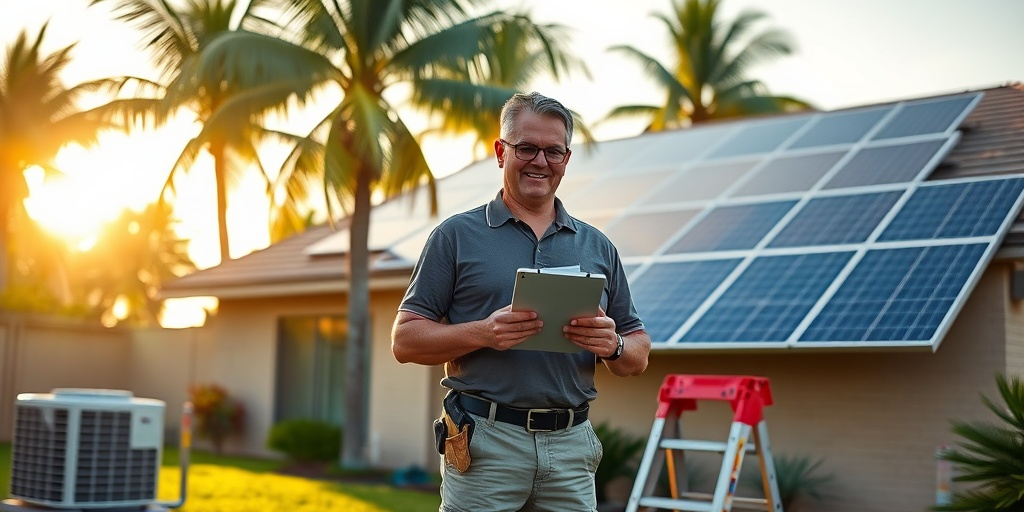
In 2023, a staggering 4.5 million homes across the United States embraced the transformative power of solar energy, illustrating a remarkable shift towards renewable energy solutions. Yet, despite this growing trend, homeowners in Florida often find themselves deterred by the common belief captured in the phrase, **”Myth: Solar Panel Installation Is Too Expensive for Florida Homeowners.”** This myth not only undermines the financial viability of solar but also discourages countless residents from considering a move that could bring substantial savings and environmental benefits. Did you know that over the next five years, the cost of solar installations is projected to fall by up to 15% due to advancements in technology and competitive pricing? Moreover, Florida’s sunny climate means that the potential for solar energy generation here is higher than in many other states. As 2025 approaches, now is the time to debunk the myth that solar panel installation is too costly for homeowners in the Sunshine State.
This blog post will **debunk five key myths** surrounding solar energy, specifically addressing concerns over costs. Here’s a brief overview of what you can expect in the upcoming sections:
1. A case study that illustrates real-life experiences with solar installations.
2. An actionable checklist to guide you through the process of adopting solar energy.
3. A myth-busting segment where we dismantle common misconceptions.
4. A local focus tailored to Florida residents and the unique perks they can access.
5. A technical deep-dive into financial incentives and solar financing options available to homeowners.
Understanding these points is crucial as we move towards 2025—a year when rising energy costs and new governmental incentives will make solar power an opportune investment for many Florida homeowners. Let’s dive into the world of solar energy, bust these myths, and unveil the truth about solar panel installation costs.
Unpacking the Solar Energy Investment: A Myth-Buster Case Study
To provide clarity on the myth around the cost of solar panels, let’s take a look at a Florida homeowner—the Rodriguez family from Orlando. They experienced skepticism about solar installations due to the misconception that it takes a fortune to adopt this renewable resource. However, after conducting thorough research and understanding available grants and rebates, they decided to make the leap. The Rodriguez family installed a solar energy system for around $25,000, benefitting from the federal tax credit of 26%, which alone saved them over $6,500 on the upfront cost (Energy.gov).
Their total initial investment was considerably reduced through various state incentives, making solar increasingly accessible. The family’s choice not only diminished their electric bills—leasing their panels meant they eliminated costs entirely—but it also positively impacted their property value by about $15,000 (SolarReviews.com). But how can you be sure if solar installation is truly within your financial grasp? Here’s a concise checklist of actionable steps for homeowners evaluating solar energy:
- Step 1: Evaluate Your Electric Bill — Understanding your current consumption is crucial.
- Step 2: Research Solar Options — Look into various types of solar systems available, from rooftop panels to solar farms.
- Step 3: Investigate Incentives — Explore federal, state, and local incentives that can reduce upfront costs.
- Step 4: Obtain Multiple Quotes — Reach out to reputable solar installation companies to get different offerings.
- Step 5: Consult an Expert — Speak with a certified solar energy consultant for personalized advice.
Arming yourself with knowledge and a clear plan can significantly offset concerns about installation costs. By leveraging incentives, Florida homeowners can minimize upfront investments while maximizing long-term savings. Next, let’s dismantle common myths surrounding solar panel installations, especially regarding expense.
Myths About Solar Energy: Debunking the Cost Dilemma
The belief that solar energy is prohibitively expensive is rooted in misunderstandings and outdated information. By addressing these myths head-on, we can offer clarity to those unsure if solar is a feasible option for them as residents of Florida.
Myth #1: Solar panels cost too much for average homeowners.
Many believe installing solar panels requires an extensive budget meant only for wealthier homeowners. The truth is that federal tax credits, state incentives, and financing plans have made solar installations accessible for everyone. Currently, the upfront cost of solar has gone down by 58% over the past decade (SEIA.org).
Myth #2: You won’t save enough to justify the installation costs.
Contrary to this notion, homeowners typically recover their investment within 5 to 7 years, depending on energy consumption and local utility rates. In Florida, residents can save an average of $45,000 over 20 years with solar energy (Florida Solar Energy Center).
Myth #3: Solar energy systems are inefficient and won’t cover all my energy needs.
In fact, modern solar panels harness approximately 17-22% of sunlight, which may even power your entire home based on consumption. With advancements in storage solutions like solar batteries, homeowners can reliably manage energy even after sundown.
Myth #4: The installation process is complex and time-consuming.
Most installations can be completed within one to two days, and solar companies handle all the permitting and paperwork. This ensures a hassle-free experience for homeowners looking to switch to solar power.
Myth #5: Maintenance is costly and complicated.
Solar panels are remarkably low-maintenance. Most reputable companies include warranties covering maintenance for years. Cleaning them once or twice a year is often enough to keep performance optimal.
It’s crucial for Florida homeowners to recognize these myths as barriers to making informed decisions about solar. Charging past misconceptions will empower you to pursue an investment that can yield incredible financial and environmental rewards. Let’s focus now on the local Florida landscape and how state policies play a role in making solar energy a practical choice.
Local Focus: Florida’s Solar Incentives and Environment
When it comes to solar installations, Florida is one of the best states to embrace renewable energy. Sunshine State residents enjoy a unique set of incentives that simplifies their solar journey. Here are some of the incentives available to Florida homeowners:
- Federal Solar Investment Tax Credit (ITC): Homeowners can receive a federal tax credit for 26% of the cost of their solar system installed before the end of 2022.
- Florida Solar Energy System Incentive Program: This program provides additional financial assistance to encourage residential solar energy projects (DSIREUSA.org).
- No state sales tax on solar equipment: Florida residents do not pay sales tax on solar system purchases, which can significantly reduce the total installation costs.
- net metering: This policy allows homeowners to sell excess electricity generated by their solar panels back to the grid.
Your local utility provider may also have unique financing programs available, making solar panels an even more worthwhile financial endeavor. Fluctuating electricity rates and the push for renewable energy are compelling reasons why the uptake of solar energy in Florida is steadily rising. As the state places greater focus on sustainable solutions, it’s becoming clear that solar energy offers both ecological and economical advantages. But what about the technical side of financing? Let’s go deeper into understanding financial options available for solar installations.
Understanding Solar Technology and Financing Options for 2025
As we approach 2025, the solar energy landscape will likely undergo dynamic changes, especially regarding technological efficiency and the available financing options. Homeowners should be aware of the complex interplay between technology, costs, and energy savings.
Solar panels consist of photovoltaic cells that convert sunlight into electricity. Newer models offer higher efficiency rates and longer warranties. Here’s a closer look at the main components and their importance:
- Solar Panels: The core component that collects sunlight and converts it to usable energy. Advanced panels available today have improved efficiency ratings.
- Inverters: This device converts the direct current (DC) produced by solar panels into alternating current (AC), which powers your home.
- Solar Batteries: Storing excess energy generated during the day ensures you have a backup during nighttime or outages.
Regarding financing, various options exist, transforming the perceived exorbitant expenses into manageable investments. Homeowners can consider:
- Cash Purchase: The most straightforward method; while it involves the largest upfront cost, it also leads to maximum savings through reduced utility bills.
- Solar Financing Options: Many companies offer loans with attractive rates specifically for solar purchases, allowing you to pay over time while benefiting from energy savings immediately.
- Leasing: For those not wanting to invest upfront, leasing solar panels can enable you to go solar with little or zero initial costs while paying a monthly fee.
As the efficiency and affordability of solar technology continue to improve, 2025 is shaping up to be a landmark year for renewable energy in Florida. Homeowners who take advantage of these evolving systems will be at the forefront of energy independence and savings. Now let’s discuss proactive measures homeowners can take to start their solar journey.
Next Steps for Florida Solar Buyers in 2025
If you’ve decided that installing solar panels is the right move for your home, it’s essential to have a clear plan in place to ensure a smooth installation process. Follow these steps to create a solid foundation for your solar project:
- Step 1: Audit Your Electric Bill
Begin by analyzing your electricity costs over the previous year. Note seasonal spikes, usage patterns, and how easily those costs could be lowered with solar energy.
- Step 2: Research Local Solar Providers
Search for local solar installation companies, read reviews, and compare offerings. Check their licenses and certifications to ensure quality.
- Step 3: Schedule Consultations
Contact multiple providers to schedule consultations. These will give you an understanding of your options and an estimated cost breakdown.
- Step 4: Review Financial Options
Evaluate the different financing options available and make comparisons to find a plan that aligns with your financial goals.
- Step 5: Decide on Your Solar System
After analysis and discussion, finalize your choice between purchasing, financing, or leasing a system that fits your needs and budget.
By committing to this structured approach, you’ll minimize uncertainties and maximize the benefits of your solar investment. Remember, going solar is not just about reducing energy costs; it’s also about investing in a sustainable future for you and your family. The decision to install solar panels is an endeavor that expresses your commitment to energy savings and a greener planet. So let’s wrap up our exploration of solar energy.
Conclusion
In conclusion, the persistent myth that solar panel installation is too expensive for Florida homeowners deserves to be firmly set aside. With a wealth of incentives, innovative technologies, and a growing emphasis on renewable energy, 2025 brings with it unprecedented opportunities for those ready to invest in solar energy. We’ve explored the Rodriguez family’s journey, developed actionable steps to guide your own path, revealed widespread myths about solar energy, highlighted local Florida incentives, and delved into the technical aspects of solar technology and financing.
It’s time to break free from misconceptions and harness the power of solar energy for your home. Remember, the benefits extend far beyond mere savings—they encompass environmental responsibility, energy independence, and a healthier planet for future generations.
Ready to start your solar journey in 2025? Connect with a certified expert at floridaelectricandsolar.com today.
Related Articles
More insights about Solar Panel

Florida Homeowners: Why Solar Panel Maintenance Is Essential

7 Essential Steps for Solar Panel Installation Success

Expert Insights: Key Factors Influencing Solar Panel Lifespan
Ready to Go Solar?
Have questions about solar energy? Our experts are here to help you make the switch to clean, renewable energy.