
Proven Insights on Choosing the Right Inverter for Solar Systems
Share:
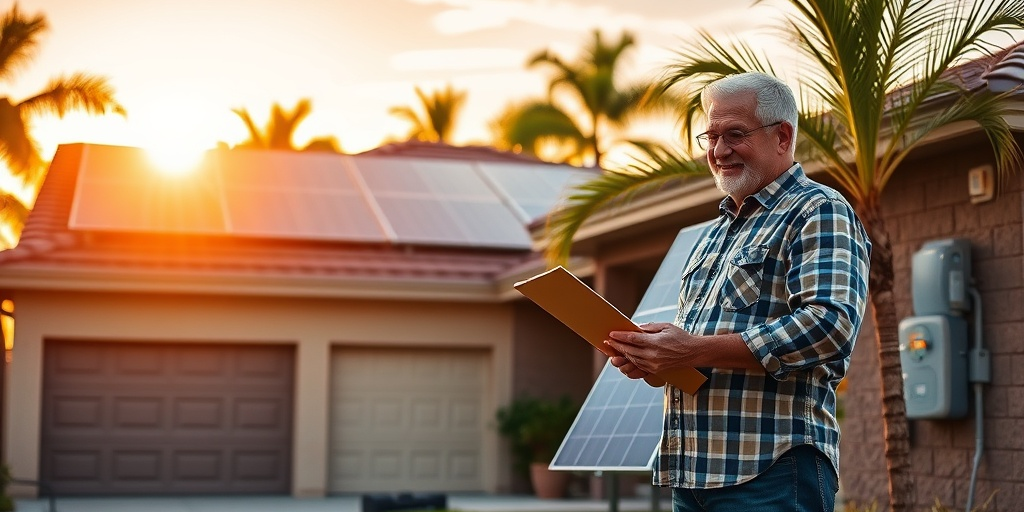
Did you know that over 96% of Florida homeowners now consider going solar as energy costs continue to rise? The urgency to switch to solar is palpable, especially as the state grapples with increasing electricity bills and climate change impacts. In particular, the decision to install a solar power system hinges not just on the panels, but significantly on choosing the right inverter. Understanding this critical component is essential for maximizing solar savings and ensuring your investment pays off. This post, titled Proven Insights on Choosing the Right Inverter for Solar Systems, is crafted specifically for Florida property owners like you who are eager to embrace solar in 2025. Whether you’re a homeowner or a commercial property owner, diving deeper into inverter technology will provide crucial insights as incentives and technologies evolve. Plus, this choice carries even greater weight in 2025, as the federal solar tax credit offers unprecedented financial benefits. In this comprehensive guide, we will explore five key sections: the importance of inverter choice through real-life stories, actionable steps to consider during your selection process, common myths surrounding inverters, a localized focus on Florida legislation and incentives, and a deep technical dive into how inverters affect your overall solar power system efficiency. Ready to illuminate this vital aspect of solar energy? Let’s get started!
The Essential Role of Inverters in Solar Energy Systems
When it comes to solar energy systems, one piece of technology takes center stage—the inverter. Think of it as the heart of your solar power system, converting direct current (DC) from your solar panels into alternating current (AC) that your household appliances can use. To illustrate this, let’s take a look at the experience of Jennifer, a Florida homeowner living in Orlando.
Recently, Jennifer decided to install a solar power system in her home, driven by her rising electric bills and a burgeoning interest in renewable energy. After searching extensively, she discovered that choosing the right inverter would ultimately impact her energy savings and the system’s overall efficiency. After consulting with Florida Electric & Solar, she learned that not all inverters are created equal. With multiple options available—string inverters, microinverters, and power optimizers—Jennifer’s quest for knowledge about these devices became vital.
- String Inverters: Most common and cost-effective, suitable for simple, straightforward installations.
- Microinverters: Ideal for roofs with shading issues, allowing for individual panel performance monitoring.
- Power Optimizers: Combine advantages of string and microinverters, enabling performance improvements and efficient monitoring.
After weighing her options, Jennifer chose a hybrid solution tailored to her unique roof layout. Not only did it optimize her energy production, but it also maximized her tax credits and rebates. According to the U.S. Department of Energy, homeowners can save up to 30% on installation costs with the federal solar tax credit (Energy.gov). Choices like Jennifer’s can significantly enhance the viability and sustainability of residential solar power in Florida.
As we delve deeper into the process of inverter selection, here are a few important considerations:
- Understand your energy consumption patterns.
- Assess your roof’s orientation and shading factors.
- Consider future energy production needs.
- Review warranties and performance guarantees.
- Evaluate potential integration with energy storage systems.
In Florida, homeowners benefit from regulations that encourage the adoption of solar technology, particularly with programs like the Property Tax Exemption for Solar Energy Systems. Furthermore, understanding the limitations of each inverter type can debunk myths surrounding solar systems. For instance, the belief that all solar inverters are interchangeable has led some homeowners to overlook key performance metrics, such as efficiency and reliability.
Myth #1: All inverters perform similarly.
This simply isn’t true. Microinverters can enhance performance where shading occurs, while string inverters are more cost-effective for straightforward installations. The inverter choice could mean the difference between underwhelming savings and noteworthy benefits.
Myth #2: Higher price means better performance.
Adjusting for warranties, features, and overall system compatibility can easily alter this perception. Florida’s unique weather conditions also necessitate a specific approach to inverter technologies.
Myth #3: Once installed, your inverter does not require maintenance.
While modern inverters are typically low-maintenance, keeping track of your inverter’s output and functionality can prevent issues down the line, ensuring maximum efficiency.
As we explore the various types of solar inverters available in the market, we’ll shed light on Florida-specific incentives that may influence your choice. For example, did you know that increasing numbers of Florida homeowners are opting for battery storage systems for their solar power setups? In tandem with choosing the right inverter, battery storage can capture excess energy for use during nights or cloudy days, addressing common concerns about solar reliability.
With so many options at your disposal, we’ll guide you through a practical checklist in our next section to help simplify your decision-making process. Ready to take the plunge into the world of solar inverters? Stay tuned!
Checklist for Choosing the Right Solar Inverter
Choosing the right inverter can seem daunting, especially when the stakes include your energy efficiency and your financial investment. Following a practical checklist will ease this overwhelming process and ensure confident decision-making. Let’s break this checklist down step-by-step.
- Step 1: Assess Your Energy Needs
Begin by analyzing your electric bill to identify your monthly energy consumption. Tools like the Home Energy Rating System (HERS) can help you understand your usage better. This will guide you in selecting an inverter with the capacity to meet your demands, particularly during the peak solar generation hours. - Step 2: Choose Your Inverter Type
Understand the three primary types of inverters: string, micro, and power optimizer. Along with your energy needs, consider factors such as your roof layout and shading conditions. If your roof has several obstructions casting shadows, a microinverter may be ideal. - Step 3: Evaluate Manufacturer Warranties
A good solar inverter typically comes with a warranty ranging from 5 to 25 years. Choosing a highly-rated brand and reviewing their warranty policies provides peace of mind, ensuring your investment is protected. - Step 4: Investigate Performance Ratings
Researching the efficiency ratings of different inverter models is essential. Opt for models that boast high efficiency (greater than 95%), as this increases how much energy you’ll get from your panels. Performance tests from organizations like the National Renewable Energy Laboratory provide solid benchmarks. - Step 5: Consult Professional Expertise
Connecting with certified solar specialists can offer invaluable guidance tailored to your unique situation. A skilled professional will help navigate available options while ensuring compliance with local regulations in Florida.
By adhering to this checklist, Florida homeowners can streamline their decision-making process while avoiding common pitfalls. Buying or installing solar systems in 2025 is not only about the panels; it’s equally about selecting the right inverter. Remember that your decision can lead to greater solar savings and contribute to a sustainable future—both financially and environmentally.
Ready to explore the community solar initiatives available in Florida that can complement your inverter choice? Our next section will delve into the myths surrounding solar inverters. Visit floridaelectricandsolar.com for more information.
Debunking Common Myths About Solar Inverters
The roadmap to solar adoption is laden with myths and misconceptions—especially concerning inverters! Understanding the truth behind these assertions can empower Florida homeowners to make informed decisions. Here are several myths surrounding solar inverters that need debunking:
Myth #1: You Need A Large Roof for Solar Panels
Many believe that a large roof area is a prerequisite for going solar. The reality is that advanced inverter technology, such as microinverters or power optimizers, allows you to install panels even in limited spaces. With state guidelines pushing for solar adoption, homeowners in Florida can install solar systems on smaller rooftops or even balconies.
Myth #2: Solar Is Too Expensive
While the upfront cost of solar can seem high, incentives like Florida’s Property Tax Exemption for Solar Energy Systems can significantly reduce overall expenses. Additionally, federal tax credits can compensate for a substantial portion of installation costs, making solar more affordable than ever (SEIA.org).
Myth #3: Solar Inverters Don’t Fail
Incompatibility, poor installations, and other underlying issues can lead to inverter failure. Proper maintenance and monitoring are essential to ensuring the longevity and performance of your solar system. It’s common for inverters to need replacing every 5 to 15 years, so keep track through monitoring systems.
Myth #4: Hiring a Professional Is Unnecessary
Many homeowners think they can DIY their solar system installation, but this can lead to costly mistakes. Solar installation requires in-depth knowledge of the systems in question, building codes, and local regulations. Always consult with licensed installers to ensure proper setup and greater efficiency.
Myth #5: All Inverters Are The Same
This couldn’t be further from the truth! Each inverter type has its unique advantages and disadvantages, making it essential to choose one that suits your specific needs. For instance, if you have a shaded roof area, microinverters may help optimize production, whereas string inverters might be the more cost-efficient choice for a sunny rooftop.
By debunking these myths, Florida homeowners can build confidence in their solar investments and make sound decisions about their energy futures. In our next section, we’ll dive into the practical aspects of solar technology, expanding on local-focused solutions that uniquely benefit homeowners in the Sunshine State.
Understanding Local Focus: Solar Legislation and Incentives in Florida
Florida’s landscape presents unique opportunities—and challenges—for solar technology enthusiasts. While investments in solar energy systems have increased dramatically in recent years, understanding local legislation and available incentives is crucial to ensuring successful installations. Here’s a snapshot of the many ways Florida empowers homeowners to adopt solar technology:
Policy Support: Florida has consistently led the nation in solar power growth, thanks in part to pro-solar policies. The state passes favorable legislation such as the Solar Energy Systems Investment Program, offering rebates to decrease costs for first-time buyers.
Tax Incentives: Homeowners are eligible for the federal Investment Tax Credit (ITC), which provides a 30% deduction on solar installation expenses. From 2022 to 2025, Florida residents can bundle this with state solar incentives, amplifying savings while encouraging a shift towards renewable energy (DSIREUSA.org).
Net Metering: The Game Change: Florida’s net metering program allows consumers to receive credit for surplus energy generated by their solar systems, ultimately reducing their electric bills. This creates a win-win situation for homeowners, ensuring greater savings while contributing energy back to the grid.
Community Solar Initiatives: For those who may not have suitable roofs for solar panel installations, community solar programs present a fantastic alternative. Homeowners can subscribe to nearby solar farms, enjoying solar energy without the upfront costs and maintenance typically associated with installation.
Resilience Standards: Florida’s coastal vulnerabilities necessitate the adoption of resilient energy solutions. By meeting state resilience standards, solar installations contribute to energy security, providing backup systems during hurricanes while maximizing efficiency. Installing inverters designed for extreme weather can jointly enhance your home’s resilience and solar energy productivity.
Florida is paving the way for renewable energy access through progressive policies that create pathways for homeowners. As we consider the next steps, we’ll turn toward a technical deep dive that explores the core of inverter technology and its functionality in residential solar systems.
Technical Deep-Dive: The Mechanics of Inverters
Understanding how your solar inverter functions can deepen your appreciation for this pivotal technology. This section will explore the technical mechanics of inverters, outlining how they integrate into your solar system and contribute to energy efficiency.
Essentially, inverters fulfill two critical functions:
- Power Conversion: Inverters convert the DC electricity generated by solar panels into usable AC electricity for appliances and the grid.
- System Monitoring: Many inverters come equipped with monitoring systems that provide real-time data on energy production, consumption, and system performance.
Each inverter technology operates slightly differently:
- String Inverters: These traditional inverters connect a string of solar panels together. While cost-effective, their performance can falter in shaded areas since the entire string is affected by the least productive panel.
- Microinverters: Installed on each panel, they optimize each unit’s output, ensuring that even if one panel is shaded, the others can still perform at peak efficiency.
- Power Optimizers: These devices combine some advantages of both microinverters and string inverters and enhance performance by managing voltage output and providing panel-level monitoring.
Understanding these types helps buyers tailor their selections to meet their unique needs. For example, if your roof is shaded by neighbor’s trees, microinverters or power optimizers are your best bets to mitigate any losses. Furthermore, efficiency ratings are crucial; the higher the inverter’s efficiency, the better your system will perform overall.
What else influences inverter performance? Temperature plays a significant role. In Florida’s hot climate, inverter efficiency can decrease as temperatures rise. Choosing inverters rated for higher operational temperatures can mitigate this effect, maintaining optimal performance and energy yield.
As solar technology continues to evolve alongside market conditions, innovations in inverter technology promise even more exciting developments in future energy solutions. In concluding this comprehensive exploration of inverters, we’ll outline practical next steps for Florida homeowners prepared to embark on their solar journey.
Next Steps for Florida Solar Buyers in 2025
Now that you’ve gained a wealth of knowledge about inverters and solar systems, it’s time to outline actionable steps for your solar journey! This guide ensures that you approach the purchase with confidence, informed by the latest insights and technical knowledge specific to Florida.
- Step 1: Audit Your Electric Bill
Start by analyzing your current energy usage. Note peak consumption times, and measure how much power you want your solar system to generate. This foundational step will pave the way for your inverter choice. - Step 2: Research Inverters and Brands
Dive into different inverter brands based on performance ratings and warranties. Seek brands known for reliability and efficiency. Don’t hesitate to access independent reviews and comparisons of inverter models. - Step 3: Consult Local Experts
At this step, reach out to local providers like Florida Electric & Solar. These experts can provide precise information about available product options based on Florida’s unique conditions and incentives. Their knowledge of local regulations is an invaluable asset. - Step 4: Assess Installation Options
Determine whether you’ll perform a DIY installation or hire professionals. Review state regulations that guide necessary permits or licenses for installation and ensure that contractors meet certification requirements. - Step 5: Evaluate Financing Strategies
Explore financing options that best fit your situation, from solar loans and leases to cash purchase scenarios. Investigate any local incentives that could enhance your affordability.
By following these steps, Florida homeowners can take command of their energy futures and empower themselves with sustainable solar solutions. The knowledge shared in this guide prepares you to make sound decisions that will lead to financial benefits and reduce your reliance on traditional electric sources.
In closing, choosing the right inverter for solar systems cannot be overstated. It is the key factor in optimizing your investment and harnessing the power of the sun in 2025. The virtual path is now paved for you to reclaim your energy independence in the Sunshine State!
Ready to start your solar journey in 2025? Connect with a certified expert at floridaelectricandsolar.com today.
Related Articles
More insights about Inverter

5 Critical Steps for Choosing the Right Inverter

7 Essential Tips for Choosing the Right Inverter

Technical Deep-Dive: Choosing the Right Inverter for Your Solar System
Ready to Go Solar?
Have questions about solar energy? Our experts are here to help you make the switch to clean, renewable energy.