
Solar Panel Installation Options for Florida Homeowners Explained
Share:
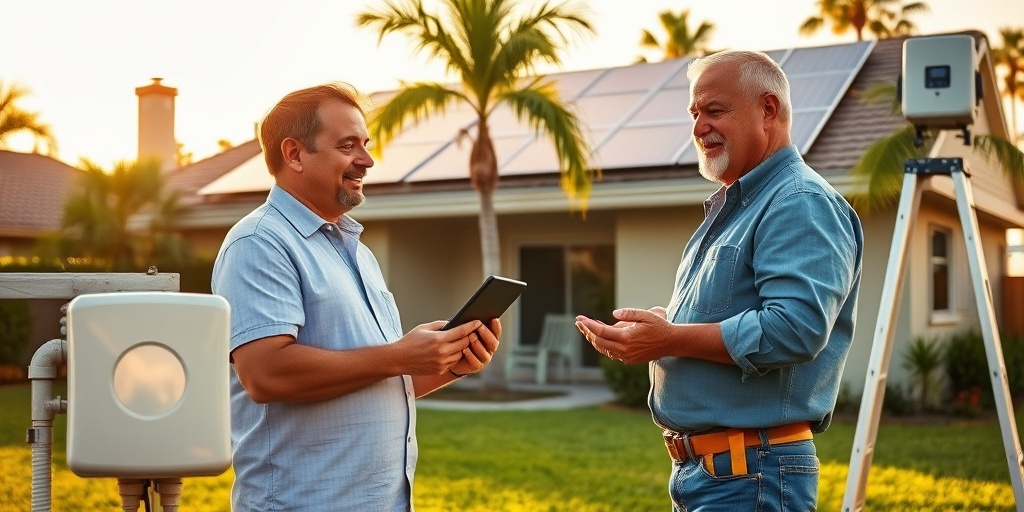
Florida has become a shining star in the realm of solar energy, standing at the forefront of the green energy revolution. Did you know that over 505,000 homes in Florida have already adopted solar solutions, with numbers expected to double by 2025? As a homeowner, this statistic should excite you, consider the staggering potential savings and environmental benefits. The title of this article, Solar Panel Installation Options for Florida Homeowners Explained, is an invitation to delve into options that can optimize your energy efficiency and, by extension, enhance your quality of life. With utility rates on the rise—expected to increase an average of 2.4% annually (EnergySage.com)—and the urgent need for sustainable energy solutions in our changing climate, your decision to go solar has never been more pressing. In this article, we will dissect the five essential aspects of solar panel installation particular to Florida homeowners. Here’s what you can expect to learn: the latest in solar technology, actionable steps for installation, prevalent myths surrounding solar energy, and best practices that will empower you to make informed decisions.
Understanding the Solar Revolution: A Florida Case Study
To comprehend why solar panel installation is the wave of the future in Florida, let’s take a closer look at a hypothetical yet relatable case study of the Martinez family, who live in the sunny outskirts of Tampa. The Martinez family, like many Floridians, faced an increasingly burdensome electricity bill, topping $300 monthly. Upon researching, they discovered solar panel technology and the significant savings it could provide. They approached Florida Electric & Solar for an initial consultation to understand their solar panel installation options.
The family opted to install a photovoltaic (PV) solar system on their roof, which not only allowed them to reduce their monthly expenses but also provided them with energy independence. Within the first year, the Martinez household saved approximately $1,500 on their electricity bill. They were able to sell excess power back to the grid due to Florida’s net metering policy, essentially allowing them to earn instead of just spend. This has been a growing trend; in fact, the latest data shows that Florida’s net metering policy has facilitated various households in generating hundreds of credits (SolarReviews.com).
Moreover, with the Federal Investment Tax Credit (ITC) enabling a tax reduction of up to 26% on the cost of a solar system, the Martinez family saw a return on their investment far sooner than they had expected. By choosing to go solar, they not only contributed to a healthier environment but also increased the value of their home.
There are common objections to solar panel installations, like high upfront costs or complicated installations. But with accurate information and a solid plan, the benefits of making the switch can be immense.
Before you embark on your solar journey, consider the following checklist for successful panel installation:
- Step 1: Assess your energy needs. Understand your current energy consumption by reviewing your utility bills.
- Step 2: Research financial options. Explore available incentives and financing to lessen the initial investment.
- Step 3: Choose a reputable solar provider to receive a comprehensive consultation.
- Step 4: Understand your property’s potential solar exposure—this can often be optimized with proper placement.
- Step 5: Regularly monitor your system’s performance post-installation to ensure optimal efficiency.
This case study emphasizes the tangible differences solar energy can make for Florida homeowners. By investing in solar, families like the Martinezes can embrace energy independence while simultaneously contributing to a sustainable future. Transitioning to solar power isn’t just about green energy; it’s about green savings. The urgency to act in 2025 is clear, especially with studies indicating that for every megawatt of solar added, almost 4 jobs can be created within the local economy (SEIA.org).
Myth-Busting Solar Energy in Florida
Misconceptions about solar energy can hinder Florida homeowners from fully embracing this revolutionary shift. Let’s delve into some of the most prevalent myths and dispel them.
- Myth #1: Solar panels won’t work in cloudy or rainy weather.
While clear skies are ideal, solar panels can still generate electricity in overcast conditions. In Florida, the abundant sunlight means you still receive significant solar energy even on less than sunny days. - Myth #2: Solar energy is too expensive.
When you factor in federal and local incentives, the actual cost of solar often drops significantly. With financing options available, many homeowners find their solar payments lower than their prior utility bills. - Myth #3: Solar installations usually require a lot of maintenance.
Once installed, solar systems require minimal maintenance. Regular inspections and occasional cleaning are typically all that’s necessary to keep your system running smoothly. - Myth #4: You must own your home to go solar.
There are options for renters and condominium owners, such as community solar programs that allow participation without needing ownership. - Myth #5: Solar energy provides no return on investment.
The financial returns on solar energy can be substantial, with homeowners in Florida saving thousands over the life of their system, especially considering rising electricity rates.
Addressing these myths can empower Florida homeowners to rethink their approach to renewable energy. It brings clarity and dispels the fear often associated with making the transition to solar energy. Knowledge is power, and understanding the facts can lead to more informed decisions about your energy future.
When considering solar installations in Florida, the clarity provided by past experiences and emerging data will make a significant difference in curating the right approach for your home. Now let’s explore the technical aspects that you should know about solar installations, including basic components and billing insights.
Technical Deep-Dive: Understanding Your Solar System
Navigating the technical landscape of solar energy can be daunting, but understanding the essentials is crucial for Florida homeowners looking to invest in solar power. A standard solar panel installation involves three significant components: solar panels, inverters, and battery storage options.
Solar Panels
Solar panels are the most visible parts of your system. These panels utilize photovoltaics to convert sunlight into electricity. When selecting panels for your home, consider their efficiency ratings—typical residential panels range from 250W to 400W each. Florida’s intense sun necessitates high-grade panels to maximize output.
Inverters
Inverters are essential for converting the direct current (DC) produced by your solar panels into alternating current (AC), which is what your home appliances use. String inverters, microinverters, and power optimizers are the three main types, with microinverters generally proving to be more efficient for residential setups.
Battery Storage
Battery storage options, such as the Tesla Powerwall or LG Chem, allow homeowners to store excess energy generated during sunny days for use during nights or cloudy weather conditions. This can be particularly useful given Florida’s tropical storms or hurricanes, ensuring a reliable energy source even during outages.
- Billing Structures
Understanding your billing structure is equally important. Net metering allows you to receive credit for the excess power your system produces, offsetting your future electricity bills. Floridians can benefit from a robust net metering policy, which means that the more energy you produce, the more you save. - State Incentives
Florida homeowners can take advantage of various state incentives. These may include sales tax exemptions on solar equipment and property tax exemptions for solar systems, significantly reducing your overall cost. - Maintenance and Monitoring
While solar panels require limited maintenance, staying on top of their performance is crucial. Homeowners can take advantage of monitoring systems that provide real-time data, alerting them to any performance issues and ensuring they are getting the most from their investment.
This technical understanding lays the foundation for informed decisions when investing in solar energy. It’s incredible how much impact these systems can have in terms of energy savings and environmental responsibility. As we transition into the practical realm, let’s delve into best practices and expert tips for ensuring a seamless solar installation experience.
5 Expert Solar Installation Tips for 2025
As you weigh your options and stand on the precipice of your solar journey in 2025, consider these expert tips to ensure a successful installation:
- Choose Quality Solar Equipment
Don’t compromise on the quality of solar panels and inverters. Invest in reputable brands that offer excellent efficiency and warranties. Lower quality can lead to reduced performance and higher repair costs in the long run. - Optimize Panel Placement
Ensure the panels are positioned to receive maximum sunlight exposure. Working with a reputable solar provider can help determine ideal locations to avoid obstacles like trees or your own roof’s design. - Understand Long-Term Financial Implications
Conduct a total cost analysis that includes maintenance, potential increases in utility costs, and upcoming solar incentives. Understanding the entire financial picture will help align your expectations with reality. - Stay Informed about Incentives
Keep abreast of changes in solar incentives and tax credits in Florida. New legislation and programs may become available that can significantly impact your solar investment. - Prepare for Post-Installation Monitoring
Once installed, ensure you have a monitoring system in place to track your solar production. Doing this can help catch performance issues early and maximize your energy production for savings.
These expert tips will create a framework for making wiser choices as you embark on your solar journey. Adapting to changes within the solar world, understanding the technology, and working with experts will all contribute to achieving a successful energy solution that benefits not only you but our planet as a whole.
Next Steps for Florida Solar Buyers in 2025
Now that you’ve absorbed crucial insights about solar panel installations, what are your next steps as a potential solar buyer in Florida?
- Step 1: Audit Your Electric Bill
Review your current energy costs to take stock of how much you will potentially save with solar. Make a note of your average monthly usage, which will aid in determining the size of your system. - Step 2: Research Local Solar Companies
Find reputable solar providers in your area. Check reviews, ask for quotes, and compare bids before making your decision. - Step 3: Schedule a Consultation
Many companies like Florida Electric & Solar offer free consultations. During this meeting, a knowledgeable consultant can assess your home and provide guidance tailored to your needs. - Step 4: Financial Planning
Investigate available financing options. Whether it’s cash purchase, loans, or leasing, ensure you understand the long-term implications of each choice. - Step 5: Installation & Regular Monitoring
Finally, schedule your installation date and ensure you have a plan for monitoring your system’s performance post-installation.
Following these steps will pave the way for a smoother transition to solar. Remember, knowledge is your greatest ally in this process. Embrace the opportunity to take charge of your energy future.
As we conclude this comprehensive exploration of solar energy benefits, installation options, and overall solar insights for Florida homeowners, it’s crucial to remember that this decision is not merely about energy costs or equipment installations; it’s about securing a sustainable and financially sound future for your family.
With solar energy, you’re not just eliminating utility bills; you are investing in a cleaner environment for future generations. The urgency to act on adopting solar solutions increases with each passing year as utility rates and environmental concerns rise. You have the power to transform your energy consumption and create a positive ripple effect in your community.
Ready to start your solar journey in 2025? Connect with a certified expert at floridaelectricandsolar.com today.
Related Articles
More insights about Solar Panel

Florida Homeowners: Why Solar Panel Maintenance Is Essential

7 Essential Steps for Solar Panel Installation Success

Expert Insights: Key Factors Influencing Solar Panel Lifespan
Ready to Go Solar?
Have questions about solar energy? Our experts are here to help you make the switch to clean, renewable energy.