
Solar Panel Installation Tips for Florida Homeowners in 2024
Share:
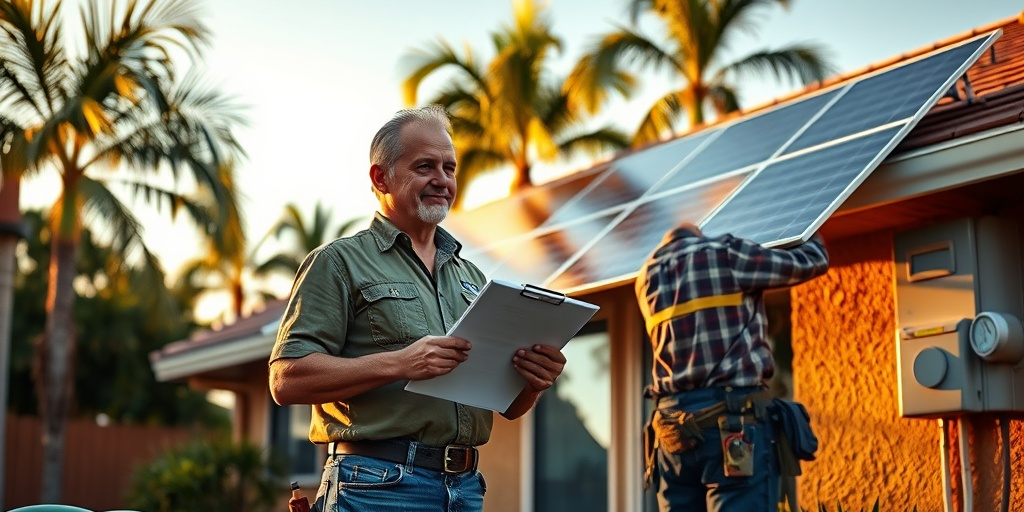
As Florida homeowners look to 2024 and beyond, many are considering the transformative benefits of solar power. With rising energy costs, the need for sustainable energy solutions is more pressing than ever. Did you know that over 20% of Florida households are already utilizing solar energy? This statistic speaks volumes about the increasing adoption of solar systems in the Sunshine State (SEIA.org). Furthermore, solar panel installation prices have dropped by nearly 35% over the last decade, making 2024 an excellent time to invest, capitalize on state incentives, and take control of your electricity bills (SolarReviews.com). This comprehensive guide, titled Solar Panel Installation Tips for Florida Homeowners in 2024, aims to equip you with essential tips, strategies, and local insights to navigate solar installation and maximize your savings. In this article, we’ll delve into critical factors impacting solar adoption, including financial incentives, installation logistics, and local policies, propelling you towards an informed decision in the burgeoning landscape of solar energy. As we journey through this essential content, you’ll explore five key sections that will prepare you for a successful transition to solar power in 2024:
- An engaging case study detailing a Florida homeowner’s transition to solar energy.
- A practical checklist of steps to ensure a smooth installation process.
- Myth-busting common misconceptions about solar power.
- A focused look at Florida-specific benefits related to solar energy.
- A comprehensive technical deep-dive into solar panels and systems.
Understanding these topics is especially urgent in 2025. Rising energy costs, new solar incentives, and increased grid instability necessitate a proactive approach to energy management. Join us as we break down everything you need to know to maximize the benefits of solar energy in your life.
Real Stories: A Florida Homeowner’s Solar Journey
Meet the Rodriguez family of Orlando, who made the courageous decision to go solar in 2024. After receiving their monthly electric bill and realizing that they were paying upwards of $250 a month, they decided it was time for a change. They were tired of watching their hard-earned money disappear with each utility payment. They began to educate themselves on solar power, discovering that the average Floridian homeowner saves around $1,000 annually with solar energy (Energy.gov). This realization was a lightbulb moment, igniting their passion for renewable energy.
After extensive research, they settled on Florida Electric & Solar for their installation, drawn by glowing reviews and a strong presence in their local community. The company provided them with a clear installment process, helping them navigate the various financial incentives available in Florida—like the Federal Investment Tax Credit, which allows homeowners to deduct up to 26% of the cost of their solar panel systems from their federal taxes (DSIREUSA.org).
Here’s a checklist of steps they followed for their installation:
- Research Local Solar Providers: They compared several installers and read customer reviews.
- Assess Solar Needs: They reviewed their power consumption and calculated potential savings.
- Check for Incentives: They explored local, state, and federal tax credits and rebates.
- Get Multiple Quotes: They obtained several estimates to ensure competitive pricing.
- Schedule Your Installation: They set a date that worked best for their family.
By following this checklist, the Rodriguez family ensured a seamless installation process. Their solar panels were installed within just one day, and they can now produce clean, renewable energy from their rooftop. The electricity bill reduced dramatically, and they’ve started to see monthly savings. The satisfaction of reducing their carbon footprint and contributing to a cleaner environment has also added an emotional benefit to their investment.
Myth #1: Solar Panels Only Work in Sunny Weather. Many believe that solar panels need direct sunlight to be effective. In reality, they can still generate electricity on cloudy days—though at lower efficiencies. Florida’s abundant sunshine means an optimal installation environment regardless of daily variability.
Myth #2: Solar Is Too Expensive. While upfront costs can seem high, with incentives and financing options, the long-term savings often far outweigh the initial investment. Plus, the trend shows declining costs over time.
Myth #3: Solar Panel Maintenance Is Complicated. Contrary to popular belief, solar systems generally require minimal upkeep. Occasional cleaning and periodic checks by a professional are usually sufficient to ensure optimal performance.
Florida homeowners have unique advantages when it comes to going solar. For example, the state leads the nation in solar installations per capita, reflecting its citizens’ commitment to renewable energy (SEIA.org). Additionally, Florida’s net metering policy ensures that homeowners are compensated for the surplus energy they feed back into the grid, effectively lowering their electricity bills even further by earning credits.
As the Rodriguez family’s success story illustrates, going solar isn’t just a financial decision—it’s a meaningful choice toward a sustainable future. Whether for personal satisfaction, the environment, or financial gain, the time to act is now.
Essential Steps for Installing Solar Panels in Florida
Starting your solar journey requires clear direction. Transitioning to solar energy in 2024 can feel daunting, but following these essential steps will ease the process.
- Step 1: Audit Your Electric Bill. Before diving into solar options, review your electric bill to understand your monthly peak usage and costs. This will guide your system size and savings projections.
- Step 2: Research Local Incentives. Florida offers a wealth of tax credits and rebates, making solar more accessible. Research these programs to maximize your savings and streamline your costs.
- Step 3: Choose a Reputable Installer. Find a Florida solar provider with a proven track record. Look for certifications and customer testimonials, and ensure they have experience with local policies and regulations.
- Step 4: Obtain Multiple Quotes. The solar market is competitive. Obtain quotes from at least three installers to understand your options and negotiate better rates.
- Step 5: Finalize Financing Options. Explore financing options that fit your budget, including solar loans, leases, and power purchase agreements.
By following this structured checklist, you’ll lay the groundwork for a successful solar installation. Working with local experts like floridaelectricandsolar.com will enhance your understanding and streamline the process, ensuring you tap into the unique incentives specific to Florida homeowners.
5 Common Myths About Solar Energy
The road to solar adoption is often paved with misconceptions. Let’s debunk some common myths that might be holding you back from considering solar power.
- Myth #1: I Can’t Afford Solar Panels. Many homeowners overlook financing options that reduce overall costs. With various programs available, affordable home solar installation is within reach.
- Myth #2: My Roof Isn’t Suitable for Solar Panels. Florida’s diverse architecture allows for innovative installation solutions. Even if you have a shaded roof, solar arrays can still be effective when positioned correctly.
- Myth #3: Solar Panels Decrease Property Value. Studies show that solar installations can enhance property value by making homes more attractive to potential buyers (Marvin.com).
- Myth #4: Solar Energy Isn’t Efficient. With modern technology, many solar panels boast efficiencies over 20%, making them a viable option for energy needs in Florida.
- Myth #5: It’s Too Complicated to Install Solar. While logistics might seem overwhelming, partnering with established local installers simplifies the process. They handle permitting and installation, making the transition smooth.
Addressing these misconceptions builds confidence among Florida homeowners considering the switch to solar energy. Demystifying the myths enables you to better recognize the long-term benefits and wide-scale advantages of adopting solar technology for your home.
Next Steps for Florida Solar Buyers in 2025
Are you ready to make the leap into solar energy? Here’s a quick action plan to guide you through the next steps:
- Step 1: Conduct a Comprehensive Energy Audit. Review monthly bills and calculate your average energy use. This data will help determine the appropriate system size for your needs.
- Step 2: Assess Your Roof. Ensure your roof is in good condition and suitable for solar panels. Look for shading issues or other obstacles that might affect performance.
- Step 3: Compare Solar Options. Evaluate various solar panel brands and systems. Some may offer better long-term warranties or higher efficiencies than others.
- Step 4: Explore Financing. Investigate multiple financing solutions—loans, leases, and PPAs. Determine which option aligns with your budget and objectives.
- Step 5: Choose Your Installer. Finalize your decision by selecting a trusted local installer. Ensure alignment with your goals for customer service, expertise, and reliability.
These steps break down the process to help reduce friction as you embark on your solar journey. Working with knowledgeable experts can provide valuable insights tailored to Florida homeowners’ unique needs, ensuring a smoother transition to sustainable energy (floridaelectricandsolar.com).
In conclusion, transitioning to solar energy is more than just a financial decision; it’s a commitment to sustainable living and energy independence. The Rodriguez family’s experience illustrates that with proper planning, education, and support, the solar installation process can be seamless and rewarding. By embracing solar energy in 2024, you’re not only creating significant savings on electric bills, but also contributing to a healthier planet for the next generations.
As you educationally navigate what could seem daunting, remember the essential steps outlined in this guide. The increasing opportunities presented by local incentives, technological advancements, and a supportive installation community make now the perfect time to adopt solar power. Your roof is more than a structure; it’s a platform to harness the sun’s energy and reclaim control over your power consumption.
Ready to start your solar journey in 2025? Connect with a certified expert at floridaelectricandsolar.com today.
Related Articles
More insights about Solar Panel

Florida Homeowners: Why Solar Panel Maintenance Is Essential

7 Essential Steps for Solar Panel Installation Success

Expert Insights: Key Factors Influencing Solar Panel Lifespan
Ready to Go Solar?
Have questions about solar energy? Our experts are here to help you make the switch to clean, renewable energy.