
Understanding Solar Panel Lifespan: A Technical Deep-Dive
Share:
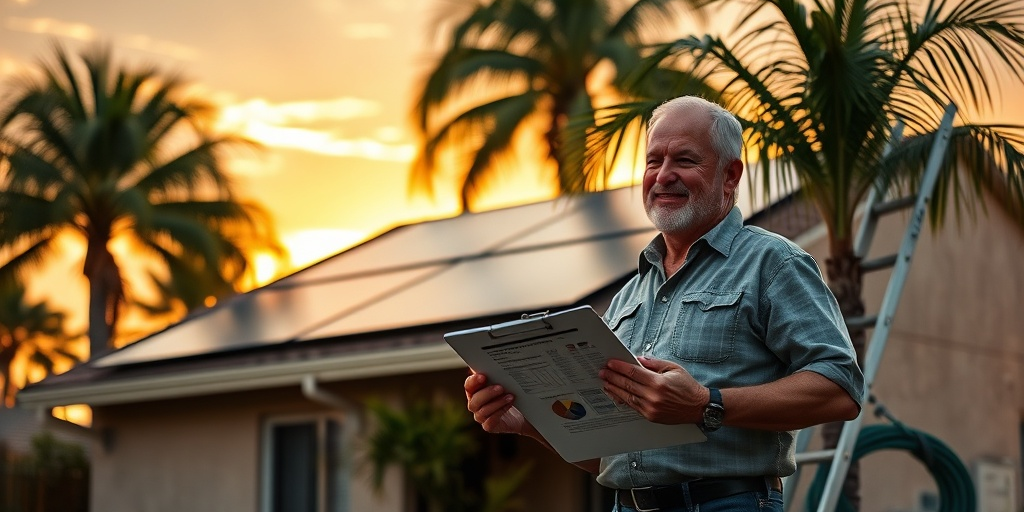
Did you know that the average lifespan of a solar panel is approximately 25 to 30 years? This is a bold statistic that underscores the critical consideration of longevity when investing in solar energy systems. As Florida homeowners and commercial property owners continue to explore renewable energy options, understanding the intricacies of solar panel lifespan becomes crucial. In our blog titled “Understanding Solar Panel Lifespan: A Technical Deep-Dive,” we will examine how various factors, including maintenance, installation quality, and environmental conditions, impact the efficiency and performance longevity of solar panels. The urgency for this discussion in 2025 cannot be overstated; as energy costs continue to rise and new solar incentives emerge post-2022, the transition to solar energy represents a timely opportunity for Floridians to not just reduce electricity expenses but also to contribute positively to the environment (Energy.gov). Moreover, Florida ranks third in the U.S. for installed solar capacity, making the topic of solar panel longevity particularly relevant to its residents (SEIA.org). In this article, we’ll explore the impact of solar panel technology, industry standards, and best practices in five detailed sections, guiding you through the necessary steps to maximize your solar investment and sustainability goals.
The Lifespan of Solar Panels and What It Means for You
When investing in an asset intended to last for decades, understanding the factors affecting its longevity is essential. Solar panels are designed to withstand various environmental stresses, yet not all systems perform equally over time. Consider the experience of a Florida homeowner, Sarah, who made the switch to solar energy in 2021. Initially drawn to the promise of reduced electric bills and energy independence, Sarah later discovered that her choice of installation, along with routine maintenance, would significantly influence her system’s efficiency and effectiveness.
- Case Study: Sarah’s Experience – Sarah’s system included premium solar panels with a 25-year warranty. However, she quickly learned that regular cleaning and inspections to ensure panel performance were crucial. When her panels suffered from debris buildup after a hurricane, she noticed a drop in efficiency. Sarah’s story is a tangible reminder that longevity goes beyond mere lifespan; it encapsulates proactive care.
- Checklist of Factors Influencing Lifespan – Here are five actionable items to encompass when evaluating solar panel lifespan:
- Step 1: Choose high-quality panels from reputable manufacturers.
- Step 2: Ensure precise installation by certified professionals.
- Step 3: Implement periodic maintenance and cleaning schedules.
- Step 4: Be mindful of local environmental conditions and weather patterns.
- Step 5: Evaluate energy storage options for optimized efficiency.
- Myth-Buster: Common Misconceptions
- Myth #1: All solar panels are created equal. Reality: Different brands offer varying quality, efficiency, and warranties that can impact overall lifespan.
- Myth #2: Solar panels cannot generate power in cloudy weather. Reality: Panels can still produce energy even when light conditions are less than ideal, although efficiency may be affected.
- Myth #3: Once installed, solar panels require no maintenance. Reality: Like any mechanical system, solar panels benefit from regular maintenance to ensure optimal performance.
- Local Focus – In Florida, the climate can have significant effects on solar systems. Humidity and the potential for hurricanes introduce unique challenges for maintenance and installation that must be factored in. Regular cleaning after storms can help prevent a drop in energy output.
- Technical Deep-Dive: Analyzing Panel Composition – Solar panels have various components, including photovoltaic cells, glass enclosures, and backing layers, that all play a paramount role in their longevity. Understanding how these elements contribute to performance can inform purchasing decisions and maintenance practices. For example, high-quality photovoltaic cells may yield better energy efficiency over time, ultimately adding to the panel’s lifespan.
As we analyze these factors, it’s clear that a proactive approach to solar power can enable better savings and overall satisfaction. Transitioning to solar energy comes with its own set of challenges, but awareness of these will set you on the right path.
Understanding the Role of Maintenance in Enhancing Solar Panel Lifespan
Maintaining your solar energy system is not just about keeping it neat; it’s a direct contributor to its performance and longevity. By implementing effective maintenance protocols, Florida homeowners can maximize their solar investment and extend the lifespan of their systems.
- Invest in Regular Inspections – Schedule annual inspections with a professional to assess the condition of your panels. Regular assessments allow for early detection of any performance issues, such as wear and tear, or erosion from environmental factors. Data indicates that routine inspections can improve panel performance by 15% (NREL.gov).
- Clean Your Panels – Dust, dirt, and debris can accumulate on solar panels, leading to decreased efficiency. Annual cleaning and specific attention after storms are recommended to ensure peak performance. As a Florida homeowner, be aware of local tree coverage and seasonal pollen counts that may affect cleanliness.
- Monitor System Performance – Use smart monitoring tools to track your solar panel performance closely. Monitoring applications can provide real-time updates on energy production, alerting users to declines that could indicate maintenance needs (SolarReviews.com).
- Ensure Proper Installation – Ensure that your solar panel system was installed by certified professionals familiar with Florida residences. Improper installation can damage components and reduce efficiency over time.
- Adapt to Environmental Conditions – Florida’s unique climate requires consideration. Heavy rains, humidity, and even hurricanes can affect installation, making routine checks necessary. Mitigating these environmental impacts can have long-term benefits on your panels’ lifespan.
Taking ownership of these maintenance tasks can transform the typical lifespan of solar panels from a simple number into a tangible, effective reality. Integrating rigorous protocols and consistent monitoring can prolong the usability of your solar system, ensuring it serves you well into its anticipated lifespan. For ongoing resources about solar maintenance best practices, visit floridaelectricandsolar.com.
5 Expert Solar Installation Tips for 2025
Investing in solar energy in 2025 is a significant opportunity, but focusing on the installation process can yield benefits that last well beyond efficiency. Here are five expert tips tailored to Florida homeowners to ensure a successful solar panel installation:
- Don’t Skimp on Quality – Opt for high-quality panels and equipment. While it may be tempting to choose the cheapest option, investing in more reliable systems can enhance longevity and performance.
- Plan for Optimal Placement – Strategically position your solar panels to maximize sun exposure. Avoid shade from trees or buildings, particularly during peak sunlight hours. Orientation and tilt can also significantly impact energy production.
- Work with Certified Professionals – Ensure that your installation team possesses adequate skills and certifications relevant to the unique conditions in Florida. Experienced installers can foresee and address challenges associated with local weather and geographic issues.
- Evaluate Energy Storage Options – Consider investing in battery storage systems to complement your solar energy production. This approach not only maximizes savings but also enhances overall system efficiency over time.
- Seek out Local Incentives – Research state and federal incentives, such as tax credits and rebates specific to Florida homeowners. In 2025, new policies may further encourage energy independence, creating additional savings opportunities.
By adhering to these installation tips, you’re not only ensuring a successful implementation of your solar energy system but also enhancing its long-term viability. Thorough planning during installation contributes significantly to a solar panel’s overall lifespan and efficiency over the years ahead.
An Emotional Journey into Solar Energy Adoption
Meet the Ramirez family, who embarked on their solar energy journey in 2023. Living in Orlando, their monthly energy costs consistently exceeded $200, which led Juan and Maria Ramirez to consider a more sustainable alternative. Excited about the potential savings and environmental benefits, they took the leap into solar energy. Their experience illuminates the advantages of understanding solar panel longevity.
- After careful research, the Ramirez family selected a reputable local solar provider specializing in solar energy systems for Florida homes.
- They invested in high-performance solar panels with an anticipated lifespan of 30 years, backed by a robust warranty.
- After installation, they were educated about routine maintenance practices and the significance of cleaning their panels, especially following rain showers or storms.
- The family eagerly monitored their energy output via a smart app, marveling at how their electricity bills plummeted from $230 to just $50 per month.
However, a severe rainstorm threatened their new investment. Afterward, the Ramirez family noticed an unusual drop in energy production. Following their installation team’s advice, they immediately cleaned their solar panels. Within days, their output stabilized. This lesson in proactive maintenance reinforced the importance of ownership and regular engagement in monitoring their system. The Ramirez family’s story emphasizes that solar is not merely about installation; it’s an ongoing commitment to maximizing investment for decades.
Next Steps for Florida Solar Buyers in 2025
Looking ahead to 2025, if you are considering joining the solar energy movement, there are specific steps to ensure a smooth and beneficial experience as a Florida homeowner. Here’s a concise action plan to guide your decisions:
- Step 1: Audit Your Electric Bill – Review your utility bills from the past year to gauge energy consumption and costs. Evaluating this data will better enable you to choose the right system size to meet your energy needs.
- Step 2: Research Reputable Installers – Look for certified, experienced solar installation companies in Florida. Seek recommendations, read reviews, and ensure they have a strong track record in your area.
- Step 3: Explore Financing Options – Investigate various financing plans that suit your budget, whether cash purchases, loans, or leases. Compare them to determine the most advantageous choice for your unique situation.
- Step 4: Understand Local Incentives – Research updated tax incentives, rebates, and grants available in Florida. Discover how these can further your financial benefits when installing solar energy systems.
- Step 5: Create a Maintenance Plan – Develop a plan for routine inspections and cleaning; consider enlisting a professional. Proactive measures will prove invaluable as you maximize energy output and lifespan.
Taking these steps ensures a well-informed journey toward solar energy adoption, positioning you to achieve long-term savings, independence, and sustainability. As you navigate this process, look to floridaelectricandsolar.com for resources and support tailored to Florida’s unique solar needs.
Conclusion: Your Solar Future Awaits
As we draw this technical deep-dive to a close, let’s reflect on the journey you’ve undertaken in understanding solar panel lifespan—a vital consideration for any prospective solar energy adopter. By understanding the narrative behind solar panel performance, from installation practices to ongoing maintenance, you arm yourself with the knowledge needed to confidently invest in renewable energy. The urgency of making informed decisions regarding solar energy has never been more significant, especially with rising energy costs and new incentives emerging in 2025. Thus, this pivotal choice not only influences immediate savings; it shapes a more sustainable future for you and your family.
Ready to start your solar journey in 2025? Connect with a certified expert at floridaelectricandsolar.com today.
Related Articles
More insights about Solar Panel

Florida Homeowners: Why Solar Panel Maintenance Is Essential

7 Essential Steps for Solar Panel Installation Success

Expert Insights: Key Factors Influencing Solar Panel Lifespan
Ready to Go Solar?
Have questions about solar energy? Our experts are here to help you make the switch to clean, renewable energy.