
Understanding Solar Panel Lifespan: What Every Florida Homeowner Should Know
Share:
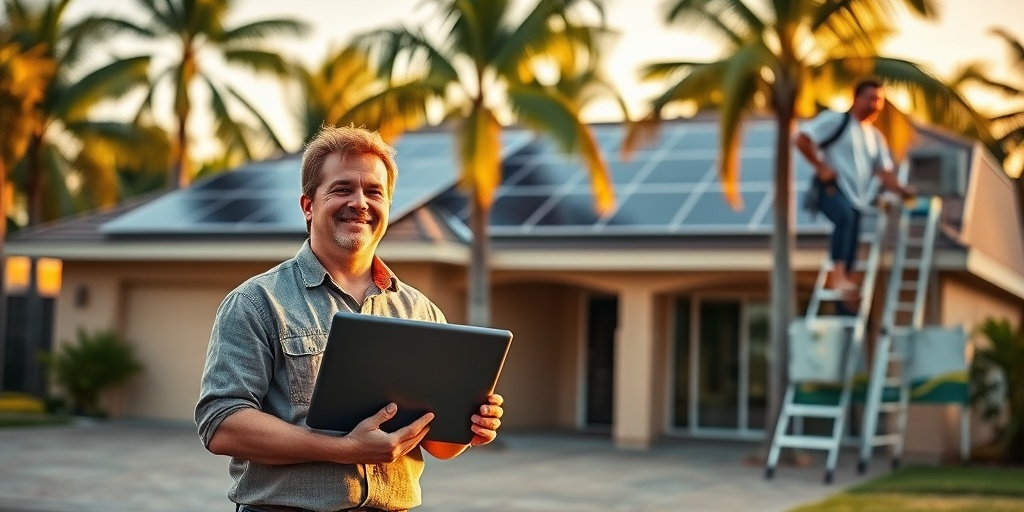
Did you know that solar panels can last more than 25 years? This impressive lifespan is one of the many reasons homeowners in Florida are increasingly considering solar energy as a viable solution to combat rising energy costs and embrace sustainable living. However, the longevity and performance of these solar panels depend significantly on various factors like material quality, installation practices, and environmental conditions. In our article titled Understanding Solar Panel Lifespan: What Every Florida Homeowner Should Know, we’ll delve deep into the vital aspects of solar panel longevity and its impact on energy savings. It is reported that the average Florida homeowner can save over $20,000 on electricity bills over the lifespan of their solar panel system (SolarReviews.com). With the looming electricity price increases and new solar incentives set to roll out in 2025, this information becomes increasingly urgent.
In this comprehensive guide, we will explore the following five sections:
1. **Deep Dive into Solar Panel Technology and Lifespan**
2. **Critical Steps to Maximizing Solar Panel Longevity**
3. **Debunking Common Solar Myths**
4. **Understanding Local Solar Data and Policies in Florida**
5. **Concrete Steps for Florida Homeowners in 2025**
Let’s uncover all that you need to know about solar panel lifespans and ensure you can maximize your utility bill savings today!
Exploring the Longevity of Solar Panels: A Closer Look
Solar panels don’t just harness sunlight; they do so efficiently for decades, given the right initial setup and care. Imagine residing in sunny Florida, where the sun shines an average of 237 days per year (Energy.gov), and investing in a solar energy system that would yield daily savings on your utility bills for 25 years or more. Jennifer, a homeowner in Orlando, recently made this journey. Initially skeptical, she decided to make the switch to solar, compelled by the rising costs of electricity and the attractive tax incentives. Three years into her solar installation, she enjoys not only significant savings—reportedly over $6,500 a year—but also remarkable peace of mind knowing she’s contributing to environmental sustainability.
For Jennifer, understanding the factors that influence solar panel longevity was critical. Various components, such as solar panels, inverters, and batteries, all play a role in the overall life expectancy of the system. According to the National Renewable Energy Laboratory (NREL), the average lifespan of solar panels ranges from 25 to 30 years, with most manufacturers offering warranties that extend up to 25 years. This gives homeowners an expectation of reliable performance throughout the lifespan of their investment. However, certain variables can affect this longevity.
To maximize your investment and capitalize on potential savings, consider these important factors:
- Quality of Materials: Choose high-efficiency solar panels from reputable manufacturers.
- Professional Installation: Engaging certified solar installers ensures proper setup and adherence to local codes.
- Regular Maintenance: Routine inspections and cleaning can significantly reduce wear and tear.
Now that we’ve set the stage with some key factors, let’s delve into actionable steps that can help maximize the lifespan of solar panels, particularly for Florida homeowners.
Maximizing Solar Panel Lifespan: Essential Steps
Taking proactive measures is crucial for homeowners aiming to extend the lifespan of their solar panels. The following checklist highlights five essential steps that you can adopt:
- Step 1: Select High-Quality Equipment
Investing in top-notch solar panels and components may seem costly upfront, but cheaper options often lead to higher maintenance costs over time. Look for panels with high efficiency ratings and long warranties. - Step 2: Ensure Expert Installation
Poor installation can lead to various problems, including water leaks or inefficient energy conversion. Opt for certified professionals who have solid reputations and experience in Florida’s unique climate and regulations. - Step 3: Regular Cleaning and Maintenance
Dust, leaves, and debris can obstruct sunlight and affect energy production. Schedule routine cleaners or learn to clean the panels yourself—it’s a simple but effective way to maintain optimal performance. - Step 4: Monitor System Performance
Use solar monitoring software to track energy production daily. Anomalies can signal issues that require immediate attention, ensuring that your system continues to operate at peak efficiency. - Step 5: Understand Local Regulations
Florida has specific laws and incentives regarding solar energy, such as the Property Tax Exemption for solar energy systems. Understanding these can help you enhance storage and optimize returns on investment.
By implementing these crucial steps, Florida homeowners can significantly enhance the longevity and effectiveness of their solar systems, leading to better long-term savings and cleaner energy production.
Myth-Busting Common Misconceptions About Solar Panels
The overwhelming benefits of solar energy can sometimes be hindered by misconceptions. In this section, we’ll debunk common myths surrounding solar panel lifespan and performance.
- Myth #1: Solar Panels Are Too Expensive
While initial costs may seem high, the long-term savings from reduced energy bills can significantly outweigh the upfront investment. With state incentives and financing options, many households see a return on investment within 5-7 years. - Myth #2: Solar Panels Only Work in Sunny Weather
Solar panels continue to generate power even on cloudy days. In fact, they can produce up to 25% of their potential output under cloudy conditions (NREL.gov). - Myth #3: Solar Panels Require Constant Maintenance
Modern solar panels are built to withstand harsh conditions. Basic cleaning and periodic checks are usually sufficient to keep the system operating well. - Myth #4: Solar Panel Lifespan Is Less Than 10 Years
Most solar panels today are rated for 25 years, with many lasting even longer. They are designed to be durable and reliable to meet long-term energy needs. - Myth #5: I Can Install Solar Panels Myself
Home installations are risky. Poor installation can lead to inefficiency, safety hazards, and violation of local codes. Professional installers not only guarantee reliable operation but also provide necessary warranties.
Dispersing these myths is essential for homeowners to make informed decisions about solar investment. As the technology evolves and incentives improve, understanding these truths equips Florida homeowners to navigate the world of solar energy confidently.
Florida-Specific Solar Insights: Policies and Rates
Florida’s solar landscape evolves rapidly, showcasing incredible potential for both residential and commercial solar energy adoption. By understanding local policies, homeowners can maximize their solar investment. As an example, the Solar Energy Systems Exemption, which allows homeowners to claim property tax exemptions on solar system installations, can save significant amounts annually.
Moreover, Florida’s average electricity rates currently hover around 12.97 cents per kilowatt-hour, higher than the national average (Energy.gov), making solar energy even more appealing as homeowners seek alternatives to mitigate rising utility costs. As we look to the future, the Florida Public Service Commission continues to explore innovative options to enhance grid stability and integrate renewable energy sources. Here are some insights:
- Net Metering Policies: In Florida, net metering allows solar panel owners to be credited for excess electricity they generate and feed back into the grid. Understanding the implications of these policies can lead to substantial long-term financial savings.
- Incentives and Rebates: Numerous state incentives, like the Energy Star Tax Credit, provide financial support for solar investments, further enhancing the economic appeal of solar energy systems.
- Future Utility Rate Structures: Changing utility rates may affect solar savings in the future. Monitoring these developments can help Florida homeowners adapt and plan accordingly.
Considering Florida’s sunny climate and upward trajectory in solar adoption, the local scene is ripe for homeowner engagement and investment. Understanding these local factors is crucial for maximizing your solar panel lifespan and implementation success in 2025.
Your Action Plan for Solar Investment in 2025
Now that you are equipped with a wealth of knowledge regarding solar panel lifespans and the solar energy landscape in Florida, it’s time to put this information into action. Below is a structured plan designed to guide you as you move toward a successful solar investment:
- Step 1: Audit Your Electric Bill
Analyze your energy consumption and costs to understand how solar can make an impact on your utility savings. - Step 2: Research Local Installers
Investigate local solar providers, checking reviews and their track records to find a credible installation partner. - Step 3: Schedule Consultations
Book consultations with multiple installers to discuss your specific solar needs and receive personalized quotes. - Step 4: Understand Incentives
Dive deep into state and federal incentives to see how they apply to your situation, potentially reducing the net cost of your solar system. - Step 5: Make Your Purchase Decision
Once armed with all the information and insight, choose a solar system that best meets your energy needs and budget.
Following these steps ensures you adopt a well-informed and strategic approach to your solar journey in 2025.
Conclusion: Why This Matters Today
As we’ve explored throughout this article, the journey to understanding solar panel lifespan isn’t just about the technology itself; it’s about embracing a future where energy independence and sustainability collide. From Jennifer’s success in Orlando to the prevailing incentives available for Florida homeowners, the possibilities are abundant. The legitimacy of solar technology, its proven longevity, and the financial benefits it provides make it a viable solution for families looking to mitigate utility costs for years to come.
The urgency of going solar today cannot be overstated. With significant savings on electricity bills and the sun’s unwavering commitment to shine in Florida, there has never been a better opportunity than in 2025. Secure your family’s financial future, lessen your carbon footprint, and enjoy an independent, self-reliant energy source. Don’t delay the decision that could change your life.
Ready to start your solar journey in 2025? Connect with a certified expert at floridaelectricandsolar.com today.
Related Articles
More insights about Solar Panel

Florida Homeowners: Why Solar Panel Maintenance Is Essential

7 Essential Steps for Solar Panel Installation Success

Expert Insights: Key Factors Influencing Solar Panel Lifespan
Ready to Go Solar?
Have questions about solar energy? Our experts are here to help you make the switch to clean, renewable energy.