
Unlocking the Mystery of Solar Panel Lifespan Explained
Share:
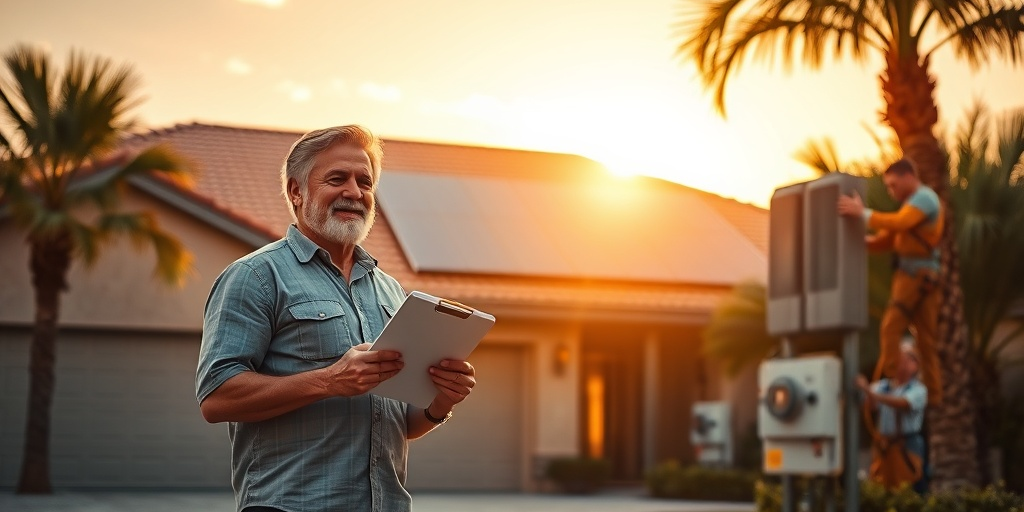
Do you know how long your solar panels will last and what factors influence their lifespan? This question is vital for Florida homeowners considering solar energy in 2025, especially with rising energy costs and increasing grid instability. In fact, studies indicate that solar panels can last between 25 to 30 years (SEIA.org), while advancements in technology are further enhancing their durability and efficiency. Welcome to “Unlocking the Mystery of Solar Panel Lifespan Explained.” By understanding the various elements that impact solar panel longevity, you can make informed decisions that maximize your investment and benefit your home long-term.
As interest in solar energy soars, understanding solar panel lifespan becomes essential for homeowners looking to cut electric bills and increase their energy independence. With the implementation of new solar incentives in 2025, now is the perfect time to explore these topics. In this article, we will delve into five critical sections: a deep dive into case studies showcasing real-life experiences, an actionable checklist to assess your solar needs, a myth-busting segment that dispels common misconceptions, a local focus on Florida-specific statistics and policies, and a technical deep dive analyzing various solar technologies and their impacts. Gear up to elevate your knowledge and position yourself for a successful solar transition.
Deep Dive into Solar Panel Lifespan: Real-Life Cases
Imagine the story of Sarah and Tom from Orlando, Florida. Last year, they decided to convert their traditional energy use to solar power. After thorough research, they installed high-efficiency solar panels from a trusted provider. Their decision was influenced by mounting energy bills, a desire for energy independence, and the long-term savings promised by solar technology. Six months later, they marveled at their first electricity bill showcasing a minimal charge—almost a victory over rising utility rates.
Sarah and Tom’s journey reflects an increasingly common narrative. Interestingly, a majority of Florida homeowners report an increased confidence in their solar investments as more individuals share successful experiences (SolarReviews.com). However, beneath this victorious surface lies a crucial underlying question: how long can we expect these solar panels to last, and what factors contribute to their longevity?
- Quality of the Panels: Better-quality panels often come with longer warranties, typically 25 years, signifying manufacturers’ confidence in their durability. Higher-efficiency products are less prone to degradation over time.
- Environmental Factors: Florida’s tropical climate can be both a boon and a bane. The humidity, heat, and frequent storms can affect the lifespan of solar panels. Proper installation and quality materials can mitigate these risks.
- Maintenance: Regular maintenance, including cleaning the solar panels and ensuring there are no obstructions, can dramatically improve panel longevity.
- Installation Quality: An experienced installer can make a significant difference in the longevity and efficiency of a solar panel system.
As you can see, many factors interplay in determining solar panel lifespan. But there are actionable steps you can take to ensure you maximize your investment, which we’ll outline next.
Your Essential Solar Panel Lifespan Checklist
To ensure you’re making the right choices regarding your solar investment, follow this concise checklist for assessing and maintaining your solar system:
- Step 1: Research Panel Brands – Compare warranties and customer reviews to select reputable brands known for longevity.
- Step 2: Choose Installation Excellently – Hire an installer with a proven track record in the Florida solar market. Look for certifications and strong customer feedback.
- Step 3: Consider Protective Measures – Examine whether additional protective features such as storm shields or specialized mounts could benefit you considering Florida’s weather.
- Step 4: Understand your Maintenance Needs – Familiarize yourself with best practices for maintaining your panels and set up a cleaning schedule.
- Step 5: Monitor Performance Regularly – Invest in monitoring software or devices that alert you to drops in performance, which can be a sign of panel degradation.
By taking these proactive steps, Florida homeowners can improve the lifespan of their solar panels and enhance their overall solar journey. Each step is crucial, but awareness of common myths surrounding solar panels can also minimize costly mistakes.
Debunking Common Solar Panel Myths
When considering a solar installation, many myths can mislead homeowners. Let’s clear the air:
Myth #1: Solar panels don’t work on cloudy days.
Reality: While solar panels are less efficient on cloudy days, they still produce electricity. In fact, studies show that panels can operate at about 25% efficiency even in overcast conditions, making them viable year-round in Florida (Energy.gov).
Myth #2: Solar panels are too expensive and not worth the investment.
Reality: The decreasing cost of solar technology and available incentives are now making solar more affordable than before. In many cases, the savings on utility bills can match or exceed the initial investment over time.
Myth #3: Solar panels require a lot of maintenance.
Reality: Solar panels are largely self-sufficient and require minimal maintenance. Regular cleaning and occasional inspections are usually all that’s necessary to ensure optimal performance.
Myth #4: All solar panels last the same amount of time.
Reality: Quality varies by manufacturer. Higher-grade panels often come with longer warranties and better performance reliability over time.
Myth #5: Solar energy contributes significantly to global warming.
Reality: Solar energy reduces dependency on fossil fuels, thus lowering greenhouse gas emissions. Making the switch is a step toward a more sustainable future.
By exposing these myths, we aim to empower Florida homeowners with the clarity needed for informed decisions. This enlightenment leads us to examine local statistics that further highlight the advantages of transitioning to solar power.
The Local Focus: Florida Solar Landscape
Florida stands as a model state for solar adoption, boasting some of the most favorable conditions for solar energy production in the entire country. According to a recent report, Florida ranks second in the nation for total installed solar capacity with over 30,000 solar installations (SEIA.org). But what does this mean for Florida homeowners looking at solar options in 2025?
- **Incentives:*** Florida homeowners can currently take advantage of the Federal Investment Tax Credit (ITC), which offers a 26% tax credit on solar installations effective through 2022. This is projected to decrease to 22% in 2023—another reason to act swiftly.
- **Energy Independence:*** With frequent fluctuations in energy prices, shifting to solar can safeguard against unpredictability, offering homeowners assurance and stability.
- **Increase in Home Value:*** Many prospective home buyers view solar installations favorably, leading to higher property values. Homes with solar panels can sell for more than similar homes without them.
For homeowners wanting to maximize their solar investments, understanding these local dynamics is crucial for making informed choices. But what about the technical aspects of the installation? Let’s delve deeper into the mechanics behind solar systems themselves.
Technical Deep Dive: The Technology of Solar Energy
Understanding the intricacies of solar technology can feel daunting. However, knowledge empowers you to make the informed decisions needed for a successful solar installation. Here’s a closer look at the components that impact solar panel lifespan:
- Solar Panels: The most visible part of any solar system, panels convert sunlight into electricity. Depending on the type of technology, monocrystalline panels typically have better efficiency and longevity but may cost more upfront compared to polycrystalline options.
- Inverters: These devices convert the electricity generated from the panels into a form usable in homes. The lifespan of an inverter averages around 5-10 years, making monitoring and eventual replacement necessary.
- Batteries: For homeowners looking to maximize usage and storage, solar batteries store energy produced during the day for nighttime or low production periods. Quality batteries can last from 5-15 years.
- Electricity Metering: Understanding your electricity metering determines billing costs. Net metering allows homeowners to receive credits for excess energy supplied back to the grid, thus saving costs.
Familiarity with these pieces can aid in improving accountability and longevity within your solar energy set-up. By preparing for various changes and building an efficient system tailored to your home’s needs, you can optimize solar savings.
Next Steps for Florida Solar Buyers in 2025
Preparing to embark on your solar journey demands practical steps and forward-thinking strategies. Refer back to our checklist as you consider the transition:
- Step 1: Audit Your Electric Bill – Start by fully understanding your electricity consumption patterns over the last year.
- Step 2: Schedule a Consultation – Connect with a professional to discuss potential solar solutions tailored to your home.
- Step 3: Research Incentives – Review and stay updated on the available tax credits, state rebates, and local incentives.
- Step 4: Request Multiple Quotes – Don’t settle for the first quote; get various estimates to ensure you receive the best possible value.
- Step 5: Prepare for Installation – Once you’ve selected your installer, prepare your home for optimal access and ensure your roof is suitable for solar panels.
By stepping through these actionable measures, Florida homeowners can take control of their solar destiny and position themselves well for an energy-independent future. Remember to consult floridaelectricandsolar.com for local resources and assistance.
In conclusion, understanding solar panel lifespan is not just an academic exercise; it’s a crucial component of planning for your financial future and stability. By learning from others’ journeys and educating yourself about equipment, local policies, and ongoing innovations, you’re capable of unlocking significant benefits that come with going solar.
As energy prices continue to climb, investing in solar is more urgent than ever. This transition means controlling your energy costs, adding value to your home, and contributing to a cleaner environment for future generations.
Are you ready to start your solar journey in 2025? Connect with a certified expert at floridaelectricandsolar.com today.
Related Articles
More insights about Solar Panel

Florida Homeowners: Why Solar Panel Maintenance Is Essential

7 Essential Steps for Solar Panel Installation Success

Expert Insights: Key Factors Influencing Solar Panel Lifespan
Ready to Go Solar?
Have questions about solar energy? Our experts are here to help you make the switch to clean, renewable energy.