
Warning: Avoid Common Mistakes When Installing Solar Panels
Share:
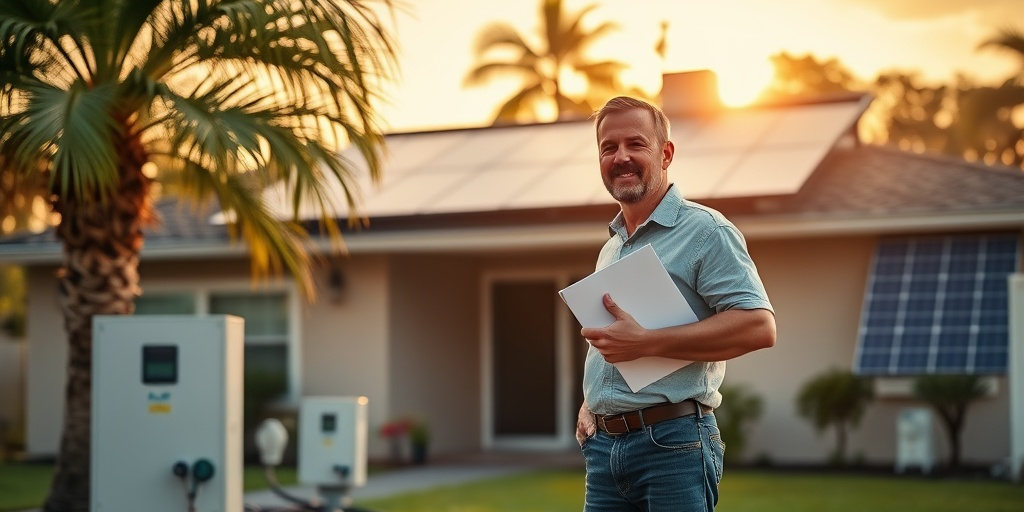
As Florida homeowners start contemplating a future powered by renewable energy, a staggering 87% of residents indicate their willingness to invest in solar technology (SEIA.org). Combining this enthusiasm with the forecasted 20% increase in electricity rates by 2025 makes the prospect of solar energy not just appealing, but financially crucial. Yet, the journey toward solar adoption is often riddled with pitfalls that can compromise not only your investment but also your ability to harness the full benefits of solar power. That’s why in this post, titled “Warning: Avoid Common Mistakes When Installing Solar Panels,” we will dissect the common traps homeowners fall into during this process. We’ll dive into the intricacies of proper solar panel maintenance, how avoiding these common mistakes can save you money, and how to significantly improve your system’s performance in the harsh Florida climate. This topic holds particular urgency in 2025 due to rising energy costs and the emergence of new solar incentives. As we move forward through this comprehensive guide, we’ll cover five critical sections: a case study illustrating real-life mistakes, a step-by-step checklist for your solar installation, a myth-busting segment that clarifies misunderstandings about solar energy, a local focus on Florida-specific stats and policies, and finally, a technical deep dive into the components that make up your solar system. Let’s get started!
Understanding Common Mistakes in Solar Panel Installation
In 2019, Jennifer and Mike, a couple living in Orlando, decided it was time to take the plunge and install solar panels on their home. Motivated by the increasing electricity bills and an eagerness to contribute to a sustainable future, they began shopping around for quotes. Unfortunately, they became overwhelmed by the different providers and options available, ultimately selecting a company based solely on the lowest price. This decision would haunt them, leading to a cascade of problems: poor installation, system inefficiency, and mounting repair costs. By 2022, they had spent more on repairs than if they had opted for a quality installation from the start. This underscores a crucial warning: choosing the right installation company is one of the most significant decisions you can make.
Here’s a checklist to guide you through what you need to consider before installation:
- Research and review multiple quotes: Ensure that you’re comparing services, equipment, and warranty options.
- Choose a reputable installer: Look for companies with local experience and positive customer reviews.
- Understand your home’s energy needs: Before you buy, conduct a thorough energy audit to know how many panels you actually need.
- Verify permits and licenses: Make sure that your installer has the necessary permits and is licensed in Florida to perform installations.
- Ask about warranties and service plans: A trustworthy installation should come with reliable service and comprehensive warranties.
But it doesn’t stop there. Many homeowners, including Jennifer and Mike, believe in myths that can lead to further issues. For starters, one prevalent belief is that all solar panels are created equal. This couldn’t be farther from the truth. Not all panels offer the same efficiency, durability, or performance under Florida’s humid and sunny conditions.
Here are a few myths we need to dispel regarding solar installations:
- Myth #1: “Solar panels only work during the summer.” – In reality, solar panels can generate electricity year-round, though performance may dip in cloudy conditions or during Florida’s rainy season.
- Myth #2: “The installation process is the same everywhere.” – Each locality may have different codes, permitting requirements, and installation practices based on local climate conditions.
- Myth #3: “You can’t install solar panels on an old roof.” – With accurate inspections and skilled installers, retrofitting solar panels to older roofs isn’t only possible; it can save you more in the long run.
Through the lens of Florida, it’s essential to underscore some specific facts that further illustrate the dynamics at play:
- As of 2023, the solar capacity in Florida has exceeded 6,000 megawatts, meaning ample access to clean energy is available (SolarReviews.com).
- Favorable policies such as the Florida Renewable Energy Production Tax Credit can provide significant savings on your solar investment (Energy.gov).
Transitioning to clean energy is not merely a trend; it’s a necessity, especially when forecasts indicate that Floridians may face worsening conditions related to energy demand and climate change. The decisions you make today about your solar system will not only affect your wallet but impact the environment and your community. In the next section, we will delve deeper into actionable steps you can take to ensure your solar installation is successful.
Step-by-Step Solar Installation Checklist
Choosing to go solar is an empowering decision, but knowing where to begin can be daunting. Step 1: Conduct a financial analysis to determine how much you can invest upfront. Calculate your projected savings over time to understand the financial impact clearly. Remember that Florida offers various incentives that could significantly reduce the upfront costs of solar installations.
Step 2: Reach out to multiple providers. Having at least three bids allows you to better negotiate terms that suit your budget and energy needs while determining which company has the most reliable warranties and services.
Step 3: Verify installation experience. Ensure that your chosen company has prior experience in installing systems similar to yours. Check their credentials and look for reviews from prior customers to gauge their performance accurately.
Step 4: Review your energy usage comprehensively. An average Florida household consumes roughly 1,000 kWh per month, which indicates the scale of your solar panel needs (SEIA.org). Use that baseline to guide your purchase decisions.
Step 5: Negotiate your financing terms—monitor interest rates as they can impact the modulus of your solar loans greatly. Whether opting for a loan, lease, or power purchase agreement, finding the best financial product designed for your unique situation is vital.
In conclusion, having a solidified approach to solar installation will save you from many common pitfalls that homeowners encounter. Useful resources and extensive options can be found at floridaelectricandsolar.com, which can help you tailor your solar journey to fit your needs. The next section focuses on best practices that can elevate your solar experience even further.
5 Expert Solar Installation Tips for 2025
In the rapidly evolving world of solar energy, certain best practices can ensure that your solar installation is not only up to par but excels beyond expectations. Here are five expert tips to maximize your experience:
1. Optimize panel placement: The exact position of your panels impacts their efficiency. Optimal solar panel orientation in Florida typically faces south or southwest to capture the most sunlight and maximize energy production.
2. Invest in quality equipment: Don’t skimp on panel quality. Choosing higher-grade panels may cost more upfront but can yield greater efficiency and durability. Efficiency ratings vary widely; therefore, it’s crucial to assess the performance metrics.
3. Never overlook your inverter: This pivotal component converts the solar energy collected into usable electricity. Always select a reliable inverter from reputable manufacturers that offer robust warranties. Microinverters may provide additional benefits by maximizing output from each panel.
4. Plan for maintenance: Engage in regular maintenance checks and cleaning to ensure your system performs efficiently over the long term. Don’t forget about checking for shading issues as nearby trees or buildings may obstruct sun exposure.
5. Stay informed about local policies: Florida’s regulatory environment is fluid. It’s crucial to stay updated on policy changes and new incentives or rebates that can provide financial assistance for solar installations.
Implementing these best practices not only serves to enhance your system’s efficiency but also secures your investment. The next section will delve into a personal narrative, illustrating the challenges and triumphs associated with joining the solar community.
A Florida Homeowner’s Solar Journey
Meet Derek, a proud homeowner in Tallahassee. Derek had always been fascinated by solar technology, but he hesitated to install solar panels due to the myths he had absorbed throughout his life: solar panels are ineffective in winter and need constant upkeep. The tipping moment came when he discovered that his electric bill had skyrocketed to $250 during the unseasonably hot summer months. “This can’t keep happening,” he thought. He decided to re-evaluate the possibilities.
Initially, he thought he’d tackle the research on his own, but confusion crept in quickly. He found it difficult to sift through the overwhelming amount of information available. Not wanting another summer of inflated coolant costs, Derek finally reached out to a few solar companies. After receiving estimates, he discovered that the incentives available could offset a significant portion of his installation costs.
After careful consideration and discussions with several installers, Derek decided to invest in a mid-range solar panel system. floridaelectricandsolar.com provided him with tools to assess the best installation strategy for his specific location and energy needs.
When the installation day finally arrived, excitement and nervousness filled the air. Derek watched as specialists secured the panels to his roof, and he asked questions to absorb every aspect of the process. He soon learned about the ins-and-outs of system optimization and the importance of maintenance protocols.
What truly amazed Derek was the measurement of savings—his first energy bill post-installation had dropped to an astonishing $85. The exhilaration of seeing nearly a 70% reduction was palpable. Derek took pride not only in reducing his expenses, but also in doing his part to help the environment.
Fast-forward two years: now Derek enjoys the additional earnings from net metering and continues to advocate for solar energy in his community, sharing his empowering story with other homeowners. Each month, his bills transform, shifting from a burden to an easy reminder of the future he’s secured. Derek’s tale demonstrates how proper preparation, avoiding common pitfalls, and prioritizing efficiency can change your life for the better, paving the way for others to explore solar solutions.
The final section will guide you on actionable next steps to ensure a successful solar experience for yourself.
Next Steps for Florida Solar Buyers in 2025
Embarking on your solar journey may seem intimidating, but it’s essential to take systematic steps to streamline the process. Here’s a concise action plan to help you initiate the transition smoothly:
- Step 1: Audit Your Electric Bill: Start by compiling your energy bills for the past year. Understanding your monthly usage will give you insights into the size of the system you need.
- Step 2: Research Financing Options: Explore potential financing options ranging from loans to leases that cater specifically to solar installations.
- Step 3: Select Quality Equipment: Based on an independent analysis of panel options, ensure you choose brands that boast high customer satisfaction and performance ratings.
- Step 4: Use a Qualified Installer: Verify the installer’s reputation through reviews, ensuring they hold the necessary licenses and warranties to protect your investment.
- Step 5: Stay Engaged: Connect with local solar communities and forums to learn from others’ experiences and remain informed about updates in policy or system improvements.
Following these steps and seeking guidance from experienced professionals can significantly diminish the complexity of the solar installation process. As you embark on your solar journey, understand that this is not merely about reducing bills; it’s about creating a sustainable future for yourself and your loved ones.
Reflecting on these insights, the urgency for adopting solar energy has never been greater. The switching costs are favorable in 2025, and the success stories of others, like Derek, can illustrate what is possible for your future. Solar power is more than just an energy solution; it’s a call to action for a sustainable world.
Ready to start your solar journey in 2025? Connect with a certified expert at floridaelectricandsolar.com today.
Related Articles
More insights about Solar Panels

How Long Do Solar Panels Last in Florida? What to Expect From Your System

Flat Roof Solar Mounting in Florida: A Complete Installation Guide

Myth: Solar Panels Don’t Increase Home Value in Florida
Ready to Go Solar?
Have questions about solar energy? Our experts are here to help you make the switch to clean, renewable energy.