
Warning: Avoid These Common Solar Scams Affecting Florida Homeowners
Share:
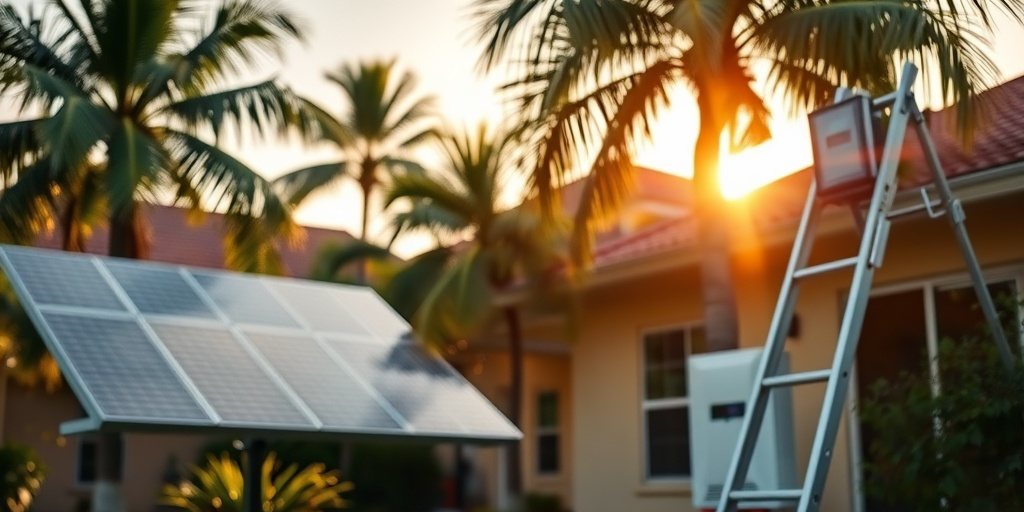
As Florida homeowners consider making the switch to solar energy, they are often faced with an increasingly complex landscape full of both opportunity and risk. Did you know that nearly 1 in 3 solar companies in the U.S. have received complaints about misleading sales practices? Furthermore, in 2022, solar investment scams accounted for an alarming 22% of reported energy fraud incidents (Federal Trade Commission). This is precisely the reason why it’s crucial to be informed: “Warning: Avoid These Common Solar Scams Affecting Florida Homeowners.” In 2025, with rising energy costs and new incentives, critical legislation and consumer awareness are more relevant than ever. Homeowners in the Sunshine State should be aware of virtual deals that seem too good to be true. This article will dissect not only the common scams but also useful tools and strategies to protect your hard-earned investment. Prepare to navigate through key insights split into five sections: the emotionally charged stories of those affected, actionable checklists to guard your choices, debunking prevailing myths in solar offerings, a localized focus on Florida’s solar landscape, and a deep dive into the technology that powers these systems. Let’s journey together into a cautious but empowered solar future.
Understanding Common Solar Scams: Unlocking Personal Stories and Lessons
When Harry and Veronica, a couple residing in Sarasota, made the leap to solar energy, they envisioned powering their home sustainably and reducing their electricity bills. What they didn’t anticipate was a separate battle against a barrage of misleading offers. After signing a contract with a solar provider promising substantial savings, they ended up facing hidden fees and subpar installation work. Their dream of energy independence quickly turned into a nightmare filled with stress and financial uncertainty. Unfortunately, Harry and Veronica are not alone; many Florida homeowners find themselves ensnared in similar predicaments due to nefarious businesses seeking to capitalize on the solar energy boom.
Here’s a checklist for Florida homeowners like Harry and Veronica to avoid falling victim to common solar scams:
- Step 1: Research Company Reputation: Check online reviews, consumer watchdog ratings, and complaints filed with the Better Business Bureau.
- Step 2: Verify Licensing: Ensure the company has the necessary licenses to operate in Florida. The Florida Department of Business and Professional Regulation (DBPR) provides a useful verification tool.
- Step 3: Understand the Contract: Look out for fine print that hides fees or imposes penalties for early cancellation.
- Step 4: Get Multiple Quotes: Always seek quotes from different providers to gauge price and service differences.
- Step 5: Watch for Sale Gimmicks: Beware of tactics like “limited-time offers” that leverage your urgency for commitment. Excellent solar providers will not rush you.
Even the perception that solar energy is too expensive is a myth worth debunking. In reality, the average cost per Watt of solar panels has decreased by approximately 70% since 2010, and as of 2022, the federal solar tax credit can reduce installation costs by 26% (Energy.gov). Investors not only save on their monthly utility bills but also access incredible incentives designed to expand renewable energy adoption across Florida.
The story of Harry and Veronica illustrates how important it is to scrutinize any solar agreement thoroughly. Additionally, it underlines the growing need for public knowledge in a sector that promises immense benefits but is also fraught with pitfalls. As we further explore common scams impacting Florida’s homeowners, it’s vital to equip ourselves with both actionable insights and the understanding that vigilance pays dividends in protecting your investment.
Now let’s transition from narrative to operational strategies that flummox potential scammers while maximizing your solar savings.
5 Red Flags: Identifying Warning Signs in Solar Offers
Every homeowner should be aware of these key indicators of solar scams. Recognizing these warning signs early can save you not only money but also valuable time and emotional distress.
- Offer Too Good to Be True: If the price appears significantly lower than market rates, question it. It may come packed with hidden costs.
- High Pressure Sales Tactics: Be wary of salespeople who push you to sign on the dotted line immediately without giving you time to think.
- Lack of Transparency: Contractors should be upfront about what you’re getting. If details are murky, dig deeper.
- Unlicensed Contractors: Florida requires that work on solar systems be conducted by licensed professionals. Always inquire about licensing.
- Negative Online Reviews: Take heed of repeated complaints concerning customer service or product quality; these reviews can reveal much about a business.
These signs become even more imperative considering that, in 2021 alone, over 2,500 reports connected with solar fraud emerged (Consumer Federation of America). Now, understanding these risks, let’s equip ourselves with information to negate common myths that can misguide homeowners toward unreliable solar service providers.
Myth-Busting Misconceptions Surrounding Solar Energy
The landscape of beliefs around solar energy is filled with misconceptions that can mislead consumers. In many cases, invalid assumptions deter homeowners from embracing solar power and lead them toward predatory schemes. Here are five widespread myths you should master.
- Myth #1: Solar Panels Require Too Much Maintenance. In truth, solar systems require minimal maintenance, only periodic cleaning and inspections. Most manufacturers offer warranties spanning 20-25 years.
- Myth #2: Solar Energy is Only for Wealthy Homeowners. This is untrue; financing options and tax incentives make solar more accessible across socioeconomic strata. Florida utilities offer programs to help lower-income households go solar.
- Myth #3: Solar Will Not Work in Cloudy Weather. While solar panels are most efficient in direct sunlight, they can still generate power on cloudy days—roughly 70-90% efficiency in those conditions.
- Myth #4: Installing Solar Panels Will Decrease My Property Value. Numerous studies show that solar installations can increase property value. Homes with solar panels often sell faster and at higher prices (National Renewable Energy Laboratory).
- Myth #5: I Don’t Live in the Perfect Location for Solar. Florida is one of the best states for solar energy; with sufficient sun exposure across the state and growing support from utilities, nearly any location can benefit.
In 2025, the opportunity to reap the rewards of solar energy in Florida continues to expand, especially as advancements in technology and state policy drive down the cost of solar installations. It’s time Florida homeowners embrace discernment when making decisions regarding solar offers. Let’s focus now on localized trends in Florida’s solar legislation and incentives that serve to protect and benefit homeowners who are considering the leap into solar.
Navigating Florida’s Solar Landscape: Benefits and Risks
Florida’s approach to renewable energy has its set of advantages but comes with unique challenges. Understanding these aspects will empower you as a consumer. When evaluating your solar investment in 2025, consider the following:
- Community Solar Programs: Florida offers community solar programs that allow you to benefit from solar energy without the need for installation on your property. These programs can decrease your electric bills and promote renewable energy accessibility.
- Net Metering Policies: Florida’s net metering allows you to receive credits for the excess energy produced by your solar panels and fed back into the grid, increasing the value proposition for homeowners.
- State Incentives: The state offers property tax exemptions for solar panel installations, allowing you to install solar without tax penalties (DSIREUSA.org).
- Licensing Requirements: Florida mandates that ALL solar contractors hold valid licenses, providing that essential level of consumer protection to reduce exploitation risks.
- The SREC Market: While unlike states with established Solar Renewable Energy Certificate (SREC) markets, Florida’s ongoing discussions about this may lead to future opportunities for homeowners to make additional profits.
As we approach a time when solar energy adoption is pivotal not just for reducing energy bills but also for combating climate change, vigilance will be crucial in navigating Florida’s evolving solar landscape. Now, let’s delve into the practical aspects of your solar journey and how to improve resilience against potential traps.
Creating a Sustainable Solar Action Plan for 2025
To protect yourself and optimize the benefits of solar energy, start with actionable steps. Here’s a straightforward action plan that targets Florida homeowners who are looking to purchase a solar power system in 2025.
- Audit Your Electric Bill: Before onboarding any solar company, analyze your current electricity usage to accurately size the solar system for your needs. Look for spikes in consumption to understand possible savings.
- Research the Market: Investigate the landscape—companies offering solar installations in your area, customer reviews, financing options, and any local incentives available.
- Obtain Multiple Quotes: Reach out to at least three reputable solar companies for quotes and comparisons. Be sure their proposals include detailed terms about financing, warranties, and service.
- Check Financial Assistance: Explore available federal and state incentives, such as the federal solar tax credit, which allows you to deduct a portion of your system costs from your taxes.
- Consult with Industry Experts: Lastly, engage with certified solar consultants and contractors. A good installer can provide invaluable insights into the best practices for your unique situation.
Bear in mind that the future of solar energy in Florida looks promising, especially in a continuously shifting landscape that fosters innovation and sustainability. Maximizing solar savings requires a proactive approach to learning and taking action. You can enrich the lifecycle of your investment and enjoy all the advantages renewable energy has to offer. For further assistance navigating your solar journey, visit floridaelectricandsolar.com.
Reflecting upon the knowledge you have gained about the scams targeting Florida homeowners, the imperative understanding of myths surrounding solar energy, the specifics of Florida’s progressive legislative landscape, and adopting a robust action plan, your readiness to embark on this journey becomes clearer. Change is always met with skepticism, but the urgency of moving towards solar energy in 2025 cannot be understated – consider the financial and environmental benefits. Your family and future deserve the sustainable energy solutions that solar offers.
Ready to start your solar journey in 2025? Connect with a certified expert at floridaelectricandsolar.com today.
Related Articles
More insights about Solar Scams

Warning: Don’t Overlook These Solar Scams to Avoid

Don’t Miss This Critical Alert About Solar Scams

Don’t Ignore These Critical Solar Scams to Avoid
Ready to Go Solar?
Have questions about solar energy? Our experts are here to help you make the switch to clean, renewable energy.