
Why Florida Homeowners Should Consider Solar Panel Installation
Share:
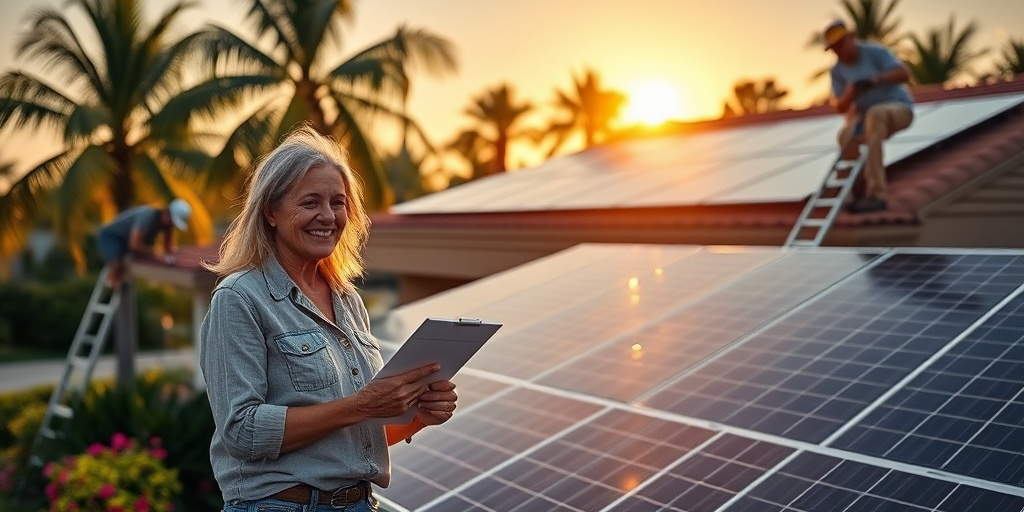
Imagine seeing your monthly energy bill shrink by 30% or more, all while contributing to a cleaner environment. Sounds appealing, right? In the sunshine state of Florida, where rooftops bask in abundant sunlight, homeowners have a unique opportunity to transform their houses and reduce energy costs through solar panel installation. With energy prices rising and new incentives emerging in 2025, it is crucial for Florida homeowners to consider solar power. In fact, the average homeowner who installs solar panels in Florida can save over $20,000 over the lifespan of the system (SolarReviews.com). Furthermore, studies show that solar energy installations lead to a 25% increase in home value (SEIA.org). This article, titled Why Florida Homeowners Should Consider Solar Panel Installation, explores why going solar is not only a wise financial decision but also an environmentally responsible choice. We’ll discuss five critical sections: the deep dive into Florida’s solar benefits, a practical checklist for getting started, a myth-busting session to dispel common misconceptions, best practices for installation, and a detailed action plan to guide you towards embracing solar energy in 2025.
Understanding the Urgency of Solar Panel Installation in Florida
As we stride into 2025, Florida homeowners face evolving challenges. The energy landscape is shifting, with rising energy costs putting pressure on family budgets and increasing focus on eco-friendly living. Just recently, Florida saw an overall electricity rate increase of 15% in 2023, the largest spike in years (Energy.gov). The urgency to go solar stems not only from the rising costs but also from legislative incentives designed to promote renewable energy. Policies such as net metering allow homeowners to sell excess energy back to the grid, making solar a lucrative investment.
Moreover, Florida’s unique environmental conditions—its lush landscapes and generous sunshine—make solar energy a particularly effective solution for energy needs in the state. With nearly 300 days of sunshine per year, the potential for solar power in Florida is immense. It is essential now more than ever for homeowners to adopt solar technologies to maximize their savings and minimize their environmental footprints.
Before diving deeper, here is a preview of what to expect in the subsequent sections:
- An in-depth look at the tangible benefits of solar installations specific to Florida.
- A practical checklist designed to guide you through the solar adoption process.
- A session debunking common myths surrounding solar panel systems.
- Best practices from experts on solar installations customized for Florida’s climate.
- A step-by-step action plan to pave your way towards solar energy integration.
The Case for Florida Homeowners Going Solar
The transition to solar shouldn’t merely be seen as a financial decision; it’s a lifestyle upgrade. Let’s explore this through the hypothetical, yet realistic, case of the Ramirez family living in Orlando. After renovating their home, Patricia and Juan Ramirez found their electricity bills skyrocketing, reaching upwards of $300 a month during the summer. They decided to research solar options, wanting a way to combat these rising costs while also helping the environment.
Upon contacting floridaelectricandsolar.com, they discovered a range of financing options, including incentives that allowed them to install 12 solar panels without significant upfront expenses. What began as a frustration over rising cost quickly transformed into a well-informed choice for their sustainability. Today, their electric bill has diminished to about $80 per month, a staggering reduction of over 70%. Their solar energy system also increased their home’s value by over 15%, making it an impressive investment by any standard.
This case represents the transformational power of solar energy, allowing families not only to regain control of their budgets but also to make a positive environmental impact. Here’s a checklist that others in Florida can follow to evaluate whether solar panel installation is right for them:
- Assess Energy Needs: Review your current electric bill; determine your average monthly usage and peak seasons.
- Evaluate Roof Conditions: Ensure your roof is in good condition and can support solar panels effectively.
- Research Local Incentives: Investigate state and local incentives that potentially lower your installation costs.
- Choose the Right Installer: Look for qualified solar contractors with strong references and reviews.
- Consider Financing Options: Explore various payment options—loans, leases, or power purchase agreements (PPAs).
Myths About Solar Energy Debunked
Many homeowners delay their decision due to prevalent myths surrounding solar technology. Let’s address these misconceptions head-on.
- Myth #1: Solar Panels Don’t Work in Cloudy Weather. The reality is that solar panels use diffuse sunlight, meaning they can still produce energy on cloudy days. Many Florida residents report considerable energy production throughout the year, regardless of occasional cloud cover.
- Myth #2: Solar is Too Expensive. Although the initial costs can seem high, government rebates and long-term savings mean many homeowners see a full return on investment within 5 to 7 years (SolarReviews.com).
- Myth #3: Solar Panels Require Too Much Maintenance. In truth, solar systems are quite low-maintenance. Occasional cleaning and inspections are generally all that’s needed to keep them operating smoothly.
- Myth #4: Installing Solar Panels Will Decrease My Home’s Value. On the contrary, properties with solar installations are often valued higher than those without, attracting environmentally-conscious buyers (SEIA.org).
- Myth #5: I’ll Need to Replace My Roof First. While it’s essential that your roof is suitable for solar panels, many solar contractors can evaluate the condition of your roof and recommend repairs if needed before installation.
Understanding these myths is crucial to making an informed decision about solar energy. The next step is to delve deeper into the best practices for ensuring efficient and successful solar panel installations.
Best Practices for Solar Installation in 2025
Successfully installing solar panels means navigating various factors, from market conditions to real estate considerations. Here are five expert tips for Florida homeowners to maximize their solar installation experience.
- 1. Understand Local Regulations: Each city or county in Florida has specific rules regarding solar installations. Familiarize yourself with building codes and permitting requirements to avoid unnecessary delays.
- 2. Optimize Panel Placement: When designing your solar array, ensure panels are positioned to maximize sunlight exposure, ideally facing south at a tilt angle between 30 and 45 degrees.
- 3. Combine Technologies: Consider pairing solar installations with battery storage solutions. Batteries provide backup power during outages and allow homeowners to store energy for use during peak pricing hours.
- 4. Monitor Performance: Keep track of your solar system’s output using apps that track daily energy production and allow you to adjust usage accordingly, thereby maximizing savings.
- 5. Schedule Regular Maintenance: While solar systems are low-maintenance, periodic inspections and cleaning can help maintain peak performance, ensuring you reap the rewards of your investment.
Each of these tips contributes to a more effective solar installation, translating directly into long-term savings and efficiency. Now that we’ve explored best practices, let’s take a look at an inspiring solar journey that reflects the realities of solar energy adoption in Florida.
A Realistic Solar Journey: From Skepticism to Solar Advocate
Meet Ian, a skeptical yet curious homeowner living in Jacksonville. Initially, Ian hesitated to invest in solar energy due to misgivings about efficiency and savings. However, after a neighbor had solar panels installed, he decided to explore it further. The stark contrast in their energy bills piqued his interest, leading him to gather information and attend local solar events to learn more.
The turning point occurred when he discovered solar rebates and financing options available for Jacksonville residents. His excitement grew when he realized he could afford a system without straining his budget. Ultimately, Ian decided to proceed with installation, enticed by the reduced monthly energy costs and the prospect of long-term energy independence.
His key findings can be broken down as follows:
- Reduced Energy Costs: Ian reported a consistent decrease in monthly bills, which he calculated as approximately $150 in savings yearly.
- Increased Home Value: When Ian received his property appraisal, he found that the added value of his solar system significantly increased his home’s market appeal.
- Environmental Impact: By converting to solar energy, he reduces his carbon footprint, contributing to a healthier planet for future generations (NREL.gov).
Through Ian’s story, we see an authentic representation of the transition from skepticism to advocacy for solar energy. Motivated by financial savings and environmental responsibility, his journey underscores the potential that lies within every Florida homeowner’s reach. To ensure that this journey aligns with your goals, implementing an effective action plan is essential.
Next Steps for Florida Solar Buyers in 2025
Ready to make the leap into solar energy? Here are actionable steps tailored for Florida homeowners to help streamline the process and ensure successful installation:
- Audit Your Electric Bill: Begin by reviewing recent bills to identify trends. Look for unusually high usage months to gauge how much you can potentially save with solar.
- Contact Local Professionals: Reach out to qualified solar contractors to solicit quotes and gather insight into installation processes, incentives, and potential returns.
- Research Energy Storage Options: Explore battery storage solutions to enhance your energy independence and ensure peace of mind during outages.
- Engage with Your Community: Join local forums or community solar events to share experiences and gather input from others who have already made the transition.
- Finalize Your Decision: Review your findings, compare multiple offers, and select the option that aligns with your financial and environmental goals.
By taking these steps, Florida homeowners can effectively simplify their journey toward embracing solar energy and reaping its considerable benefits. It’s imperative to seize the moment—especially with a favorable forecast for solar policies in 2025. Are you ready to explore your options?
In conclusion, transitioning to solar energy offers comprehensive benefits, both tangible and philosophically profound, for Florida homeowners. From reduced utility bills and enhanced home values to eco-conscious living, the reasons for going solar are plentiful. By demystifying common myths and adopting best practices for installation, you empower yourself to own your power effectively. Now is the ideal time as we step into 2025, a year promising increased incentives and favorable policy conditions. The impact of your decision will extend beyond your financial situation; it will pave the way for a brighter, more sustainable future for generations to come. Ready to start your solar journey in 2025? Connect with a certified expert at floridaelectricandsolar.com today.
Related Articles
More insights about Solar Panel

Florida Homeowners: Why Solar Panel Maintenance Is Essential

7 Essential Steps for Solar Panel Installation Success

Expert Insights: Key Factors Influencing Solar Panel Lifespan
Ready to Go Solar?
Have questions about solar energy? Our experts are here to help you make the switch to clean, renewable energy.