
Why Gulf Coast Homeowners Should Explore EV Charger Installation
Share:
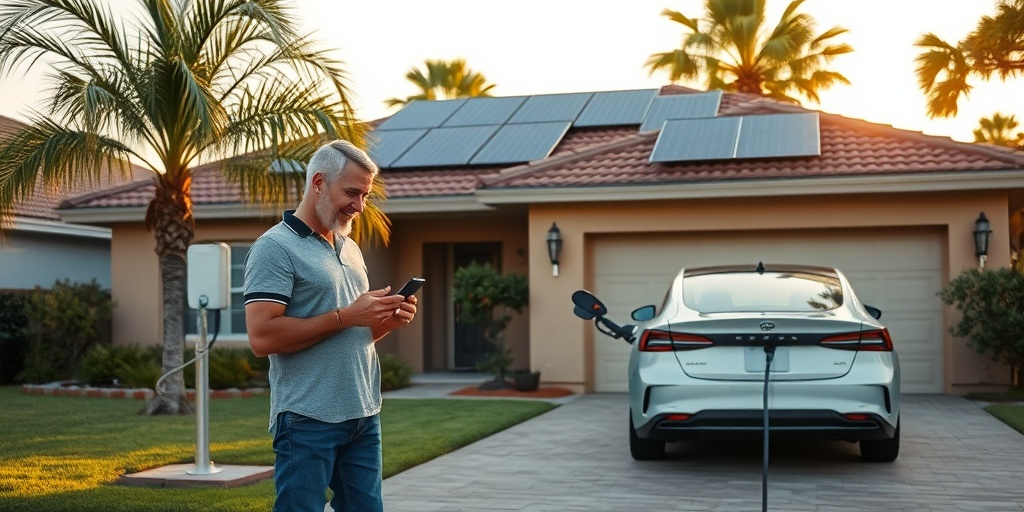
As the sun shines brighter over the Gulf Coast, a remarkable shift is taking place in how Florida homeowners power their lives and vehicles. Did you know that as of early 2025, electric vehicles (EVs) are projected to account for nearly 25% of all new car sales in the U.S. (SEIA.org)? This major trend reflects a broader commitment to sustainability and energy efficiency in our homes. In light of this rapid transition, it’s not just about driving an EV; it’s also crucial to have the right infrastructure to support it. Hence, the focus on EV charger installation is more pertinent than ever. This article, titled Why Gulf Coast Homeowners Should Explore EV Charger Installation, delves into the numerous benefits of integrating an EV charger into your home, emphasizing how to enhance energy efficiency while future-proofing your investments. Our journey will explore five key areas: a real-life case study highlighting a Florida family’s transformation, a practical checklist to help assess your needs, common myths debunked, specific local data to keep you informed, and an in-depth technical analysis. With rising energy costs and evolving federal incentives aimed at promoting renewable energy sources, now is the ideal time to consider how EV charger installation can fit within your home’s solar strategy.
Transformative Benefits of EV Charger Installation for Gulf Coast Homeowners
In the vibrant community of Destin, the Thompsons were thrilled when they made the decision to purchase a new electric vehicle to complement their eco-friendly lifestyle. They enjoyed cruising along the stunning Florida coastline, but they soon realized that charging their new car at public stations was often inconvenient and time-consuming. Determined to find a solution, they decided to install a home charger. This pivotal decision not only improved their convenience but also highlighted the financial advantages and increased their overall home value.
Since the installation, their electric vehicle has saved them about $1,500 annually on fuel costs alone (Energy.gov). This calculated savings, paired with Florida’s net metering policies allowing solar homeowners to sell excess power back to the grid, has dramatically improved their energy efficiency and reduced electricity bills. As of 2025, Florida ranks among the top states for solar power adoption, making it an encouraging environment for homeowners to embrace advancements like EV chargers.
As this case study illustrates, there are multiple compelling reasons for Gulf Coast homeowners to explore EV charger installation. Here’s a checklist that the Thompsons and other homeowners should consider:
- Evaluate Your Charging Needs: Determine how often you’ll be using your EV and evaluate how much charging time fits into your daily routine.
- Research Incentives: Investigate any local, state, or federal rebates available for installing EV chargers.
- Select the Right Equipment: Choose the charger that matches your EV’s requirements and your home’s electrical system.
- Seek Professional Installation: Consulting with qualified electricians ensures safety and compliance with local codes.
- Consider Solar Integration: Explore how solar panels can power your EV, maximizing savings and sustainability.
However, despite this growing interest in EV charger installation, some myths still deter homeowners from making the switch. Let’s break those down in the next section.
Debunking Common Myths About EV Charger Installation
While many homeowners are excited about the prospect of installing EV chargers, misconceptions can cloud their understanding of the process. Here are some of the most common myths, along with the reality behind them:
- Myth #1: EV Chargers Are Too Expensive to Install. Contrary to popular belief, the costs of EV charger installation have dropped significantly in recent years, with many affordable options available. In fact, many homeowners find that federal tax credits can reduce upfront costs, making this transition more feasible than previously thought.
- Myth #2: Public Charging Stations Are Just as Good as Home Chargers. While it’s true that public charging stations can be convenient, they often come with long wait times, are subject to fees, and may not be available when needed. Having a reliable home charger means you can power up your vehicle any time, which adds convenience and peace of mind.
- Myth #3: You Can’t Charge an EV with Solar Power. This is one of the most misleading beliefs. In fact, homeowners can leverage solar energy to fuel their EVs. By installing a solar panel system alongside your EV charger, you effortlessly harness renewable energy, effectively lowering both your electricity and fuel expenses.
Understanding the realities of these misconceptions can empower homeowners to embrace the future of clean energy. As we turn our focus to local data, let’s dig deeper into the Florida landscape for insights and opportunities that could benefit you.
Local Insights: Florida’s Growing EV Charger Infrastructure
Paving the way toward a greener future, Florida’s evolving infrastructure for electric vehicles is worth recognizing. In fact, Florida ranks third in the nation for EV sales, with an impressive 250,000 electric cars registered by early 2025 (Florida Department of Transportation). As a Gulf Coast homeowner, understanding how this local growth impacts you is essential.
The statewide push for green energy is not just a trend; it comes with widespread implications. Here’s what you should know:
- Incentives and Rebates: Florida offers various incentives through the Florida Power & Light Company that can reduce the cost of charging stations, making it easier for homeowners to invest in sustainable practices.
- Access to Charging Networks: By 2025, thousands of charging stations have been installed across Florida, ensuring that public charging is more accessible than ever, but having your own charger at home allows you to avoid the long lines and fluctuating prices associated with public stations.
- Local Ordinances: Some cities are implementing policies to encourage EV adoption, such as reducing building permit costs for homes with EV chargers, easing the installation process for homeowners.
Equipped with this knowledge, Gulf Coast homeowners are uniquely positioned to take advantage of the flourishing EV infrastructure. Yet, the installation of your EV charger is not just a local trend; it requires technical understanding as well. Let’s explore that in the next section.
The Technical Aspects of EV Charger Installation
When considering EV charger installation, it is vital to understand the technical side to ensure that the process is smooth and efficient. First, you’ll need to consider the types of chargers available:
- Level 1 Chargers: These chargers use a standard 120V outlet, taking longer to charge an EV fully but are less expensive and perfect for homeowners without access to a dedicated power supply.
- Level 2 Chargers: This type connects to a 240V outlet, allowing for faster charging times. This is the recommended option for homeowners who use their EV as their primary vehicle.
- DC Fast Chargers: Although these are intended mainly for public use due to their high cost and power needs, understanding them can help homeowners gauge the charging capabilities of public infrastructure.
In addition, integrating your charger with a solar panel system is critical. Properly sizing your solar array for the usage of both your home and your EV will maximize your energy savings. Here’s what to consider:
- System Size Calculation: Calculate your estimated energy usage, including the power needed for both household functions and charging the EV.
- Grid Connection: Ensure that your solar system is connected to the grid to take advantage of net metering.
- Choose a Reliable Installer: Collaborating with experienced solar and EV charger installers ensures that the equipment meets all local codes and standards.
Understanding these technical aspects enables Gulf Coast homeowners to make informed choices and engage in a patriotic pursuit of clean energy. So, where should you start? Organizing an action plan can make all the difference, which leads us to the next crucial section.
Next Steps for Florida Solar Buyers in 2025
Taking the leap toward EV charger installation involves more than just excitement; it requires a structured approach. Below is a succinct action plan that can help guide Gulf Coast homeowners toward a seamless installation experience:
- Audit Your Electric Bill: Evaluate your current energy consumption to determine how much you would save with solar and EV charging. This assessment will help clarify your financial motivations.
- Research Local Incentives: Visit sites like floridaelectricandsolar.com to stay informed about federal and state incentives that can help fund your installation.
- Consult with Professionals: Reach out to solar and EV charging experts who can provide tailored advice based on your property and needs.
- Plan for Solar Integration: Evaluate how your solar panel installation might coincide with your charger installation to optimize energy usage.
- Commit to the Installation: Once everything is in line, it’s time to go ahead and install! Enjoy the convenience of having a dedicated charging station at your home.
This action plan provides a straightforward roadmap for Gulf Coast homeowners eager to explore EV charger installation further. The key takeaway is to remain proactive in your decisions for a sustainable lifestyle.
Conclusion
As we have explored throughout this article, the benefits of installing an EV charger are abundant for Gulf Coast homeowners. Through real-life stories, myth debunking, and local insights, it’s clear that embracing the future of electric vehicles isn’t just a financial decision; it’s a commitment to a sustainable lifestyle. The projected growth of electric vehicles in 2025 presents a unique opportunity; now is the time to integrate EV charging options alongside solar energy solutions for maximum efficiency and savings.
In summary, the journey toward energy independence begins with informed choices and ample resources. By understanding the local landscape and capitalizing on available incentives, homeowners can enhance their quality of life while contributing positively to the environment. So let’s rekindle the excitement of solar power and EV charging!
Ready to start your solar journey in 2025? Connect with a certified expert at floridaelectricandsolar.com today.
Related Articles
More insights about EV Charger

What Florida Homeowners Ask About Solar EV Charger Installation

Florida Homeowners Exploring EV Charger Installation Benefits

Beginner’s Guide to Understanding EV Charger Installation for Homeowners
Ready to Go Solar?
Have questions about solar energy? Our experts are here to help you make the switch to clean, renewable energy.