
Florida Homeowners Exploring EV Charger Installation Benefits
Share:
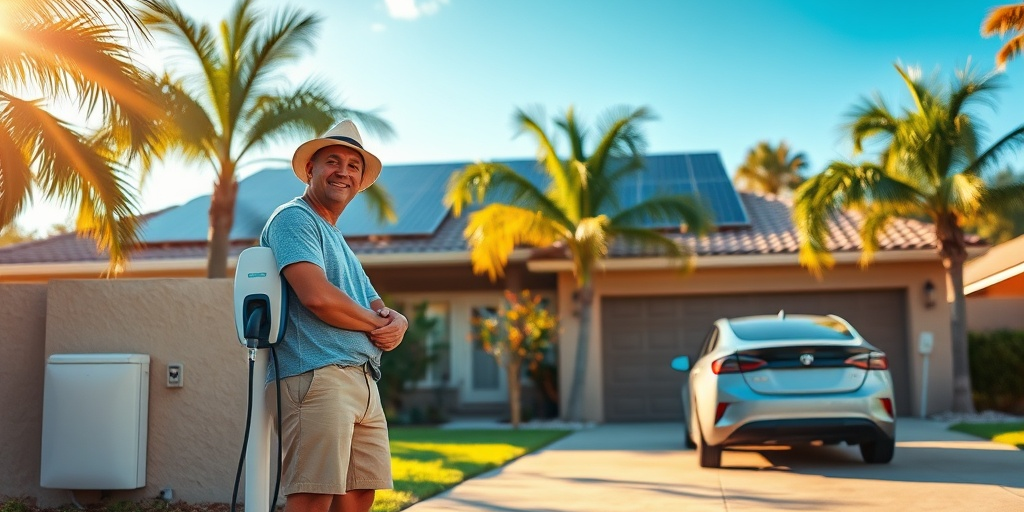
Have you ever considered how your electric vehicle (EV) can enhance both your driving experience and the value of your home? In Florida, the growing adoption of electric vehicles is fostering a demand for convenient charging solutions that can provide significant benefits to homeowners. In this article, titled Florida Homeowners Exploring EV Charger Installation Benefits, we will delve into the advantages of installing EV chargers at home. Did you know that more than 40% of new cars sold in Florida in 2025 are expected to be electric vehicles according to the Florida Department of Transportation? In a similar vein, more than 60% of homeowners plan to install solar panels alongside EV chargers by the end of 2025—an investment that transforms your home into a beacon of energy efficiency (SEIA.org). This topic is urgent, as rising energy costs and climate change require prompt action and thoughtful planning from homeowners across the Sunshine State.
In this article, we’ll explore five key sections that will help you understand how installing an EV charger can elevate your home: 1. Real Stories from Florida Homeowners, 2. A Checklist for Successful Installation, 3. Debunking Common Myths, 4. Local Insights on EV Charging Trends, and 5. Technical Deep-Dive into Cost-Effectiveness. Each section is designed to educate and empower you as a Florida homeowner contemplating the addition of an EV charger. You’re just a few clicks away from transforming not only how you charge your vehicle but also enhancing the value of your home.
1. Real Stories from Florida Homeowners
Meet John, a Florida homeowner who has fully embraced the electric vehicle revolution. In 2025, John decided to go electric for several reasons: rising gas prices, environmental consciousness, and the financial benefits of lower electricity rates. His initial hesitation about installing a home EV charger was quickly alleviated once he spoke with experts from Florida Electric & Solar. After hearing about the increasing number of EV registrations in Florida—projected to reach over 1.2 million by 2025—John realized that having a charging station at home would not only be convenient, but it would also significantly boost his property value (Inhabit.com).
Once John completed the installation, he quickly found that the benefits transcended mere convenience. His home became a hub for friends and family with electric vehicles, who would often stop by to charge while visiting. Furthermore, he discovered that installing an EV charger added approximately $5,000 to the value of his home—a significant return on investment, considering the average residential charging station installation costs range between $500 to $2,000 (NerdWallet.com). John’s story is not just an anecdote; it reflects a broader trend that more Florida homeowners are experiencing. As electric vehicles continue gaining traction, the demand for home charging solutions will become even more prevalent.
- Consider Energy Independence: With electric vehicle charging at home, homeowners can generate their own energy via solar panels, resulting in lower electric bills and reduced reliance on fossil fuels.
- Explore Incentives: Florida homeowners installing EV chargers might qualify for incentives and rebates available through state and local programs aimed at promoting green energy solutions (Energy.gov).
- Enhance Property Appeal: A home equipped with an EV charger can attract environmentally conscious buyers in the robust Florida real estate market.
- Charge Convenience: Having a charger at home eliminates frequent trips to public charging stations, making home charging a time-saving solution.
- Future-Proofing: Upgrading to an EV charger positions your property ideally for future technological advancements in electric vehicle infrastructure.
With such valuable insights from John’s experience, it becomes imperative for homeowners to consider how an EV charger can transform their day-to-day life, along with positively impacting their property value.
2. A Checklist for Successful Installation
Before diving into the world of electric vehicle charging, it’s essential to have a clear action plan in place. Here’s a comprehensive checklist for installing an EV charger at your home:
- Step 1: Evaluate Your EV Needs
Identify your typical driving habits and charging requirements. Consider how often you’ll use your EV and how often you will need to charge it at home. - Step 2: Assess Your Electrical System
Consult a licensed electrician to evaluate whether your home’s electrical capacity can support an EV charger and if any upgrades are necessary. - Step 3: Choose the Right Charger
Based on your needs, select the charger that best suits your vehicle. Level 2 chargers are commonly recommended for home use due to their efficiency and charging speed. - Step 4: Select an Installer
Hire a qualified EV charger installation service, such as Florida Electric & Solar, to ensure compliance with local codes and secure a professional installation. - Step 5: Apply for Rebates and Incentives
Research available state or local incentives to offset installation costs. Florida homeowners may benefit from rebate programs and tax credits for installing EV chargers.
Following this checklist can help streamline your EV charger installation process. By ensuring every step is taken into consideration, homeowners can confidently invest in this upgrade while making informed decisions that enhance their home’s value for the long term.
3. Debunking Common Myths
Despite the growing interest in electric vehicles and their accompanying charging solutions, several misconceptions persist. Let’s set the record straight on some common myths surrounding EV chargers.
- Myth #1: EV Chargers Are Too Expensive to Install
While upfront installation costs can seem daunting, the long-term savings on fuel and maintenance often offset the initial expense significantly. - Myth #2: I Can Only Charge My EV at Public Stations
Many homeowners find that charging at home is more convenient and cost-effective, allowing them to charge overnight and hit the road without worry. - Myth #3: Electric Cars Don’t Have Good Range
With advancements in battery technology, many electric vehicles now boast ranges that adequately meet the average driving needs of most Floridians. - Myth #4: Installing an EV Charger Decreases Home Value
On the contrary, adding an EV charging station can increase your home’s appeal to a growing market of eco-conscious buyers and increase its resale value. - Myth #5: It Takes Long to Charge at Home
While charging times vary by vehicle and charger specifications, most homeowners find that Level 2 chargers can deliver a full charge overnight, often as convenient as filling a gas tank.
By addressing these widespread misconceptions, homeowners can move forward with confidence in their ability to adopt EV technology without fear of misinformation. The realities surrounding EV chargers are mostly favorable, especially when considering the potential for cost savings and increased property value.
4. Local Insights on EV Charging Trends
The electric vehicle market in Florida is rapidly evolving, with several factors influencing charging infrastructure and homeowner adoption rates. Florida’s target to become a national leader in clean energy is evident in various local initiatives and programs. Here are some key trends and insights impacting EV charging in the state:
- Increased Charging Stations: Florida leads the nation in charging station installations, with several new stations planned to support the growing demand for electric vehicles across the state (EVAdoption.com).
- Growing Incentives: The Florida Department of Energy offers various rebates for EV charger installations, making the transition to electric vehicle ownership more financially feasible for residents.
- Community Engagement: Local community and state-level outreach efforts are aimed at educating Floridians about the benefits of electric vehicles, creating a more informed public ready to embrace EV technology.
- Regulatory Support: Local governments in Florida are increasingly prioritizing clean energy programs, providing favorable conditions for EV charger installations in new residential developments.
These insights signal a robust future for electric vehicles in Florida and underscore the necessity for homeowners to get ahead of the trend. Early adoption not only enhances environmental sustainability but also provides a strategic investment opportunity for enhancing home value.
5. Technical Deep-Dive into Cost-Effectiveness
Going electric doesn’t just make sense environmentally—it can also be economically advantageous when approached correctly. Florida homeowners considering an EV charger installation can maximize their savings and evaluate their return on investment through the following:
- Understanding Electricity Costs: Evaluate your current electric rates to gauge potential savings. Residential electricity rates in Florida average around 12.5 cents per kilowatt-hour (EIA.gov).
- Combining with Solar Power: Pairing your home EV charger with solar panel installation can further amplify savings, providing virtually free charging as your electric vehicle runs on self-generated power.
- Long-term Savings on Fuel: Electric vehicles typically absorb fuel costs averaging about $1.00 per gallon equivalent, a striking difference compared to gasoline-powered vehicles and rising fuel prices.
- Depreciation Considerations: As EV technology matures, many vehicles maintain their value better than traditional vehicles, making them a sound depreciation investment.
- Incentives and Tax Breaks: Staying informed about the latest federal, state, and local rebates can result in substantial cost offsets for installation.
By delving deeper into the financial aspects of going electric and fully understanding the cost-effectiveness of installing EV chargers at home, Florida homeowners can make informed choices and maximize their energy independence.
As we have explored throughout this article, adopting an EV charger is not just an upgrade but a significant investment in your home’s future. With increasing home values, incentives available, and a supportive community surrounding the electric vehicle movement, it is a pivotal time for Florida homeowners to act.
Ready to start your solar journey in 2025? Connect with a certified expert at floridaelectricandsolar.com today.
Related Articles
More insights about EV Charger

What Florida Homeowners Ask About Solar EV Charger Installation

Beginner’s Guide to Understanding EV Charger Installation for Homeowners

What Florida Homeowners Should Know About EV Charger Installation
Ready to Go Solar?
Have questions about solar energy? Our experts are here to help you make the switch to clean, renewable energy.