
What Florida Homeowners Ask About Solar EV Charger Installation
Share:
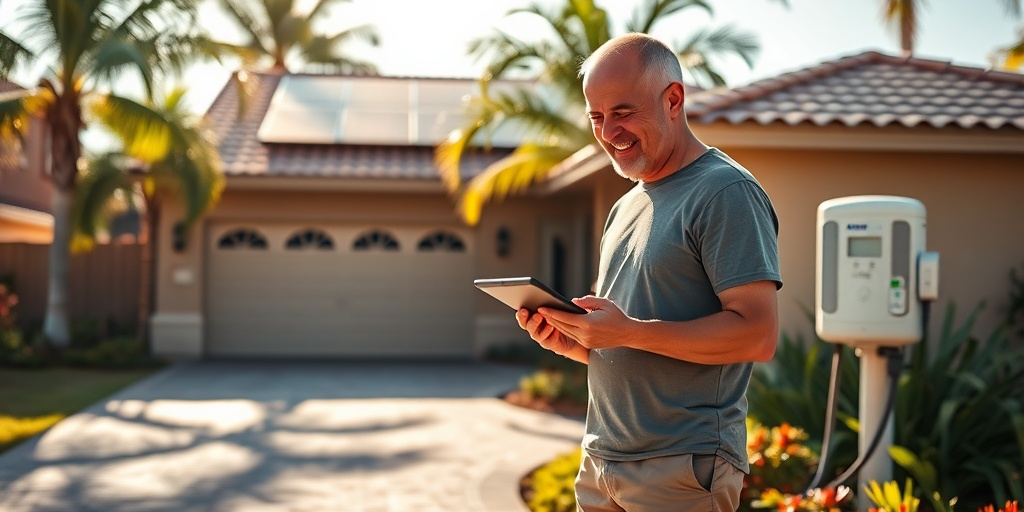
Imagine charging your electric vehicle (EV) while simultaneously slashing your energy bills. It sounds almost too good to be true. Yet, with the burgeoning advancements in solar technology, Florida homeowners in 2025 will have this very opportunity at their fingertips. According to recent findings, Florida ranks fourth in the U.S. for solar installations, experiencing a growth rate of over 25% in 2024 alone (SEIA.org). As electric vehicles gain traction—projected to make up 17 million units on America’s roads by 2030 (Energy.gov)— the synergy between solar energy and EV charging will become increasingly vital. This leads us to the critical question: What Florida Homeowners Ask About Solar EV Charger Installation? In this blog, we will explore the most pressing questions and concerns surrounding the installation of solar EV chargers, empowering you to make informed decisions that benefit both your finances and the environment.
Understanding the nuances of solar EV charger installation is urgent in 2025. With utility rates on the rise and new solar incentives rolling out, the need for energy-efficient solutions has never been more pronounced. This blog will cover the following sections: 1) An angled deep dive that includes a compelling case study and a checklist; 2) Myth-busting the common misconceptions surrounding solar EV chargers; 3) The best practices for installation specific to Florida homeowners; 4) A narrative exploring a local family’s journey to solar success; and 5) An action plan to get you started on your solar electric journey in 2025.
Why Florida Homeowners See Solar EV Chargers as the Future
Meet the Johnsons, a family of four residing in Orlando, Florida. Energy-conscious and environmentally driven, they were enthusiastic about the arrival of electric vehicles, but the prospect of their energy bills becoming exorbitant concerned them. They wanted a practical solution—one that could offer financial relief and environmental benefits. After thorough research, they discovered the potential of solar EV charger installation. This decision was not merely an upgrade; it represented a transformation in their energy landscape. This case study showcases their journey, highlighting key takeaways for homeowners considering a similar path.
- Step 1: Understand Your Energy Needs—Before committing to solar panels or an EV charger, the Johnsons evaluated their current energy consumption and that of their potential EV, which helped them tailor their installation.
- Step 2: Research Distance—Living in Florida means you’ll be driving frequently, and understanding your travel needs is crucial in selecting an EV with the right range for your family’s lifestyle.
- Step 3: Compare Solar Providers—They sought multiple quotes from local solar providers to find one that offered competitive pricing and high-quality service, ensuring they collaborated with a trusted expert.
- Step 4: Calculate Potential Savings—With the state’s solar incentives, including rebates and the potential to save on utility bills, the Johnsons took the time to analyze how much they could save over the solar system’s lifetime.
- Step 5: Monitor and Adjust—After installation, using apps and tools to monitor energy production helped the Johnsons understand their systems better and adjust their usage to maximize savings.
Yet, like many homeowners, the Johnsons had reservations. One prevalent detail was how sustainable energy could impact their lifestyle and expenses. They initially believed the installation would be too technical or expensive—misconceptions that can deter potential adopters. So let’s set the record straight and debunk some of these myths surrounding solar EV charger installations.
Myths About Solar EV Chargers—Setting The Record Straight
Myth #1: Solar EV chargers are too expensive and don’t save money.
While the upfront cost can be daunting, research reveals that the long-term savings will easily outweigh the initial investment. Many Florida solar providers can help you access federal tax credits and state incentives, reducing costs significantly (SEIA.org).
Myth #2: Installing a solar EV charger is too complicated.
In reality, the process is straightforward when you work with a reliable installer. They will handle all aspects of solar charger and panel setup, from permits to inspections, making it seamless for homeowners.
Myth #3: Solar energy is less efficient and can’t charge EVs quickly.
Modern solar technology has improved tremendously! Many solar charging systems can charge EVs as quickly, if not quicker, than traditional plug points, giving users the same convenience with added sustainability (SolarReviews.com).
Myth #4: I live in Florida; the sun is too unpredictable.
Florida boasts one of the country’s highest solar potentials, with sunny days all year round. Even during overcast days, solar panels can still generate electricity, making them a reliable source of power (Energy.gov).
Myth #5: EVs deplete my home’s electricity supply.
This belief stems from a misunderstanding of how solar energy works. With proper solar panel installation and battery storage, homeowners like the Johnsons strategically manage energy use, ensuring EV charging doesn’t increase their electricity bill.
Debunking these myths is vital in encouraging Florida homeowners to invest in solar technologies. By replacing misinformation with accurate insights—backed by statistics—we empower families to take that leap toward solar energy.
5 Expert Solar Installation Tips for 2025
Implementing solar technology can seem like a daunting task, but rest assured that the right approach can make the process effective and rewarding. Here are five expert tips for successful solar EV charger installation that Florida homeowners should consider in 2025:
- Tip #1: Plan for the Future. Consider not just your current energy needs but also future charging habits as you expand your electric vehicle options. A little foresight can save you headaches later.
- Tip #2: Choose High-Quality Components. Don’t skimp on crucial parts like inverters and battery storage. Investing in quality upfront can lead to more efficient energy production and better long-term savings.
- Tip #3: Engage with Professionals. Hiring certified installers ensures the job is done correctly, maximizing efficiency and compliance with all local regulations.
- Tip #4: Optimize Panel Placement. Correctly situating your solar panels involves analyzing shading, orientation, and roof inclination. Effective placement can make all the difference in energy production.
- Tip #5: Utilize Online Tools. Use applications to monitor your energy production and consumption. This data can help you adjust your behavior for maximum savings while providing peace of mind.
The right installation approach will not only yield energy savings but also turn your home into a sustainable landmark in the community. A well-planned system can result in considerable net savings on utility bills, cashing in on both economic and environmental returns.
The Johnson Family’s Transition to Solar: A Modern Tale
One year after the Johnsons embraced solar power and installed their EV charger, they couldn’t be more satisfied. Their energy bills have decreased by 75%, and their electric vehicle is charged efficiently from the solar panels on their roof. Let’s take a closer look at their journey and how they harnessed the sunny Florida climate for their benefit.
- Step 1: Conducting a Home Energy Audit—This process identified inefficient appliances that consumed power unnecessarily, prompting the Johnsons to replace them with energy-efficient alternatives.
- Step 2: Enrollment in a Local Solar Program—The Johnsons joined a community solar program specific to Florida that offered tailored pricing and incentives for solar panel installations.
- Step 3: Real-Wear Monitoring—With regular checks of their energy consumption data, the Johnsons were able to alter daily habits and scheduling, further reducing energy use and costs.
- Step 4: Community Engagement—The family actively engaged with local community groups and social media networks to share their experience and educate others about solar solutions.
After many discussions with neighbors and strong community engagement around energy efficiency, the Johnsons felt empowered. Their newfound knowledge motivated them to advocate for solar energy adoption in their neighborhood. This community-bonded approach encourages others to explore solar installations, contributing further to Florida’s clean energy mission.
Next Steps for Florida Solar Buyers in 2025
As your curiosity grows about going solar and installing an EV charger, consider following this actionable plan tailored for Florida homeowners in 2025:
- Step 1: Audit Your Electric Bill. Start by reviewing previous bills to determine your average energy consumption and where charging your EV fits into your routine.
- Step 2: Research Local Programs. Investigate state and local incentives, tax credits, or rebates available in your area for solar installation and EV chargers.
- Step 3: Assess Market Options. Obtain quotes from different solar providers in your area and check reviews on their work quality to select a reliable contractor.
- Step 4: Plan for Installation Timing. Consider the best time of year for sunlight availability, and schedule your installation to coincide with sunny seasons for more effective set-up.
- Step 5: Monitor Your System. After installation, regularly check your solar energy production to maximize efficiency and catch any potential issues early.
By laying out these steps, we reduce barriers and empower homeowners like the Johnson family to take the ultimate step toward energy independence in 2025. If you’re ready to reap the rewards of solar energy, you’ll want to connect with experts who can walk you through the process.
In conclusion, the synergy between solar energy and electric vehicle charging is not just a trend; it represents the future of energy efficiency for Florida homeowners. Throughout our exploration of common queries and concerns, we learned how to debunk myths, identify best practices, and position ourselves for the shift toward solar power. The economic and environmental benefits are undeniable, especially as we approach a world increasingly dependent on clean energy. Together, we can transform our homes and communities while securing a significant financial advantage.
Ready to start your solar journey in 2025? Connect with a certified expert at floridaelectricandsolar.com today.
Related Articles
More insights about EV Charger

Florida Homeowners Exploring EV Charger Installation Benefits

Beginner’s Guide to Understanding EV Charger Installation for Homeowners

What Florida Homeowners Should Know About EV Charger Installation
Ready to Go Solar?
Have questions about solar energy? Our experts are here to help you make the switch to clean, renewable energy.