
Beginner’s Guide to Understanding EV Charger Installation for Homeowners
Share:
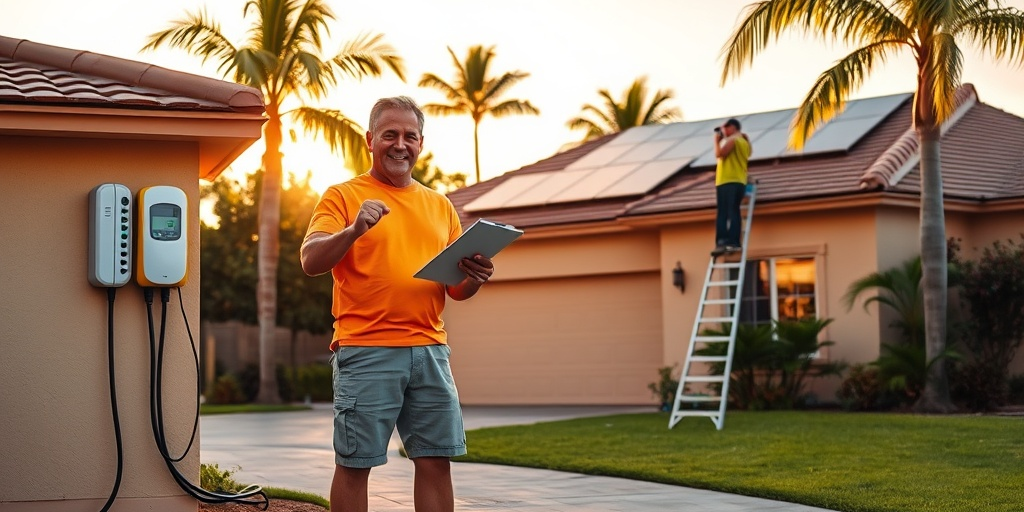
As electric vehicles (EVs) rapidly gain traction across the United States, they’re transforming how we think about energy consumption and environmental sustainability. In fact, recent studies have shown that EV sales are expected to exceed 20 million by 2025, which highlights the urgent need for EV charger installations—especially for homeowners looking to transition to greener energy solutions (Energy.gov). If you’re a Florida homeowner considering this shift, you’re not alone; experts predict that by 2025, nearly 50% of all new cars sold in Florida will be electric (SEIA.org). That’s why today’s topic, titled “Beginner’s Guide to Understanding EV Charger Installation for Homeowners”, is so vital.
In this guide, we’ll not only explore the various aspects of EV charger installation, but we’ll also equip you with the knowledge to maximize your savings and efficiency. With rising energy costs and new incentives available for homeowners looking to install solar power solutions in 2025, it’s essential to get informed now. This guide is designed to demystify EV charger installations and put you on the path to smarter home energy management. Here’s what you can expect to learn from the upcoming sections:
Section 1: We’ll share a compelling case study about a Florida homeowner who successfully installed an EV charger.
Section 2: A comprehensive checklist to help you navigate the installation process.
Section 3: We’ll tackle common myths surrounding EV chargers and solar energy.
Section 4: A technical deep dive on local regulations and policies in Florida.
Section 5: Finally, we’ll provide a detailed action plan to guide you through making the most of your investment.
Section 1: The Electric Vehicle Charger Case Study
Meet Rob and Lisa, a couple from Orlando, Florida, who decided to go electric to contribute to a cleaner environment and cut their rising gas expenses. With two kids and busy schedules, they found themselves driving to soccer practices, school events, and weekend road trips—all needing reliable transportation. Frustrated with fluctuating gas prices and its tremendous environmental impact, they dove into the world of electric vehicles. Yet there was one critical question they needed to answer: where would they recharge their new EV?
After researching, they opted to install an EV charger at their home. They wanted the peace of mind of knowing they could charge their vehicle conveniently overnight. But first, they had to determine the right type of charger. There are primarily two types of EV chargers: Level 1 and Level 2. Level 1 chargers plug into standard outlets and charge slowly, while Level 2 chargers, which can fully charge an EV in a few hours, need to be installed by a professional.
In Rob and Lisa’s case, the upfront cost was around $1,200 for the Level 2 charger plus installation. However, with a local utility rebate of about $500 and potential savings on gas, they could recoup their investment in fewer than two years (SolarReviews.com). Moreover, with the pairing of their solar system generating clean energy during the day, their cost to charge the EV expanded on their eco-friendly pursuits. Their bills started to trend downwards—savings of around 40% annually on energy costs were realized—a factor that left them exhilarated.
The installation process involved consulting with a qualified electrician familiar with Florida’s regulations and permitting processes. They also had to consider potential electrical upgrades in their home to support the charger’s installation. Fortunately, Florida offers a wide range of incentives for homeowners installing such energy-saving stations, including the federal tax credit for residential solar systems, which can further boost your savings.
Rob and Lisa installed their charger and discovered that having an EV charger in their home significantly boosted their property value. The market saw a visible increase in demand for homes equipped with chargers as residents grow more conscious about their environmental impact. The homeowners felt secure knowing they made a financially sound decision while contributing to a sustainable future.
Checklist for Charger Installation:
1. **Research**: Understand the types of chargers available and decide which is suitable for your needs.
2. **Consult an Electrician**: Get professional advice on local regulations and inspect your home’s electrical capability.
3. **Applied Incentives**: Take advantage of federal and state incentives to cut down installation costs.
4. **Choose the Right Location**: Aim for a spot that allows easy access to your driveway, minimizing extension cords.
5. **Maintenance**: Schedule yearly check-ups to ensure efficiency and safety.
As Rob and Lisa’s experience shows, investing in an EV charger not only improves your lifestyle but can also contribute to increasing home values and making smart energy choices. Next, let’s expand on some common myths that might deter homeowners from making the leap to go solar and install EV chargers at home.
Section 2: Debunking Common EV Charger Myths
In 2025, you may find yourself delving into the world of electric vehicles and EV chargers. However, before making that decision, it’s imperative to clear any misconceptions surrounding this technology.
Myth #1: EV chargers are too expensive to install.
Many potential buyers hesitate due to perceived high installation costs, averaging $1,200. Yet, numerous incentives are available in Florida that can cut this number drastically (Energy.gov). When coupled with savings on gas, electric vehicle owners typically see a full return on their investment in just a couple of years.
Myth #2: Charging an EV takes too long.
While it’s true that Level 1 chargers are slower, a Level 2 charger can fully charge your vehicle in just a few hours—often overnight while you sleep. In most cases, this is completely feasible for the demanding schedules of today’s homeowners.
Myth #3: EVs don’t have enough range.
Today’s electric vehicles now boast ranges exceeding 300 miles on a single charge, which comfortably accommodates most daily driving needs (SEIA.org). Whether commutes or weekend trips, the barriers to range anxiety are being knocked down.
Myth #4: There aren’t enough charging stations.
Florida is investing heavily in EV infrastructure and aims to have thousands of public charging stations installed by 2025. The growth of charging networks will enhance the convenience of owning an electric vehicle (NREL.gov).
Myth #5: Solar energy isn’t reliable.
This misconception couldn’t be further from the truth. Solar energy remains one of the fastest-growing energy sources in the U.S., with numerous technologies ensuring performance throughout different weather conditions. Coupled with energy storage solutions, solar can consistently provide the power you need (Energy.gov).
Understanding the truth behind these myths can empower you to make informed decisions as a Florida homeowner. Start your journey with confidence, as solar power and EV charging pave the way toward a more sustainable and economically viable future. If you’re looking for an in-depth consultation or installation service, feel free to visit floridaelectricandsolar.com.
Next, let’s go deeper into best practices for your solar installation to maximize your benefits.
Section 3: 5 Expert Solar Installation Tips for 2025
Ready to install solar panels alongside your EV charger? There’s a wealth of strategies to ensure you maximize your investment. Here are five expert tips to get you going.
Tip #1: Don’t Skimp on Panel Quality.
Not all solar panels are created equal. Opt for brands with strong warranties and proven performance statistics. Look for panels that have at least a 25-year warranty to ensure efficiency over the long term.
Tip #2: Optimize Panel Placement.
Work with your installer to assess which areas of your roof receive maximum sunlight throughout the day. Avoid placing panels in shaded areas to boost your energy production significantly.
Tip #3: Invest in a Smart Inverter.
Pairing your solar system with a smart inverter allows for real-time monitoring, enabling you to maximize your energy yield. Additionally, many modern inverters can integrate directly with EV chargers for seamless performance.
Tip #4: Explore the Net Metering Option.
If your state offers net metering, you can save significantly on utility bills by sending excess energy back to the grid. Ensure that your system is set up correctly to take full advantage of this incentive (SEIA.org).
Tip #5: Plan for Future Expansion.
Consider your future energy needs. Should you decide to add more solar panels or even an energy storage system, discuss options with your installer ahead of time. A modular design will save you in time and effort when the time comes (SolarReviews.com).
Certainly, these strategies will help you maximize your benefits when integrating solar power and EV charging stations into your home. Stay tuned; next we’ll dive into the unique factors impacting Florida homeowners as they navigate energy options.
Section 4: The Florida Energy Landscape for Homeowners
As a Florida homeowner, the energy landscape presents distinct advantages and challenges for going solar and installing EV chargers. Understanding these factors is crucial for making an informed decision as you consider the transition.
In 2025, Florida will likely expand its renewable energy goals and related incentives in response to federal mandates. For instance, by then, solar energy is projected to account for nearly 20% of Florida’s total energy generation (NREL.gov). This shift towards sustainable energy sources offers a golden opportunity for homeowners like you.
Here’s a look at some key components to consider:
1. **State Incentives**: Florida has programs such as the Solar and Energy Loan Fund (SELF) designed to help homeowners finance solar electric systems and energy-efficient improvements.
2. **Favorable Solar Policies**: The state is known for its supportive solar net metering policies, where homeowners can receive credit for excess energy produced. This allows you to mitigate electric expenses seamlessly.
3. **Reliability of Grid**: Florida’s weather and geographic features can impose challenges, such as hurricanes. Therefore, investing in battery storage to back up your home energy is advantageous to safeguard against outages and ensure consistent energy availability.
4. **EV Infrastructure Growth**: The growth of public charging stations in Florida shows the state’s commitment to electrifying transportation, simplifying the charging process for residents in urban and rural areas alike.
5. **Increased Home Value**: Studies suggest that homes equipped with solar systems and EV charging capacities retain higher market values—a vital aspect for any homeowner considering a sale down the line (SEIA.org).
Recognizing Florida’s distinct energy landscape can empower your decision-making process as you embark on integrating EV chargers and solar energy systems into your home. Finally, let’s tie everything together with an actionable plan to streamline your transition.
Section 5: Next Steps for Florida Solar Buyers in 2025
As we conclude, taking these crucial steps will set you on the right path to realizing the benefits of solar and electric vehicle technology. Embrace your journey towards sustainable living with this practical action plan.
Step 1: Audit Your Electric Bill.
Review your current energy consumption to understand your usage patterns and identify areas where energy savings can be achieved.
Step 2: Research Available Incentives.
Look into federal and state incentives, such as tax credits and local rebates for solar systems and EV chargers.
Step 3: Consult with Experts.
Reach out to certified solar installers and EV charger specialists to get tailored advice on the best options for your home.
Step 4: Choose Equipment Wisely.
Select high-quality solar panels, inverters, and EV chargers that suit your needs and budget.
Step 5: Maintain Your Systems.
Once installed, schedule regular maintenance checks to ensure optimal performance and longevity of your solar and EV systems (SolarReviews.com).
By following these steps, you’ll be well on your way to enjoying the rewards of a solar-powered lifestyle while charging your electric vehicle conveniently at home. The future of energy-efficient living is at your fingertips, so take action today.
In conclusion, if you’re considering adding an EV charger and solar panels to your home, you’re not just making an environmentally conscious decision but a wise financial choice. You can ensure long-term savings, contribute to a healthier planet, and possibly increase your home’s value.
Ready to start your solar journey in 2025? Connect with a certified expert at floridaelectricandsolar.com today.
Related Articles
More insights about EV Charger

What Florida Homeowners Ask About Solar EV Charger Installation

Florida Homeowners Exploring EV Charger Installation Benefits

What Florida Homeowners Should Know About EV Charger Installation
Ready to Go Solar?
Have questions about solar energy? Our experts are here to help you make the switch to clean, renewable energy.