
7 Essential Steps for Choosing the Right Inverter
Share:
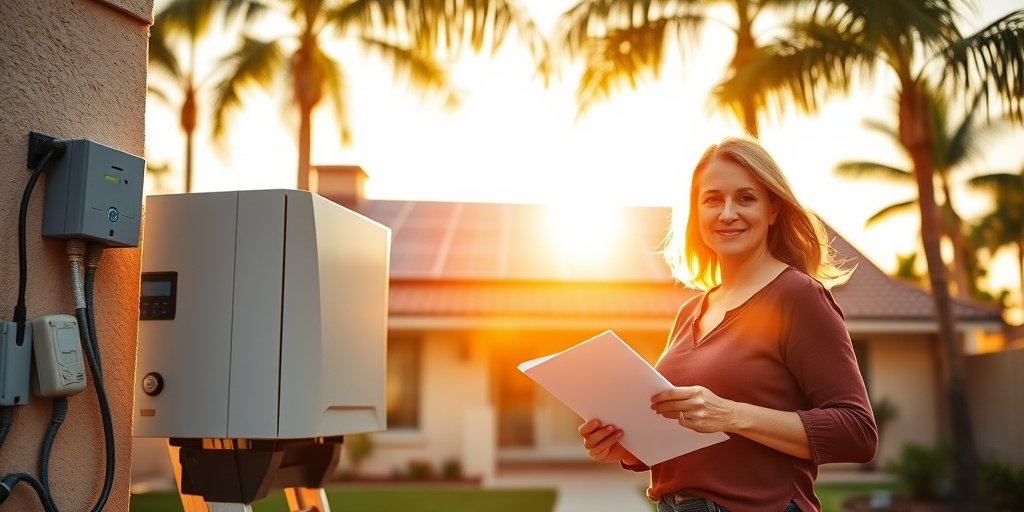
Imagine watching your electricity bills plummet during the sun-drenched Florida summers, basking in the satisfaction of knowing you’ve made a sustainable and economically savvy decision for your home or business. With solar energy adoption rapidly rising across the Sunshine State, savvy Florida homeowners are increasingly recognizing the incredible potential of harnessing the power of the sun. In fact, as of 2022, Florida ranked third in the nation for solar power installation, a title that highlights the growing interest among its residents (SEIA.org). Yet, amidst the rising allure of renewable energy, a crucial aspect of solar systems often goes overlooked: choosing the right inverter. This decision is pivotal for ensuring optimal performance and substantial savings on your utility bills. In this blog post titled “7 Essential Steps for Choosing the Right Inverter,” we will guide you through the vital steps to make an informed choice. With rising energy costs and the advent of new tax incentives for solar installations in 2025, now is the perfect time to invest in solar technology that aligns with your energy needs and financial goals. In this article, we will explore an engaging case study, a comprehensive checklist of essential inverter selection steps, prevalent myths surrounding solar inverters, a local focus with Florida-specific data, a technical deep-dive into inverter technology, and a clear action plan that puts you on the path to solar success. Buckle up for an enlightening journey to demystify the inverter selection process!
Understanding the Importance of Inverter Selection
Choosing the right inverter for your solar energy system is akin to selecting the right engine for a high-performance sports car; both choices dictate efficiency and overall output. Inverters play a crucial role in converting the direct current (DC) produced by solar panels into alternating current (AC), which powers your home. Therefore, the inverter’s quality, compatibility, and features can significantly impact your system’s performance and longevity.
Let’s delve into a real-world example of how the right inverter choice can shape your solar experience. Meet Dave, a dedicated Florida homeowner who made the jump to solar energy in early 2025. Faced with rising utility costs and a desire for energy independence, he consulted the experts at Florida Electric & Solar. Dave learned that selecting an inverter is a critical step, as it affects efficiency, reliability, and even warranty coverage.
- Step 1: Determine your energy needs by analyzing past energy bills and projecting future consumption, considering the scalability of your energy goals.
- Step 2: Research different inverter types available, such as string inverters, microinverters, and power optimizers, each offering unique benefits for various installations.
- Step 3: Investigate the efficiency ratings of potential inverters to ensure they convert as much solar energy into usable power as possible.
- Step 4: Evaluate the reliability of manufacturers and their inverters using warranty information, customer reviews, and industry ratings.
- Step 5: Confirm the compatibility between your inverter and solar panels to avoid potential underperformance or technical issues.
As Dave embarked on his solar journey, he encountered several pervasive myths surrounding inverter technology that he needed to navigate. For instance, one common notion is that higher wattage always means better performance, which isn’t always true. The actual output depends on various factors, including panel alignment, shading, and inverter efficiency.
In 2025, Florida homeowners will also benefit from specific local incentives designed to promote solar adoption. According to the Florida Solar Energy Center, participating in programs designed to maximize your investment can lead to substantial savings and optimal performance (FSEC.edu).
Essential Steps for Choosing Your Inverter
Choosing the right inverter isn’t just a box-checking exercise; it requires careful consideration of your current and future energy needs. Here is a handy checklist to help guide your inverter selection process.
- Step 1: Analyze Your Energy Consumption
Before diving into the technical features of inverters, evaluate your household or business’s energy usage patterns. Look back at your electricity bills to understand your average monthly consumption, identifying peak usage months, and consider your long-term energy goals, including potential electric vehicle ownership or additional appliances. This will help gauge what size and type of inverter you’ll need to accommodate your future needs. - Step 2: Choose the Right Inverter Type
Solar inverters come in different configurations, primarily string inverters, microinverters, and power optimizers. String inverters are cost-effective and suitable for straightforward installations, while microinverters and power optimizers offer better performance on shaded roofs or complex configurations. Assess your roof’s layout and shading to determine which inverter type will bring the highest efficiency. - Step 3: Examine Inverter Efficiency Ratings
Not all inverters are created equal! Investigate the efficiency percentages of available models as this metric reflects how much sunlight is converted into consumer-ready electricity. Industry-standard efficiencies typically hover around 95-98%. Selecting an inverter with a higher efficiency rating contributes to lower energy bills and maximized energy production. - Step 4: Consider Manufacturer Reliability
Not all brands hold the same stature in the market. Research inverter manufacturers, examining warranties, customer reviews, and service records. A strong warranty provides peace of mind, ensuring coverage over potential issues that may arise over years. Look for manufacturers with a track record of reliability and customer support. - Step 5: Ensure Compatibility with Your Solar System
An incompatible inverter, much like a mismatched puzzle piece, can lead to inefficiencies or technical problems. Confirm that your selected inverter aligns with your specific solar panel model and system design. Consulting your solar installer or contractor is essential to ensure compatibility before finalizing your decision.
By following these essential steps, you’ll position yourself for solar success while avoiding common pitfalls. Choosing the right inverter is not just about technology; it’s about maximizing the benefits of your solar investment here in the Sunshine State.
Homeowners like Dave learned to navigate these challenges, but he had the support of expert guidance. For further insights and personalized advice tailored to the Florida market, visit floridaelectricandsolar.com.
Debunking Common Inverter Myths
Despite the growing interest in solar power, numerous myths about inverters can cloud the decision-making process. Here are five myths that need to be dispelled to help you make a better choice:
- Myth #1: “All inverters are the same.”
This commonly held belief drastically underestimates the variety in technology and efficiency levels among inverter brands and models. Variations in efficiency ratings, warranties, and technologies can greatly impact long-term performance and reliability. - Myth #2: “Higher capacity guarantees better performance.”
More power doesn’t always equate to more efficiency. Performance hinges on multiple aspects including panel orientation, shading effects, and inverter quality; hence, it’s essential to focus on peak efficiency ratings rather than raw capacity alone. - Myth #3: “I can install any inverter myself.”
While DIY projects can be fulfilling, solar installations are technology-rich setups requiring specialized knowledge. Incorrect installation can void warranties and reduce performance drastically. It’s crucial to hire a qualified installer familiar with Florida’s specific regulations and standards. - Myth #4: “Once installed, I don’t need to monitor my inverter.”
Keeping an eye on your inverter’s performance is essential to ensure your system runs efficiently and identify potential issues. Monitoring systems can notify you of underperformance or technical problems before they escalate. - Myth #5: “I don’t need to consider warranties.”
The warranty of an inverter shouldn’t be an afterthought. A robust warranty reflects the manufacturer’s confidence in their product and can save homeowners significant costs associated with repairs or replacements. Look for warranties offering 10-25 years of coverage.
By debunking these myths, Florida homeowners can make informed decisions when it comes to selecting the right inverter for their solar energy systems. A wealth of misinformation can overwhelm potential buyers, but sticking to the facts ensures that you are equipped to make empowered choices.
Best Practices for Solar Installation in 2025
Ensuring the best solar installation experience requires adhering to a defined set of best practices, especially as solar technologies and market dynamics evolve. Here are five expert tips to keep in mind as you embark on your solar journey in 2025.
- 1. Don’t skimp on professional assessment.
Proper planning starts with getting an accurate assessment of your energy needs and roof characteristics. Engage a professional to evaluate your property and identify optimal solar installation strategies that suit your specific requirements. - 2. Prioritize top-tier components.
Optimize your solar investment by selecting high-quality solar panels, inverters, and other components. The initial investment pays off in the long run through heightened efficiency and dependability. - 3. Consult about available incentives.
Stay informed about local rebates and federal tax incentives. With the federal government aiming to boost solar adoption, understanding available financial support options can substantially reduce your investment costs. - 4. Plan for future growth.
Consider your potential future energy needs, such as expanding your home’s electrical load or incorporating electric vehicle charging. Choosing scalable solutions will allow you to adapt to changing needs without undergoing extensive upgrades. - 5. Stay engaged with your system.
After installation, actively monitor your solar system and seek regular updates from your installer. Open lines of communication can help avoid potential issues, ensuring that you are reaping maximum returns from your investment.
Implementing these best practices will place you on the right trajectory towards maximizing your solar savings. The Florida solar market is dynamic, and staying alert to new developments and strategies can further enhance your journey in solar power.
A Florida Homeowner’s Solar Journey
To paint a vivid picture of the importance of proper inverter selection, let’s follow Michelle, another Florida resident who embarked on her solar journey in 2025. She too wanted to lower her energy bills and contribute to a greener environment. After conducting her thorough research and engaging with professionals from Florida Electric & Solar, she committed to the solar project.
Here are the steps she took:
- Identifying her energy use: Michelle reviewed her past electric bills and recognized she consumed about 1,200 kWh monthly. She calculated that this demand would require a system designed to cover approximately 100% of her consumption.
- Choosing the inverter type: She opted for microinverters, primarily because her roof had some shading from nearby trees, allowing her to maximize solar production despite potential obstacles.
- Evaluating efficiency: Michelle compared models and found that her selected microinverter operated at an efficiency rating of 97%, ensuring she made the most of her solar investment.
- Considering the manufacturer: After researching, she chose a brand with a strong reputation for reliability and a warranty extending 25 years, providing her peace of mind for years to come.
- Verification with her solar installer: Understanding the importance of compatibility, Michelle confirmed that her chosen panels would work seamlessly with her selected microinverters.
Michelle’s thoughtful approach led to a successful installation process, and she quickly began to see the impact on her monthly utility bills. Watching her energy savings accumulate was not only exciting but also validating, as she was contributing to a cleaner environment.
With strategic planning and clear focus on inverter selection, Florida homeowners like Michelle successfully navigate the complex world of solar energy. You too can duplicate this success story.: For expert insights tailored to your lifestyle, contact floridaelectricandsolar.com.
Next Steps for Florida Solar Buyers in 2025
If you’ve made it this far, you’re likely enthusiastic about investing in solar energy. Here’s a pragmatic checklist that outlines your next steps for choosing the right inverter as you explore the exciting world of solar energy:
- Step 1: Audit Your Electric Bill
Gather your past utility bills for analysis to determine your average monthly consumption and peak usage times. Factor in your future energy needs to build a comprehensive assessment that will inform your solar choices. - Step 2: Research and Interact with Reputable Installers
Consult multiple solar installers to compare estimates and services. Look for those with credible experience and customer testimonials to ensure quality and competence in their work. - Step 3: Learn About Available Incentives
Stay informed on local and federal incentives promoting solar energy adoption. Programs may vary, so diving deep can save you significant upfront investment costs. - Step 4: Assess and Select Your Inverter Carefully
Spend ample time ensuring that the inverter you choose matches your energy demands, panel compatibility, and efficiency standards. Leverage the detailed checklist provided here to guide your decision. - Step 5: Finalize Your Solar Installation
Once you’ve chosen your solar system components and installers, finalize the details, coordinate installation timelines, and prepare for the transition to solar energy.
Transitioning to solar energy empowers you not only to cut costs but also to take control of your power environment and contribute to a sustainable future. Navigating the process may seem daunting at first, but with the insights gained from this guide, you are well-equipped for the journey ahead.
In a season of transformative change for solar energy in 2025, remember that the choices you make today echo through the years ahead. Ready to start your solar journey in 2025? Connect with a certified expert at floridaelectricandsolar.com today!
Related Articles
More insights about Inverter

5 Critical Steps for Choosing the Right Inverter

7 Essential Tips for Choosing the Right Inverter

Technical Deep-Dive: Choosing the Right Inverter for Your Solar System
Ready to Go Solar?
Have questions about solar energy? Our experts are here to help you make the switch to clean, renewable energy.