
Essential Expert Insights on EV Charger Installation for Your Home
Share:
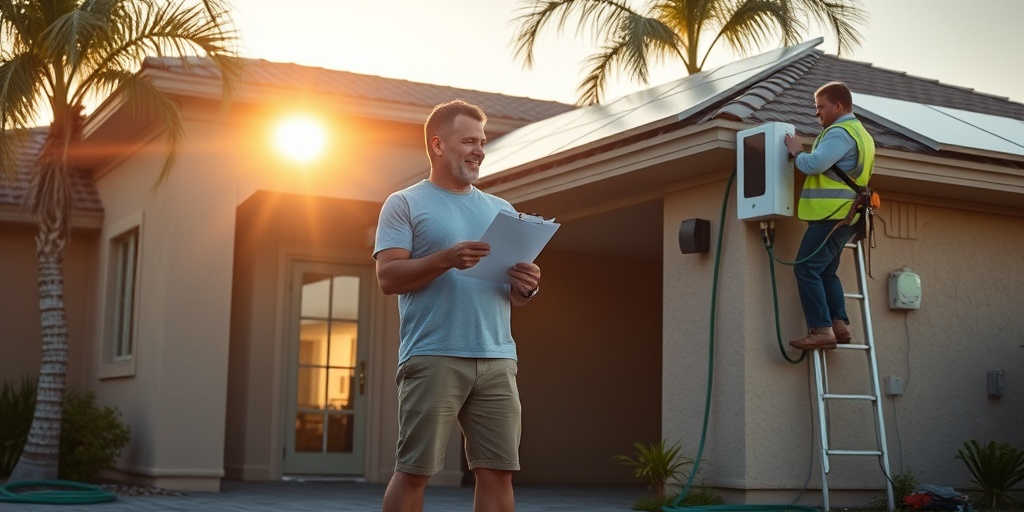
In a world where sustainability and energy independence are becoming more critical, Florida homeowners are increasingly considering the installation of electric vehicle (EV) chargers at home. Did you know that as of 2023, nearly 70% of new car sales in California are projected to be electric vehicles (EVs) by 2030, marking a significant shift in consumer behavior? With electrification of transportation on the rise, preparing for this change through proper EV charger installation is vital. This is why our blog, titled Essential Expert Insights on EV Charger Installation for Your Home, aims to shed light on this essential aspect of home energy innovation. As energy prices are expected to rise in 2025 and incentives for solar energy integration are about to be enhanced, this topic is more urgent than ever. Let’s explore the various dimensions of EV charger installations, including the technical and practical steps necessary to set up your home for electric vehicle ownership.
In the subsequent sections, we will delve into five key areas of focus:
- A compelling case study demonstrating the benefits of home EV charger installation.
- An actionable checklist providing step-by-step guidance for the installation process.
- Common myths surrounding EV chargers that need to be debunked.
- A local focus on Florida’s unique energy environment and available resources.
- A technical deep dive examining how to choose the right charger for your needs.
Real-World Impact of EV Charger Installation: A Homeowner’s Journey
Imagine a sunny day in Orlando, where a homeowner named Susan has just made the bold decision to switch to an electric vehicle after years of driving a gas-guzzler. With a deep commitment to sustainability, she also dreams of contributing to a cleaner environment. However, as her delivery date for the new Tesla approached, Susan realized there was one crucial piece missing: an EV charger installed right in her own garage.
Leading up to the decision, Susan conducted comprehensive research. She learned that approximately 80% of EV charging occurs at home (Electric Vehicle Charging Association), making it essential to set up an efficient charging station. After consulting with Florida Electric & Solar, she realized she could connect the EV charger to her existing solar energy system, drastically reducing her energy costs while making her travel more sustainable. To add to that, she discovered that the state of Florida offers numerous incentives for residential solar and EV charger installation, making it financially feasible. This not only saved Susan money upfront but also positioned her to benefit from ongoing savings as electricity rates climb.
Throughout her installation journey, she conducted an EV charger installation checklist:
- Assess your electrical capacity: Evaluate if your home’s electricity can handle the additional load.
- Select the right EV charger: Research various brands, and ensure compatibility with your vehicle.
- Choose a qualified installer: Look for licensed professionals with experience in EV installations.
- Plan for location: Position the charger conveniently for easy access.
- Connect to your home solar system: Explore how your solar panels can power your charger during the day.
As Susan embarked on this journey, she realized she wasn’t just reducing her electric bills; she was becoming part of a larger movement towards sustainable living. With 45% of Florida homeowners indicating they want to invest in green technology (Florida Energy Commission), Susan felt inspired to advocate for others thinking about making a similar transition.
In addition to her newfound knowledge and savings, Susan debunked a few myths about electric vehicle ownership and charging:
- Myth #1: Charging an EV takes forever. – In reality, Level 2 chargers charge at an average of 25 miles per hour, drastically faster than most believe.
- Myth #2: Charging at home is expensive. – In fact, with a solar energy system, the cost to ‘fuel’ your electric car can be significantly lower than traditional gas.
- Myth #3: Installing a charger is complicated. – Most installations complete in under four hours with the right professional help.
Through a combination of diligent research and proactive steps, Susan transformed not only her own energy consumption but also inspired her community. The integration of solar energy and electric vehicle usage isn’t just a trend; it’s a reality for many Florida homeowners aiming for a sustainable future. Now, more than ever, embracing this change is essential.
Unpacking the Installation Process: Your Essential Checklist
Getting an EV charger installed at home may seem overwhelming, but planning ahead and following a checklist can streamline the process considerably. Here’s a valuable checklist to guide you:
- Step 1: Evaluate Your Current Electrical System
Before initiating installation, assess your home’s electrical capability to support an EV charger. Consult with a licensed electrician to check if your existing panel can handle the additional load and if upgrades are necessary. - Step 2: Choose the Right Charger
Not all EV chargers are created equal. Look for Level 2 chargers, which are the best for home use, providing rapid charging at 240 volts. Ensure compatibility with your vehicle make and model. - Step 3: Identify Installation Location
The installation site is crucial. Ideally, place it close to your EV’s parking spot to avoid extension cords. A garage or carport provides ideal conditions to shield the charger from weather elements. - Step 4: Hire a Qualified Installer
Choose a licensed electrician or specialized installer experienced in EV charger deployments, especially those familiar with local regulations and permits. - Step 5: Seek Tax Credits and Rebates
Before installation, research potential tax credits and local incentives available for both the charger and the associated solar energy system. Florida provides incentives that may save you hundreds on installation.
As you embark on this journey, remember that you’re not just investing in a piece of hardware; you are preparing for the future of energy independence. As electric car sales continue to rise—with a projected increase of over 30% year-on-year (SEIA.org)—having your charger at home could mean the difference between easing your commute or remaining tethered to pricey gas stations.
Debunking Myths: The Truth About EV Chargers
It’s essential to approach any type of home installation with a clear understanding of the facts. There are some prevalent myths surrounding EV charger installations that may deter potential users. Here, we’ll unpack and dispel some of the biggest misconceptions:
- Myth #1: All chargers are the same. – In truth, not all chargers offer the same efficiency or features. High-quality Level 2 chargers can significantly boost charging speed compared to cheaper options.
- Myth #2: Home EV chargers are too expensive. – Many funding programs and rebates exist to reduce the initial costs of chargers, especially when paired with solar initiatives.
- Myth #3: They’re hard to maintain. – Home charging units require minimal maintenance aside from keeping them clean and ensuring they are working correctly.
Addressing and debunking myths is crucial because misinformation can stall a homeowner’s journey towards energy independence. Knowledge empowers decisions, helping you to own your energy consumption while contributing to your community’s sustainability initiatives.
Florida’s Energy Landscape: The Local Advantage
Florida is uniquely positioned to thrive in the renewable energy movement. With over 260 sunny days per year, it stands as one of the nation’s leaders in solar energy potential. Florida ranks third in the United States for total solar capacity installed, making it a prime market for both solar power and associated technologies like EV chargers (SolarPowerWorld.com).
When considering the installation of an EV charger, Florida homeowners can take advantage of several local incentives, including:
- Rebates: Check for state rebates that can significantly offset the cost of charger installation.
- Tax Credits: Federal and state tax credits can help reduce the upfront costs of both EV chargers and solar energy systems.
- Growing Installer Network: A variety of local installers are now offering comprehensive packages for solar and EV charging, providing options for customized solutions.
Moreover, with new legislation continuously emerging aimed at enhancing Florida’s energy landscape, homeowners are encouraged to stay informed about upcoming initiatives that could benefit their solar and EV journeys. For example, with the recent bill passage allowing additional funding for residential energy initiatives, homeowners can install their EV units at a fraction of the cost while maximizing their solar usage.
Next Steps for Successful EV Charger Installations
For Florida homeowners looking for action and implementation, here’s a step-by-step guide:
- Audit Your Current Electric Bill: Understand your energy use and see how an EV charger can fit into your expenses.
- Research Available EV Chargers: Look for brands with customer satisfaction ratings and features that align with your needs, especially regarding speed and safety.
- Get Competitive Quotes: Solicit multiple quotes from different licensed electricians to ensure you achieve the best prices and services.
- Prepare for Installation: Clear the designated area for the EV charger and prepare for the installation process.
- Connect with Professionals: As your installation date approaches, keep in close contact with your installer to finalize any details and expectations for your new system.
Always remember, embarking on your solar and EV journey not only enhances your energy efficiency but also contributes substantially to lowering your carbon footprint while saving money in the long run. As a Florida homeowner, 2025 will mark a pivotal year with new initiatives and upcoming incentives that can significantly ease your installation path.
In summary, navigating the installation of an electric vehicle charger is far more than a simple home improvement task—it’s a crucial step towards an energy-efficient future. As Susan discovered in her journey, the synergy between solar power and EV charging not only transforms individual households but contributes to a collective movement aimed at sustainability, innovation, and environmental responsibility. It’s time to take action.
Ready to start your solar journey in 2025? Connect with a certified expert at floridaelectricandsolar.com today.
Related Articles
More insights about EV Charger

What Florida Homeowners Ask About Solar EV Charger Installation

Florida Homeowners Exploring EV Charger Installation Benefits

Beginner’s Guide to Understanding EV Charger Installation for Homeowners
Ready to Go Solar?
Have questions about solar energy? Our experts are here to help you make the switch to clean, renewable energy.