
10 Critical Steps for a Successful EV Charger Installation
Share:
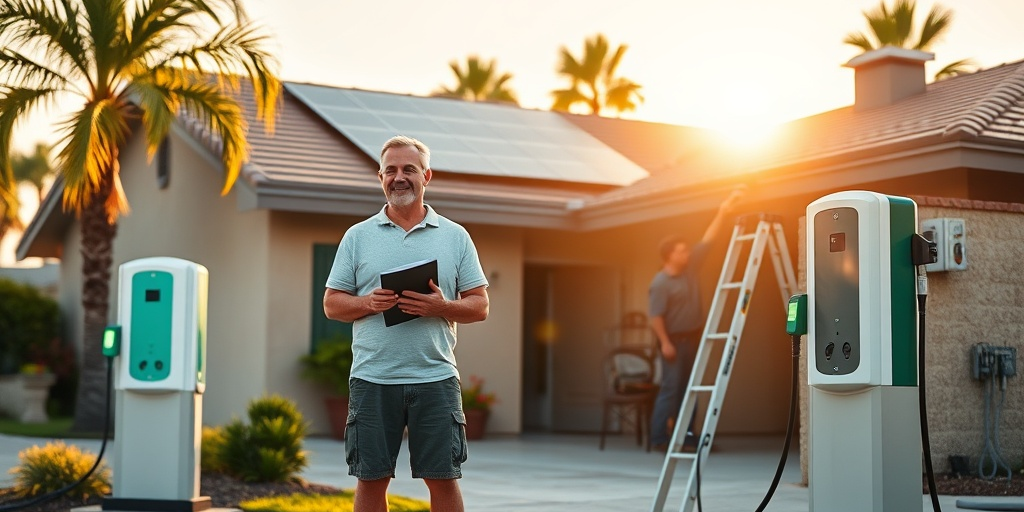
Is your home prepared for the electric vehicle (EV) revolution? With EV sales exceeding 6% of total vehicle sales in the U.S. in 2022 (SEIA.org), and forecasts predicting that figure could rise to 20% by 2025, the demand for efficient EV charging solutions is greater than ever. As Florida homeowners, it’s crucial to act decisively, as the installation of a solid EV charger can significantly enhance convenience and cost-effectiveness. That’s why this article is packed with insights on the “10 Critical Steps for a Successful EV Charger Installation.”
In 2025, Florida is projected to see a 14% increase in electric vehicle adoption (Voltaho.com), emphasizing the need for effective home charging solutions to maximize savings and efficiency for your electric vehicle. Understanding how to navigate this installation process is essential for streamlining your transition to renewable energy sources, reducing your carbon footprint, and cutting electric bills.
In this comprehensive guide, we will cover five crucial sections, including exploring a real-life case study, presenting a detailed checklist, debunking common myths, focusing on Florida-specific considerations, and diving into the technical aspects of installation. By the end of this article, you’ll be equipped with the knowledge necessary to successfully install your EV charger at home, while maximizing its potential for savings and efficiency.
Section 1: Case Study of Successful EV Charger Installation
Meet Lisa and Tom, a young couple living in sunny Tampa, Florida. Like many residents, they decided to purchase an electric vehicle to contribute to the fight against climate change. Upon selecting a Tesla Model 3, they faced their first challenge: installing an EV charger at their home. With no prior experience, Lisa and Tom turned to local solar companies. They were determined to ensure their installation was efficient and effective.
After reaching out to several installation companies, they found Florida Electric & Solar, who guided them through each step. Their journey of installing a Level 2 home charger had five critical steps, which ensured they maximized savings and efficiency:
- Step 1: Assessing electrical capacity. The couple learned that their home’s electrical system capacity was sufficient to handle the extra load of an EV charger, which is fundamental for a successful installation.
- Step 2: Choosing the right location. Florida Electric & Solar helped them decide on the most convenient and efficient position for the charger, considering proximity to their parking space and accessibility.
- Step 3: Selecting the right charger. The couple opted for a 40-amp level 2 charger, which can provide up to 30 miles of range per hour of charging, making it perfect for their daily needs.
- Step 4: Scheduling installation. They quickly booked a convenient date for the installation and were impressed by the team’s professionalism and efficiency.
- Step 5: Testing and education. Once the unit was installed, the technicians demonstrated how to use the charging application, which allowed the couple to monitor their energy usage.
This experience left Lisa and Tom empowered and satisfied, knowing they made an informed choice. They began to notice savings on their electric bill with the switch to EV, reaffirming the importance of planning and professional assistance for successful installations. As more Floridians transition to electric vehicles, remembering Lisa and Tom’s story will prepare you for your own EV charger installation.
Section 2: The Ultimate EV Charger Installation Checklist
Planning your EV charger installation? This detailed checklist will guide you through the process from start to finish. By following these ten steps, you can ensure a smooth, efficient, and cost-effective installation.
- Step 1: Assess Your Electric System. Before making any decisions, evaluate your home’s electrical capacity. A licensed electrician can help determine if your system can handle the new load.
- Step 2: Choose the Right Charger. Understand the difference between Level 1 and Level 2 chargers. Level 2 chargers are typically recommended for home use due to their faster charging times.
- Step 3: Select an Ideal Location. Opt for a convenient location that minimizes cable runs and maintains accessibility, especially considering your vehicle’s charging port.
- Step 4: Obtain Necessary Permits. Check local regulations regarding permits and building codes for the installation of EV chargers in Florida.
- Step 5: Hire a Qualified Installer. It’s crucial to partner with a licensed electrician familiar with EV charger installations to ensure safety and compliance with all local laws.
- Step 6: Consider Incentives and Rebates. Research potential federal or state tax credits, which can significantly reduce out-of-pocket expenses for your EV charger installation.
- Step 7: Implement Smart Charging Features. Look into chargers with integrated apps to monitor and schedule charging, which can provide insights into energy savings.
- Step 8: Make Safety a Priority. Ensure the installation complies with safety guidelines to avoid issues down the road, including fire hazards or overloads.
- Step 9: Plan for Future Needs. If you anticipate getting a second EV or expanding your system, consider a charger with upgrade options that can accommodate additional vehicles.
- Step 10: Educate Yourself Post-Installation. Familiarize yourself with how to operate the system efficiently, understanding charging habits and peak electricity periods to maximize savings.
By following this EV Charger Installation Checklist, you’ll equip yourself with all the necessary steps to ensure a seamless installation process. For assistance and expert advice, consider reaching out to floridaelectricandsolar.com to consult with qualified professionals that can guide you through this important process.
Section 3: Myth-Busting Common Misconceptions
As more homeowners contemplate adding EV chargers to their properties, various misconceptions can hinder their decisions and actions. Let’s debunk these myths to facilitate your decision-making process:
- Myth #1: “You Can Only Install a Charger with a Dedicated Circuit.” While a dedicated circuit is highly recommended, some chargers can operate on existing circuits, depending on the setup. An electrician can help clarify this.
- Myth #2: “I Can’t Install an EV Charger in an Apartment or Condo.” Many multifamily dwellings are beginning to embrace EV charging solutions, so inquire with your property management about the potential for installation.
- Myth #3: “All EV Chargers Are the Same.” Charging levels and speeds vary. It’s your choice to invest in a charger that matches your needs for home charging versus public charging.
- Myth #4: “My Home’s Electrical System Can’t Handle an EV Charger.” In most cases, the electrical systems of modern homes can adapt with the right evaluation and upgrades, if necessary.
- Myth #5: “Installing a Charger Is Too Expensive.” With various incentives and tax credits currently available, the initial cost can often be significantly reduced. Plus, the cost savings from reduced energy bills generally outweigh the installation costs over time.
Dispelling these myths ensures you are better prepared to install an EV charger and maximize your investment. Knowledge is powerful, and understanding the facts behind these misconceptions will help you embark on your solar-driven journey as a responsible Florida homeowner.
Section 4: Florida-Specific Guidelines and Insights
As a Florida homeowner, understanding the unique factors at play in your state is critical for a successful EV charger installation. The following insights will help you navigate the regulations and funding opportunities available in Florida, ensuring you make the most informed decisions possible:
- FPL and Duke Energy Programs: Florida Power & Light offers a charging infrastructure program designed to increase the availability of electric vehicle charging stations. Take advantage of these programs, which aim to aid residents in adopting EV technology.
- State Incentives: Florida has various tax incentives for electric vehicle purchases and the installation of charging infrastructure. Check with your local government to uncover potential savings.
- Local Codes and Regulations: Each municipality may have its unique regulations concerning EV charger installations. It’s essential to verify any regulations in your area, including permitting, electrical codes, and safety requirements.
- Homeowner Association Policies: If you live in a community governed by an HOA, familiarize yourself with their guidelines regarding the installation of EV chargers to avoid conflicts or potential fines.
Embracing these Florida-specific guidelines not only ensures compliance but also positions you and your home for future-ready energy solutions. Integrating solar energy and EV charging will help all Floridians cut down on energy costs while contributing to a healthier environment.
Section 5: Technical Deep Dive into EV Charger Installation
The technical details of installing an EV charger can seem daunting; however, grasping these components will empower you to make informed decisions. Here are the primary components and considerations for a successful installation:
- Electrical Panel Upgrade: If your existing electrical panel cannot accommodate the additional load, you may require an upgrade, often adding a few hundred dollars to the overall installation cost.
- Conduit and Wiring: Proper wiring and conduit installation is essential for both efficiency and safety. A qualified electrician will determine the appropriate wiring gauge based on charging speed, distance from the panel, and local electrical codes.
- Inverter Selection: A reliable inverter is crucial in charging systems. Look for models with built-in safety measures and energy-monitoring capabilities to maintain performance.
- Connection to Grid: The compatibility of your charging unit with the grid should be verified to ensure alignment with local energy providers and the possibility of grid power return during peak hours.
- Monitoring Systems: Leveraging smart chargers equipped with app integrations allows you to track performance metrics, monitor energy consumption, and even schedule charging periods to maximize savings.
These technical aspects may seem intimidating, but with the assistance of a professional service like floridaelectricandsolar.com, you can navigate the complexities of EV charger installation with confidence. Aim to understand these components to ensure a successful installation that meets your long-term charging needs.
Conclusion: Your Path to EV Charger Installation in Florida
In wrapping up our exploration of “10 Critical Steps for a Successful EV Charger Installation,” it’s clear that the shift toward electric vehicles is not just a trend—it’s a necessity for a sustainable future. For Florida homeowners, adopting effective charging solutions will lead to significant savings as you drive through the 2025 landscape, where cost-efficient, renewable energy solutions are paramount. Lisa and Tom’s case study demonstrates that with the right preparation, expert guidance, and a bit of knowledge, you can avoid common pitfalls and navigate your installation effectively.
Remember, whether you’re considering current regulations, debunking myths, or understanding the technical intricacies of installation, knowledge is your best ally. Equip yourself with insights from our checklist and tailored Florida guidelines, enabling you to step confidently into the EV world. The urgency of adopting electric vehicles has never been more pressing as energy costs rise, highlighting the importance of maximizing your investments.
Ready to start your solar journey in 2025? Connect with a certified expert at floridaelectricandsolar.com today.
Related Articles
More insights about EV Charger

What Florida Homeowners Ask About Solar EV Charger Installation

Florida Homeowners Exploring EV Charger Installation Benefits

Beginner’s Guide to Understanding EV Charger Installation for Homeowners
Ready to Go Solar?
Have questions about solar energy? Our experts are here to help you make the switch to clean, renewable energy.