
11 Critical Steps for Successful EV Charger Installation
Share:
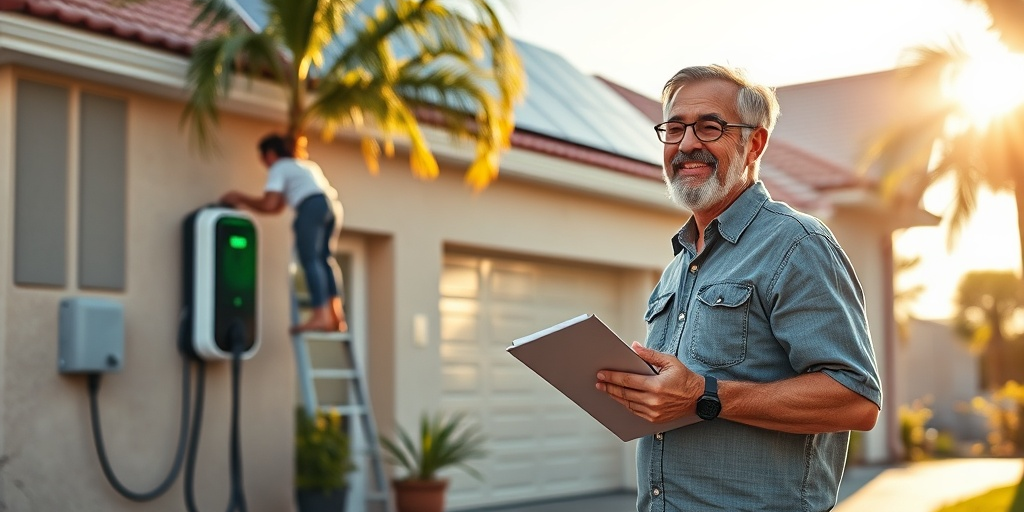
Are you considering the installation of an EV charger as part of your journey toward a greener future? A staggering 8.4 million electric vehicles (EVs) were registered in the United States by the end of 2022, and this number is expected to soar as more homeowners and businesses adopt sustainable technologies (Energy.gov). As we enter 2025, the demand for electric vehicles and the necessary home charging solutions—like an EV charger—will become ever more pressing. The article, 11 Critical Steps for Successful EV Charger Installation, aims to provide you with the essential roadmap to ensure a seamless setup, allowing you to tap into the benefits of clean energy while maximizing your power savings. With Florida’s unique energy landscape and the state’s various incentives for solar and electric vehicle users, it has never been more crucial to equip yourself with knowledge about optimal installation strategies.
Why does this topic matter so urgently in 2025? Rising energy costs and increasing grid instability are just a few reasons why Florida homeowners are looking for sustainable energy solutions. Furthermore, federal tax incentives for EV chargers and solar installations are projected to change, making this an ideal moment for homeowners to invest in intelligent energy solutions that not only reduce electric bills but also enhance property value.
In this article, we’ll cover five critical sections: 1) A Case Study showcasing the journey of an eco-conscious homeowner; 2) A Step-by-Step Checklist for successful installation; 3) Common Myths about EV charging debunked; 4) Local Florida Focus on incentives and resources available for solar and EV installations; and 5) A Technical Deep-Dive into the most effective charging solutions. Let’s embark on this enlightening journey together!
Case Study: The Green Road Ahead
Meet Jessica, a proud homeowner from Orlando, seeking to reduce her carbon footprint while ensuring her family’s convenience. Jessica drives an electric car that she uses for commuting and weekend adventures. When she decided to install an EV charger at home, she quickly learned that taking the plunge required more than just plugging in. There’s a range of factors and regulations to consider, from local building codes to wiring requirements. Fortunately, she documented her adventure, which can serve as a guide for Florida homeowners in similar situations.
Starting with Step 1: Understanding local codes was essential for Jessica. She contacted her local government to learn about requirements for EV charger installations, including how far from the property line the charger could be installed and any regulations related to electrical systems (NREL.gov). It turned out that these guidelines, specific to Florida, provided valuable insight that ensured her installation would be compliant from the start.
Step 2: Jessica realized that it’s crucial to assess the electrical system of her home. She hired an electrician to perform a thorough inspection, ensuring her home’s electrical panel could handle the additional load from the EV charger. In Florida, residential wiring typically complies with the National Electrical Code (NEC), but a professional assessment is still a wise move to avoid future issues.
During her installation journey, Jessica encountered Myth #1: “I can install the EV charger myself.” This myth persists among some homeowners who underestimate the complexities involved. According to experts, improper installations can lead to fire hazards or electric shocks (SolarReviews.com). Therefore, hiring a skilled professional not only safeguards your investment but guarantees the safety of your home and family.
After ensuring compliance and making necessary upgrades, it was time for installation. Jessica opted for a Level 2 charger, which can fully charge her vehicle overnight—a convenience she absolutely loves. As outlined in Step 3, selecting the appropriate charger is essential for maximizing functionality based on the vehicle’s specifications and typical usage patterns. Homeowners should compare features and costs to determine which charger best suits their lifestyle.
Jessica’s story doesn’t stop here. By sharing her experience through community forums and social media, she not only helps others navigate their installations but also contributes to the growing awareness of sustainable energy solutions. As more Floridians embrace electric vehicles, understanding your options—including financing, incentives, and rebates from local utility companies—becomes pivotal to making an informed decision.
Before wrapping up this section, it’s important to highlight Step 4: understanding available state and federal incentives. In Florida, homeowners can explore the potential for rebates and tax credits that can significantly lower installation costs. According to recent data, the average solar installation in Florida can see up to 30% savings through tax credits (SEIA.org).
As we transition to the next section on our checklist, remember that each decision Jessica made guided her toward not only a successful EV charger installation but also a more sustainable lifestyle—one that all Florida homeowners can envision as part of their energy journey.
Step-by-Step Checklist for Successful Installation
Preparing for an EV charger installation might feel overwhelming, but with our checklist, you’ll be well on your way to a smooth and hassle-free setup. Below are the critical steps to ensure your home charging station runs efficiently and effectively.
- Step 1: Verify Local Regulations
Research your area’s specific EV charger regulations. This includes understanding building codes, safety requirements, and permits necessary for installation. - Step 2: Assess Your Home’s Electrical System
Evaluate whether your current electrical supply can support a new charger. Hire an electrician for a professional assessment if needed. - Step 3: Choose the Right Charger
Select between Level 1 and Level 2 chargers based on your vehicle’s needs and typical charging behavior. Level 2 provides faster charging but may require more electrical work. - Step 4: Consult with Installation Professionals
Engage a licensed electrician for installation. They can ensure your charger is correctly and safely installed, complying with all local codes. - Step 5: Think About Connectivity
Explore smart charging options that allow for Wi-Fi connectivity or app control. These features can optimize charging times based on utility rates. - Step 6: Understand Incentives
Research available tax credits, rebates, and grants that may subsidize installation costs. Florida homeowners should inquire about the latest programs available. - Step 7: Get it Inspected
Once installed, arrange for a final inspection to ensure everything is up to code and functioning properly. - Step 8: Review Your Home Insurance Policy
Check with your insurance provider about coverage for your new EV charger. Coverage policies can differ, so it’s important to clarify. - Step 9: Install Appropriate Signage
If you have multiple vehicles at home or planning to charge in public areas, clear signage can help increase awareness. - Step 10: Optimize Charging Times
Consider scheduling your charging to take advantage of off-peak electricity rates, which can save you money on electricity bills. - Step 11: Attend EV Owner Workshops and Community Meetings
Stay informed by participating in local workshops that discuss EV technologies and users’ experiences, enhancing your installation and usage.
Armed with this checklist, Florida homeowners will be well-equipped for a successful EV charger installation, facilitating a crucial step toward a more sustainable future and deeper integration into the community of electric vehicle users. Don’t forget to consult floridaelectricandsolar.com for additional resources on local regulations and incentives that can ease your installation journey.
Debunking Myths About EV Charging
As interest in electric vehicles continues to grow, so do misconceptions that may discourage homeowners from making the switch. Let’s clarify some of these pervasive myths about EV charging, helping you make an informed decision without falling prey to common misunderstandings.
Myth #1: Installing an EV Charger Is Easy and Can Be Done Alone
While plugging in your vehicle may seem straightforward, it takes knowledge and expertise to install an EV charger safely. Without proper installation, the risk of electrical hazards increases significantly (SolarReviews.com).
Myth #2: All EV Chargers Are the Same
Charger types vary significantly in terms of charging speed and compatibility with various vehicle models. It’s essential to conduct research to suit your vehicle’s needs optimally.
Myth #3: Charging an EV is Expensive
In reality, charging an EV typically costs less than refilling a traditional gas-powered vehicle. Analysis shows EVs can generate savings of up to $1,500 annually on fuel costs (SEIA.org).
Myth #4: It Takes Too Long to Charge
Installing a Level 2 charger can minimize charging times to just several hours for a full battery, making it no more inconvenient than a typical gas station visit.
Myth #5: EVs Are Only for Wealthy Individuals
While early electric vehicles came with hefty price tags, today’s market offers a range of affordable options. Many incentive programs also make EV ownership financially compelling, opening the doors for all homeowners (NREL.gov).
Understanding the truth behind these myths can empower homeowners to embrace electric vehicle technologies without hesitation. As Florida shapes its future to accommodate more sustainable practices, knowing what’s real versus what’s rumor can inspire a community shift.
Next, let’s take a closer look at the unique opportunities available to Florida homeowners interested in solar energy and electric vehicle chargers.
Local Focus: Florida’s Electric Vehicle Landscape
Florida is emerging as a leader in electric vehicle adoption. The state’s ongoing commitment to sustainability is evident through various initiatives, tax credits, and supporting infrastructure. For Florida homeowners considering the installation of an EV charger, understanding local resources is crucial.
Incentive Programs
The state offers multiple incentives, such as the Florida Electric Vehicle Incentives program, which provides rebates for purchasing qualified EV chargers. For 2025, homeowners can expect up to 50% of installation costs covered through local utility company programs (DSIREUSA.org).
Public Infrastructure
Florida has been expanding its EV charging infrastructure. As of 2023, the state hosts thousands of public EV charging stations, making long-distance travel highly accessible for EV owners. This commitment to infrastructure supports homeowners considering switching to electric vehicles.
Community Programs
Local nonprofits and organizations frequently offer workshops and community meetings to educate residents on the benefits of EVs and alternative energy sources. Participating in these events is a great way to learn about installation tips, financing options, and the future of electric vehicles in Florida.
Local Utility Support
Check with your local utility provider for programs aimed at enhancing EV adoption, which may include free consultations and incentives to encourage eco-friendly energy solutions. Programs are often targeted toward residents looking to install EV chargers alongside solar power systems.
Environmental Impact
Adopting EVs contributes to reduced greenhouse gas emissions and a cleaner environment. In Florida, transitioning to electric vehicles aligns with the state’s broader climate goals aimed at protecting natural ecosystems and promoting cleaner air quality.
Understanding the support available in Florida reinforces the idea that moving toward electric vehicles—and by extension, charging solutions—requires strategic planning but reaps numerous benefits. As we delve into technical aspects, homeowners can lay the foundation for successful installations.
Technical Deep-Dive: Understanding Your Charging Options
The selection of an EV charger is a critical aspect of ensuring efficient and effective use of electric vehicles. In this section, we’ll delve into the technical specifications and options available to homeowners, emphasizing the benefits of proper decision-making rooted in your lifestyle and needs.
Types of Chargers
Knowing the differences among charger types can significantly enhance your charging experience. Here’s a breakdown:
- Level 1 Charger: This type connects to a standard 120V outlet and is suitable for overnight charging. However, it typically requires more time for a full battery charge, making it ideal for occasional users.
- Level 2 Charger: Operating at 240V, it charges vehicles more quickly, generally achieving a full charge in several hours. Level 2 chargers are the recommended method for most homeowners wanting in-home installation.
- DC Fast Chargers: Mostly found in public charging stations, these can charge vehicles to 80% in about 30 minutes. They are ideal for commercial settings but may not be suitable for home installations due to higher costs and electrical requirements.
Installation Considerations
When figuring out which charger suits you best, consider how often you drive, the mileage you’ll typically cover, and your vehicle’s battery size. Don’t forget that the installation site’s proximity to your electrical panel is also vital, especially for Level 2 chargers.
Smart Charging Technologies
Incorporating smart technologies can make a big difference in maximizing your energy use. Smart chargers can connect to your Wi-Fi, allowing you to optimize charging schedules and monitor usage via a smartphone app, which can lead to cost savings over time based on utility company pricing schedules.
Home Energy Management Systems
Integrating your EV charger into broader home energy management systems can optimize energy use across appliances, systems, and vehicles. This is important for reducing the overall energy burden and can significantly increase your home’s efficiency.
Understanding these technical details arms Florida homeowners with the knowledge they need to make informed decisions. By investing in the right charging solution and aligning it with solar options, you’ll be paving the way for a sustainable and economically savvy future.
Next Steps for Florida Solar Buyers in 2025
As we wrap up our guide, it’s vital to highlight a concise action plan for Florida homeowners interested in solar energy and EV charger installations. Each step you take matters in ensuring sustainable energy practices that contribute to both your savings and the environment.
- Audit Your Electric Bill: Start by reviewing your electric consumption and costs, to estimate potential savings with solar and electric vehicle integration.
- Consult with Experts: Reach out to professionals for a detailed understanding of how solar power can support your electric vehicle charging needs, being aware of financing options (Visit floridaelectricandsolar.com).
- Research Local Incentives: Investigate available utility and government programs that incentivize solar power and EV charger installations to discover how to lower upfront costs.
- Plan Your Installation: Schedule installations for both solar power systems and EV chargers, preferably through a single reputable contractor who understands the synergy between the two.
- Engage with Your Community: Attend local EV and solar workshops, participate in community discussions, and share experiences to build awareness and support among your neighbors.
Each of these steps is vital in your journey toward sustainability. As you prepare to embrace the future of energy, remember that you’re not just investing in a product; you’re investing in your family’s future, the greater community, and the health of our planet.
In conclusion, navigating the installation of an EV charger doesn’t have to be daunting. Equipped with the right knowledge and a reliable checklist, you can take transformative steps that benefit both your home and the environment. Let’s ensure a cleaner, more energy-efficient future for generations to come!
Ready to start your solar journey in 2025? Connect with a certified expert at floridaelectricandsolar.com today.
Related Articles
More insights about EV Charger

What Florida Homeowners Ask About Solar EV Charger Installation

Florida Homeowners Exploring EV Charger Installation Benefits

Beginner’s Guide to Understanding EV Charger Installation for Homeowners
Ready to Go Solar?
Have questions about solar energy? Our experts are here to help you make the switch to clean, renewable energy.