
7 Critical Steps to Ensure Successful EV Charger Installation
Share:
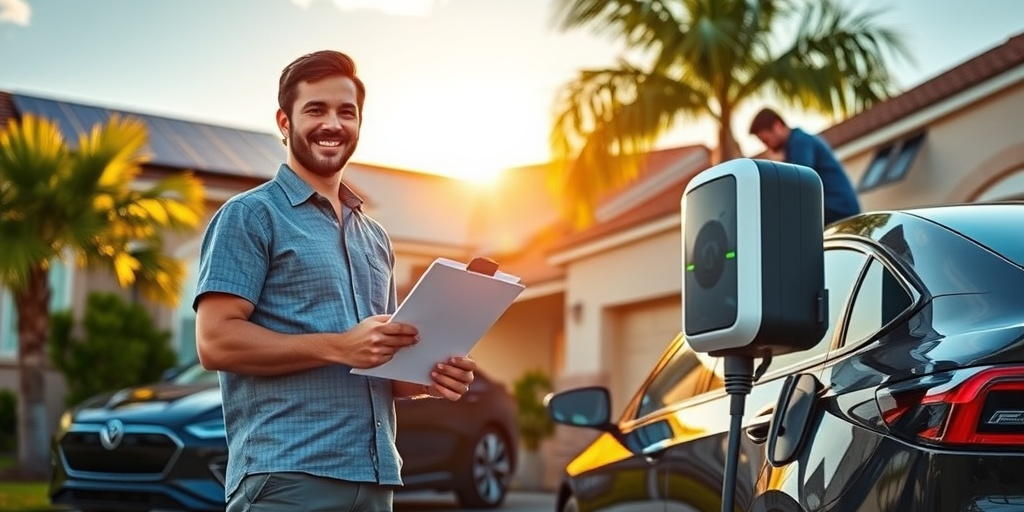
As electric vehicles (EVs) continue to surge in popularity, many Florida homeowners are asking: “How can I ensure successful EV charger installation?” In fact, according to **the U.S. Department of Energy**, the number of EVs on American roads is projected to reach 18.7 million by 2030 (Energy.gov). This exciting trend not only promises greener transportation but also brings opportunities for significant savings on electric bills. That’s why it’s essential to consider the **7 Critical Steps to Ensure Successful EV Charger Installation**, a framework that will not only guide you through the process but empower you as you transition to electric driving in 2025 and beyond. With rising energy costs and new incentives for solar power installation, now is the time to optimize your home for electric vehicle charging needs.
In this article, we’re going to explore these steps in detail. These include a powerful case study that brings the journey to life, a practical checklist outlining each step, myth-busting common misconceptions about EV chargers, local insights specific to Florida, and a deep dive into the technical aspects of EV charger technology. By the end, you’ll be armed with the knowledge you need to smoothly install your EV charger and make the most of this energy transition.
Understanding the Importance of Successful EV Charger Installation
First, let’s take a closer look at the implications of EV charger installation. Imagine the convenience of charging your vehicle at home, avoiding the lines at public charging stations, and knowing that your car is powered by clean, renewable energy—especially if you’ve paired it with solar panels. According to SEIA, Florida ranks third in the nation for solar capacity, offering homeowners an excellent opportunity to go solar alongside their electric vehicles (SEIA.org). As we step into 2025, the time to act is now. With so much change in the energy landscape, being prepared means not only adapting but thriving.
So what does it take to ensure a seamless installation that meets your current and future energy needs? Let’s delve into the seven critical steps—from assessing your home to ensuring compliance with local regulations, and understanding the technology behind EV chargers.
The Case Study: The Johnson Family’s EV Charger Installation
Consider the Johnson family from Orlando, Florida. Eager to transition from gasoline to electric vehicles, they decided to install a Level 2 EV charger at their home. However, they quickly learned that effective charger installation involves more than simply purchasing the device and plugging it in. They embarked on a journey that included assessing their energy needs, consulting professionals, and navigating local regulations.
- Step 1: Assessing the Electrical System – The Johnson family began by evaluating their home’s electrical setup. Understanding the available amperage was crucial to ensuring that their existing system could support the new charger without overloading.
- Step 2: Hiring a Qualified Electrician – After assessing their electrical system, they hired a certified electrician with experience in EV charger installations. This step ensured compliance with local codes and safety regulations.
- Step 3: Applying for Permits – The Johnsons learned that to legally install their charger, they needed to obtain a permit from the city of Orlando. This process ensures installation meets all safety and performance standards.
- Step 4: Choosing the Right Charger – They researched different types of chargers, ultimately deciding on a Level 2 charger that could provide faster charging times and more efficiency.
- Step 5: Planning Charger Location – Thoughtful planning of the charger’s location was crucial. They wanted it to be both accessible for their vehicle and aesthetically integrated into their home.
- Step 6: Installation and Testing – With the professional electrician in charge, the installation went smoothly. After completing the setup, they conducted tests to ensure the charger was functioning correctly.
- Step 7: Enjoying the Benefits – Ultimately, the Johnson family experienced unparalleled convenience in home charging, saving money and reducing their carbon footprint.
This journey exemplifies the crucial steps homeowners must take to ensure the successful installation of an EV charger. Each step is essential to avoid common pitfalls, and data has shown that proper planning can save homeowners up to 30% on installation costs (SolarReviews.com).
Critical EV Charger Installation Checklist
To ensure a successful installation like the Johnsons’, follow this detailed checklist:
- Step 1: Evaluate Electrical Capacity – Check your home’s total electrical capacity to determine if upgrades are needed.
- Step 2: Select an EV Charger – Research options among Level 1 and Level 2 chargers based on charging speed and efficiency.
- Step 3: Hire a Licensed Electrician – Engage a licensed electrician experienced in EV installations for safety and compliance.
- Step 4: Obtain Necessary Permits – Contact your local building authority to secure permits for installation.
- Step 5: Plan for Location – Choose a location for your charger that provides easy access and convenience.
- Step 6: Conduct an Energy Audit – Review your home’s energy consumption levels to understand how the charger will integrate.
- Step 7: Monitor Energy Costs – Once installed, monitor charging costs and adjust habits to maximize savings.
Taking these steps will not only help you avoid costly mistakes but also ensure that your EV charger meets both your current needs and future demands. Don’t forget to check out more resources at floridaelectricandsolar.com.
Myth-Busting Common Misconceptions About EV Chargers
As homeowners embark on their EV journey, several myths can deter them from making the switch. Let’s debunk some common misconceptions:
- Myth #1: EV Chargers Are Not Necessary at Home – Many believe they can rely solely on public chargers. However, having a home charger provides unparalleled convenience and the ability to charge overnight, saving you time and money.
- Myth #2: Charging Takes Too Long – The misconception that charging an EV is inconvenient is outdated. Level 2 chargers can typically add up to 25 miles of range per hour, making it feasible to charge while you sleep.
- Myth #3: You Can’t Charge Your EV in a Storm – Some homeowners worry about charging during storms. However, modern chargers are designed with safety features and can withstand harsh weather conditions, allowing you to charge safely.
- Myth #4: Home Charging Is Expensive – While there’s an upfront investment, charging at home can be cheaper than gas. Many utility companies offer time-of-use rates, significantly reducing charging costs during off-peak hours.
- Myth #5: You Can’t Sell Your Home with an EV Charger – On the contrary, having an EV charger can be a unique selling point. As the number of EV owners skyrockets, buyers are increasingly looking for homes equipped with charging stations.
By understanding and debunking these myths, homeowners can make a more informed decision, paving the way for a successful transition to electric vehicles.
Florida-Specific Considerations for EV Charger Installation
When implementing EV charger installations, Florida homeowners need to consider local factors that can impact the process:
- Local Incentives – In Florida, many utility companies and municipalities offer incentives for both EV purchases and charger installations. Familiarize yourself with programs such as the Florida Power & Light rebate programs.
- Unique Climate Considerations – Florida’s humid climate can influence the longevity of your EV charger. Opt for weatherproof units designed to withstand high humidity and rain.
- Regulatory Compliance – Always check with local building authorities for compliance regulations when installing an EV charger. Various cities may have specific codes that need to be adhered to.
These tailored considerations ensure that your installation is not just effective but also optimized for Florida’s unique environment and market. When you take localized factors into account, you increase your charger’s efficiency and longevity.
A Technical Deep-Dive into EV Charger Technology
Understanding the technology behind EV chargers can enhance your installation process:
- Types of Chargers – Familiarize yourself with Level 1 (120V) vs. Level 2 (240V) chargers. Level 2 chargers are preferred for home use due to faster charging and overall efficiency.
- Smart Chargers – Many modern chargers come with smart technology that allows for remote monitoring, scheduling, and energy management through mobile applications.
- Power Ratings – Know the power output of your selected charger (measured in kW). A higher kW rating translates to faster charging time, making it an essential factor for busy households.
- Safety Features – Explore the built-in safety features such as surge protection, fault detection, and automatic shut-off to safeguard your EV and home’s electrical system.
As the EV market continues to grow, understanding these technical aspects will make you a more knowledgeable and confident EV owner. Plus, it can lead you to choose the most suitable charger for your energy needs.
Next Steps for Florida Solar Buyers in 2025
As you move from concept to action, the implementation of your EV charger installation can seem daunting. The best approach? Start small and take focused steps:
- Step 1: Conduct an Energy Audit – Review your current energy use and identify how an EV charger will fit into your consumptive profile.
- Step 2: Research and Price Out Chargers – Explore different chargers, evaluating both cost and functionality to find the best fit.
- Step 3: Schedule a Consultation with a Professional – Consult with a licensed electrician to assess your home’s electrical capacity and get a quote for the installation.
- Step 4: Apply for Local Incentives – Investigate what rebates or tax credits are available to you in Florida for charger installation.
- Step 5: Make the Purchase and Schedule Installation – Once you have all the necessary information, proceed to purchase your charger and finalize an installation date.
This structured approach helps you minimize hassle while maximizing your chance of success. Additionally, you can always rely on specialized guidance by visiting floridaelectricandsolar.com to find certified professionals to assist you through each stage of the process.
Conclusion
The journey to installing an EV charger is an empowering step toward energy independence and sustainability. As we reflect on the critical steps discussed—from assessing your electrical system and hiring experts to embracing the technology behind chargers—the importance of being well-informed is clear. Making this transition isn’t just beneficial for you; it’s also a contribution toward a cleaner environment and a more sustainable future for Florida. Strong demand for EV chargers indicates a shift in consumer preferences, with *30% of new car sales projected to be electric by 2030* (NREL.gov).
Now, as you consider your options and the future of energy in 2025, remember that you have the tools and knowledge to ensure a successful installation. Your new EV charger will not only streamline your life but also enhance your green energy usage in conjunction with solar power. This is the right time to take action, turning your home into a hub of sustainability.
Ready to start your solar journey in 2025? Connect with a certified expert at floridaelectricandsolar.com today.
Related Articles
More insights about EV Charger

What Florida Homeowners Ask About Solar EV Charger Installation

Florida Homeowners Exploring EV Charger Installation Benefits

Beginner’s Guide to Understanding EV Charger Installation for Homeowners
Ready to Go Solar?
Have questions about solar energy? Our experts are here to help you make the switch to clean, renewable energy.