
7 Essential Steps for Installing an EV Charger in Florida
Share:
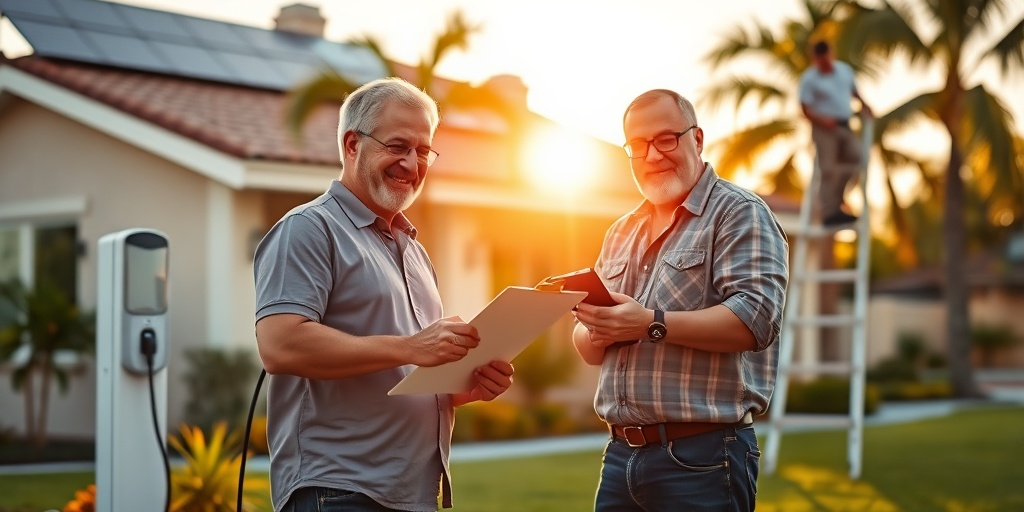
In a world transitioning toward sustainable energy solutions, electric vehicles (EVs) are rapidly gaining traction among Florida homeowners; in fact, the state ranked second in the U.S. for the number of EVs recorded as of 2022, showcasing a robust growth trajectory (US DOT). However, with this exciting shift comes the important question for many: how do I effectively install an EV charger at home? The answer lies in understanding the 7 Essential Steps for Installing an EV Charger in Florida. This process is not just a technical endeavor; it represents a significant leap towards energy independence and ecological stewardship. By facilitating a home charging solution, you can not only reduce your personal carbon footprint but also maximize your energy savings amid rising electricity costs projected for 2025 (Florida Energy Commission).
As homeowners in Florida, it’s crucial to recognize the urgency of this topic: new incentives for solar energy implementation and electrification efforts are pushing many residents to consider greener alternatives now more than ever. In this indepth guide, we will delineate five critical sections. First, we will explore a case study of a local homeowner and their EV charging journey. Next, we will offer a practical checklist laid out in an actionable format. Afterward, we will tackle common myths surrounding EV charger installations. We’ll then incorporate relevant Florida-specific data to deepen your understanding of local context, and finally, we’ll delve into technical intricacies that may often go misunderstood. Let’s embark on this electrifying journey toward establishing your EV charger at home.
Understanding the Journey: A Case Study on EV Charger Installation
Meet Sarah, a homeowner residing in sunny Tampa, Florida. After purchasing her first electric vehicle, she quickly realized the convenience an at-home charger could provide. However, like many first-time EV owners, Sarah was faced with the daunting task of installation. With so many options available and various regulations to navigate, she felt overwhelmed. Luckily, by following a structured approach, she successfully installed her EV charger and transformed her home into a hub of sustainable energy. Here’s how she did it.
- Research Local Regulations: Sarah began by familiarizing herself with the electrical codes specific to Florida, an essential step in ensuring a compliant installation. Florida’s electric vehicle charging stations regulations encourage residents to install chargers, but they must follow certain safety and technical standards set by the National Electrical Code (NEC).
- Select the Right Charger: Not all EV chargers are created equal; Sarah diligently researched different types of chargers, weighing the benefits of Level 1 versus Level 2 options. The U.S. Department of Energy notes that Level 2 chargers can provide a significantly faster charging experience, often taking as little as 4-6 hours to fully recharge a vehicle.
- Hire a Certified Technician: Recognizing that installation is not a DIY task for everyone, Sarah decided to hire a licensed electrician. They ensured the installation met local codes and safely managed the electrical systems in her home. Given that improper installations can lead to severe consequences, this decision equipped Sarah with peace of mind.
- Pursue Incentives and Rebates: One of the beautiful aspects of going green in Florida is the accessibility of incentives aimed at alleviating installation costs. Sarah discovered that the state offers various rebate programs for EV charger installations, allowing her to minimize her investment substantially (Florida Department of Agriculture).
- Implement Solar Solutions: To magnify her energy efficiency, Sarah took her journey a step further by pairing the charger with a new solar system installed on her roof. This strategic move allowed her to charge her electric vehicle at virtually no cost while harnessing Florida’s abundant sunlight.
Sarah’s story exemplifies the importance of a structured approach when considering the installation of an EV charger. She learned that by conducting research and following these essential steps, she was paving the way not only to an eco-friendly vehicle operation but also to long-term savings and energy independence. How can you replicate this success in your charge installation journey? Let’s break it down further with a practical checklist.
Your Handy EV Charger Installation Checklist
Now that you’ve seen a practical case study, it’s time to break down the necessary steps for installing your EV charger in Florida into a checklist format. By following these straightforward steps, you can ensure a smooth setup and fully maximize your energy savings!
- Step 1: Evaluate Your Charging Needs
- Assess the type of vehicle you own. Different EVs may have varying charging requirements.
- Consider your daily driving habits. How far do you usually drive? This will help determine the type of charger suitable for your needs.
- Step 2: Location Assessment
- Identify optimal locations for chargers, such as garages or driveways, ensuring that the cable length is appropriate for accessibility.
- Take note of your home’s electrical capacity to support the selected charging station.
- Step 3: Choose the Right EV Charger
- Decide between Level 1 (120V) and Level 2 (240V) chargers based on speed and convenience. Level 2 is generally more efficient for most households.
- Consider taking advantage of features like smart charging to manage energy consumption efficiently.
- Step 4: Hire a Qualified Electrician
- Search for certified electricians familiar with EV charger installations and local regulations. Recommendations from friends or online reviews are beneficial.
- Ensure that the electrician is licensed and insured to protect you and your investment.
- Step 5: Explore Financial Incentives
- Investigate local and state incentives to lessen the burden of installation costs. Programs such as the Federal Tax Credit can lead to significant savings on your initial investment.
- Engage with local governments or energy companies for any additional rebates currently offered in Florida.
By following these essential steps, you position yourself not only to succeed in your installation journey but also to contribute positively to the environment. Let’s debunk some of the common myths that may hinder your decision to install an EV charger at home.
Myth-Busting Common Misconceptions About EV Charger Installations
As you consider the installation of an EV charger, you may encounter widespread beliefs that can skew your understanding and decision-making. Here are a few common myths, along with the truths that debunk them.
- Myth #1: Installing an EV Charger is Too Expensive
While initial installation costs can seem substantial, various federal and state incentives significantly mitigate these costs. Furthermore, the savings on gasoline and reduced electricity bills in the long run make this investment worthwhile (Energy.gov).
- Myth #2: All EV Chargers Are the Same
Contrary to popular belief, not all chargers are equal. The speed of charging, plug types, and features vary between Level 1 and Level 2 chargers, making it essential to choose the right one for your needs.
- Myth #3: You Need a New Electrical Panel
While this may be necessary for some homes, it isn’t universal. A thorough assessment by a qualified electrician will help determine whether your existing setup can handle the additional load, ultimately saving you unnecessary expenses.
- Myth #4: EVs Never Charge Fast Enough
Modern EV chargers are generally much more efficient and can charge EVs quickly. With a Level 2 charger, you can gain up to 25 miles of range per hour, making overnight charging feasible even on modest power sources.
- Myth #5: Residential Charging Isn’t Safe
When done correctly, the installation of an EV charger is remarkably safe. By hiring a certified technician familiar with local codes, you not only comply with regulations but also ensure optimal safety.
By debunking these common misconceptions, you can feel more empowered to make informed decisions concerning your EV charger installation. Next, let’s dive into why using Florida-specific data can illuminate the importance of this initiative.
Local Perspectives: Why Florida Homeowners Should Go Solar and Install Chargers
Florida homeowners stand at a pivotal moment in the energy landscape. With our state’s consistent sunshine, it’s no wonder that Florida remains one of the leading states for solar energy adoption. In fact, recent data indicates that nearly 52% of homes in Florida are considering solar energy solutions to mitigate rising utility rates (SEIA.org). This directly influences the potential for EV chargers to play an integral role in maximizing solar potential.
- Manage Grid Instability: With increasingly unstable electricity grids and rising utility costs, taking an independent energy stance by utilizing solar energy and EV charging solutions is not just appealing; it is necessary.
- Support Local Economies: By going solar and installing EV chargers, homeowners contribute to the Florida economy, supporting local technicians and green enterprises. The solar industry not only creates jobs but also fosters innovation in energy solutions.
- Government Incentives: Current tax incentives make it an opportune time for homeowners to invest in solar systems and EV chargers. The Federal Investment Tax Credit (ITC) has been extended, allowing you to claim 30% of the installation costs of both systems (DSIREUSA.org).
The synergy between solar power solutions and EV chargers in Florida positions homeowners to navigate the future of energy with confidence. For homeowners considering both measures, strong financial incentives coupled with a favorable climate make this decision not only timely but also crucial for long-term savings. Now let’s explore some best practices as you prepare for your own solar-driven EV charging journey.
5 Expert Strategies for Successful Electric Vehicle Charger Installations in 2025
Transitioning to electric mobility and sustainable energy solutions can feel like stepping into the unknown, especially for homeowners unfamiliar with the necessary processes. However, by adhering to proven best practices, you can leverage this change confidently. Here are five expert strategies to guide you.
1. Don’t Skimp on Quality
Opting for high-quality chargers and components should be a top priority. Though cheaper options may be tempting, investing in reputable brands offers not only performance reliability but also long-term durability, helping you avoid additional costs down the line.
2. Utilize Smart Technology
Incorporating smart EV chargers can help automate your energy use. Smart chargers can be programmed to charge during off-peak hours when electricity rates are lower, maximizing both convenience and savings.
3. Consult with Local Experts
Collaboration with local solar and electrical service providers ensures that you receive tailored advice based on Florida-specific regulations and opportunities. Local experts are best equipped to provide insights that align with your needs and goals.
4. Consider Future Needs
As EV technology evolves, many homeowners anticipate adding more electric vehicles to their households. Planning for future growth by investing in the necessary infrastructure now can save you significant upgrades later on.
5. Engage in Community Knowledge Sharing
Joining local forums and community groups focused on electric vehicles can provide you with invaluable insights and support. Engaging with fellow enthusiasts allows you to share your experience and learn from others, enhancing your overall journey.
Next Steps for Florida Solar Buyers in 2025
With the landscape of both EV charging and solar solutions evolving, taking actionable measures now can help futureproof your energy needs. Consider this checklist for your next steps:
- Step 1: Audit Your Electric Bill
Understanding your current electricity usage allows you to refine your energy needs and optimize your charging setup.
- Step 2: Review Available Incentives
Thoroughly research rebates and tax incentives offered through state and federal programs. They can substantially reduce your installation expenses.
- Step 3: Schedule a Consultation
Engage with local solar and EV charging professionals to discuss optimal installation routes and requirements.
- Step 4: Share with Friends
Promote the benefits of going electric within your social circles, creating a ripple effect of awareness and engagement.
- Step 5: Document Your Journey
Share your own experiences and strategies as you navigate this transition. Your insights can serve as motivation for others.
In conclusion, the road to installing an EV charger in Florida is not just a charge towards convenience but a profound commitment to sustainable living. Each step, as explored through this blog post, leads you closer to energy independence while allowing you to contribute positively to the environment. The trends and statistics clearly illustrate that now is the time to act; Florida homeowners have the opportunity to maximize solar savings and embrace efficient energy consumption for a brighter future.
Ultimately, your decision to install an EV charger signifies a larger reliability on renewable energy. It’s about owning your power and making choices that echo through generations.
Ready to start your solar journey in 2025? Connect with a certified expert at floridaelectricandsolar.com today.
Related Articles
More insights about EV Charger

What Florida Homeowners Ask About Solar EV Charger Installation

Florida Homeowners Exploring EV Charger Installation Benefits

Beginner’s Guide to Understanding EV Charger Installation for Homeowners
Ready to Go Solar?
Have questions about solar energy? Our experts are here to help you make the switch to clean, renewable energy.