
7 Steps to Optimize Your EV Charger Installation
Share:
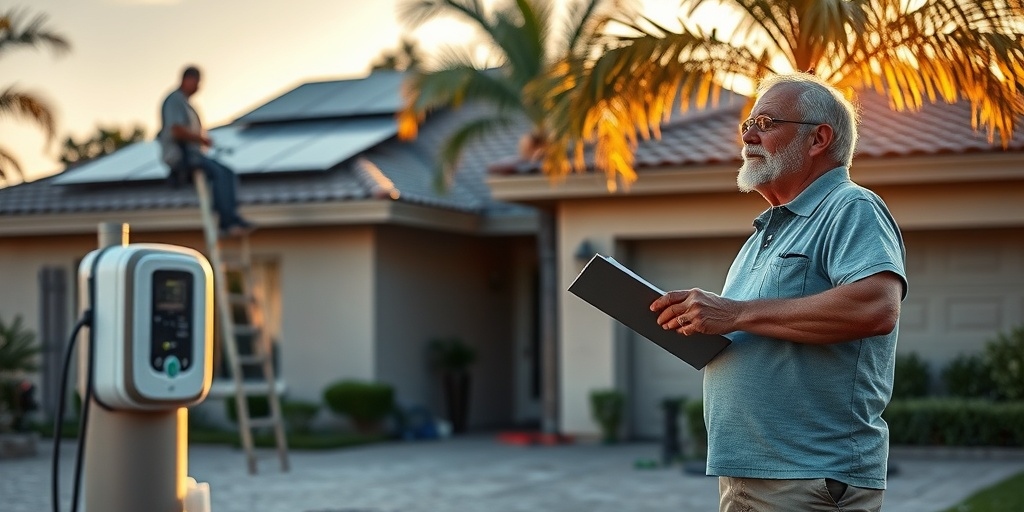
In 2025, electric vehicles (EVs) are projected to make up a significant percentage of new car sales, reflecting a paradigm shift in transportation that is already transforming our roads. In fact, some experts predict that by 2030, EVs could account for nearly 50% of American vehicle sales (BloombergNEF). As Florida homeowners pivot toward this eco-friendly technology, the importance of optimizing EV charger installations becomes paramount. This is especially relevant in the Sunshine State, where ample sunlight coupled with strategic solar solutions can enhance the efficiency of your electric vehicle charging system. That’s why we’re diving into the 7 Steps to Optimize Your EV Charger Installation, empowering you to make informed decisions and maximize the benefits of going electric. With the rapid evolution of technology and the rising costs of traditional fuels, optimizing your EV charger installation is not just a matter of convenience; it is essential for smoothing your transition to electric driving. In this guide, we’ll cover essential aspects such as case studies of successful installations, actionable checklists, debunking common myths, local concerns, and technical insights that will enable you to drive your EV with confidence. Let’s embark on this enlightening journey toward electric independence!
Case Study: The Johnson Family’s EV Charging Success
When Lisa and Mark Johnson, a family of four in Orlando, decided to embrace electric driving, they were quickly faced with the challenges of optimizing their EV charger installation. They learned that most residential installations fall short of providing the efficiency and effectiveness wanted, leading them to partner with a knowledgeable solar installer. With a complete understanding of their household’s energy needs, they made critical decisions focused on optimizing efficiency.
- Step 1: Assess Your Electrical Capacity
The Johnsons began by having their home’s electrical system evaluated to determine if they had sufficient capacity to support a Level 2 charger. Their registered capacity allowed them not only to charge their EV efficiently but also to utilize their existing solar panel system, producing enough energy to charge the car during daylight hours. - Step 2: Choose the Right Charger
Researching various models and consulting their installer guided them toward a charger that would synchronize seamlessly with their solar setup. They picked a reliable unit capable of smart charging—automatically adjusting output based on solar energy production. - Step 3: Location, Location, Location
Mark and Lisa optimized the physical placement of the charger. They chose a location in their garage that allowed for easy access to their electric vehicle, while also minimizing any stress on their home’s electrical wiring.
These steps not only optimized their installation but also significantly reduced their electric bills; contributing to an estimated 30% savings on energy costs annually. Such unique benefits highlight the importance of meticulous planning during the installation and integration process.
This case study illustrates key principles for success that any Florida homeowner can replicate as they consider or enhance their EV charger installations. Now, let’s move onto a practical Checklist that details crucial steps to optimize your own EV charger installation.
7 Essential Steps to Optimize Your EV Charger Installation
Here’s your actionable checklist that ensures a smooth and efficient EV charging experience:
- Step 1: Audit Your Electric Bill
Start by examining your current energy rates and usage habits while determining how adding an EV might impact your overall electric consumption. With electric rates in Florida averaging around $0.13 per kWh (EnergyInformationAdmin), it becomes necessary to visualize new potential costs. - Step 2: Consult Your Utility Provider
Contact your local utility provider to discuss any potential rebates or incentives available for EV charger installations. Florida has various programs, including the FPL ChargeUp program, which provides credits and rebates for residential installations. - Step 3: Determine the Type of Charger
Evaluate whether a Level 1 or Level 2 charger best suits your needs. Level 2 chargers are recommended for standard home installations because they can charge vehicles significantly faster. - Step 4: Assess Site Requirements
Work with a qualified installer to assess the physical site specifications of your home. Elements to consider include your electrical capacity, circuit breakers, and distance to power sources. Ensure that your site can accommodate a safe and effective installation. - Step 5: Permit Processes
Factor in local permitting processes required for establishing your installation. This can vary by locality in Florida; ensure you have all documentation ready to avoid delays. - Step 6: Connect to a Renewable Source
Consider coupling your charger with a solar energy system for maximum efficiency. This interaction provides savings and reduces the carbon footprint of your electric driving. - Step 7: Regular Maintenance Checks
Once installed, maintain your EV charging unit regularly. Schedule checks to ensure that everything is functioning correctly and safely, significantly mitigating electrical issues down the road.
It’s crucial to approach your EV charger installation with these steps in mind. Transitioning to electric driving presents countless opportunities tailored to individual California homeowners, encouraging not just eco-friendliness, but financial savings too. Let’s now debunk some widespread myths regarding EV charger installations!
Myth-Busters: Debunking Common Misconceptions about EV Charger Installations
As interest in EVs continues to surge, misinformation often leads homeowners to sidestep the transition. Below, we tackle some common misconceptions:
- Myth #1: EV Chargers Are Very Expensive to Install
While upfront costs may seem substantial, local and federal incentives can significantly lessen financial burdens. Many homeowners find that after rebates, costs may be much lower than expected. - Myth #2: EV Chargers Require Major Home Renovations
Most homeowners need only minor adaptations to their electrical setups. In many cases, installing a charger does not necessitate extensive home renovations. - Myth #3: Charging an EV Will Overload My Home’s Wiring
Less than expected charging loads usually do not impact household commitments significantly. Proper professional assessments measure your capability to support the charger’s demands safely. - Myth #4: You Can Only Charge an EV at Home
While home charging is convenient, many public charging stations exist across Florida. Apps and navigation systems can help locate these stations in real time, making long-distance electric travel a reality. - Myth #5: All EVs Are the Same
Understanding different EV technologies and charging requirements is essential. Not all vehicles accommodate the same charging speeds or methods, so it’s important to consider your vehicle’s specifications when installing a compatible unit.
Debunking these myths ensures that homeowners move forward with confidence in their electrification journey. Next, let’s focus on some local considerations for Florida’s diverse climate and regulatory environment.
Florida-Specific Considerations for EV Charger Installations
Understanding unique factors in Florida provides insights for homeowners looking to optimize their EV charger installations. Here are some targeted suggestions:
- Climate Considerations
Florida’s humid climate can impact the longevity of EV charging units. Choose outdoor-rated equipment designed to withstand humidity and rains typical in the state. - Incentives and Rebates
Florida operates numerous programs incentivizing EV adoption, including utility rebates and tax credits. Homeowners should opt for utilities with better EV incentives, such as Florida Power & Light (FPL). The state has a target of having 60 charging stations in operation by 2025 to support growing demand. - Local Infrastructure
Investigate the availability and proximity to electric vehicle charging stations in your area, factoring in both home and public options. Florida has made a significant commitment towards building an adequate network to accommodate growing EV ownership.
These Florida-focused points will help prepare homeowners for what they can expect during the installation process. Now, let’s delve deeper into the technical aspects of optimizing your EV charger installation.
Technical Deep-Dive: Understanding Charging Technologies and Installation Processes
As we explore further, technical insights into EV charger technologies and installation strategies will underscore key aspects essential for any Florida homeowner. Here are the details:
- Charging Levels
The two common charging levels, Level 1 and Level 2, differ substantially in charging speeds. Level 1 can add approximately 4-5 miles of range per hour, while Level 2 can deliver around 25 miles per hour of charging. This critical difference is essential for selecting the appropriate charger. - Smart Chargers
Investing in smart charging units provides added benefits including remote monitoring, scheduling charging times, and notifications for overall energy usage. These smart chargers can also optimize operational times to align with solar panel production—maximizing home autonomy. - Professional Installation
Although DIY kits exist, professional installation is often imperative for ensuring safety and compliance with local codes. Many installers also assess electrical service requirements, permitting and inspection processes to ensure a successful script.
When selecting the technical aspects of your system, it’s important to consider future compatibility with more advanced technologies as they evolve. Now that we have navigated through insightful technical specifications, let us conclude by discussing practical next steps to ensure you’re ready for your EV journey.
Next Steps for Florida Solar Buyers in 2025
As we transition into 2025, understanding actionable steps will help Florida property owners prepare for EV charging solutions:
- Step 1: Review Energy Consumption Patterns
Start by evaluating how the addition of an EV may affect your bill. Use historical bills to analyze consumption changes and project savings scenarios. - Step 2: Research Installation Providers
Identify reputable contractors specializing in EV charger installations. Ensure they understand local codes, rebates, and technologies necessary for successful installations. - Step 3: Decide on Charger Types and Locations
Determine which charger best suits your electric vehicle model. Careful assessment of the installation location helps enhance performance, aligning with your daily commute and energy needs. - Step 4: Engage with Your Utility Provider
Discuss potential rebates and incentives while considering a renewable energy source for charging, allowing for increased savings and efficiency. - Step 5: Arrange for a Professional Installation
Select a certified installer to ensure safe and compliant connections while closely monitor any necessary inspections and permits throughout the journey.
These actionable next steps pave the way toward seamless integration of our solar-powered lives and electric vehicles in Florida. The charge toward a sustainable future is at our fingertips, and your journey starts with proper planning and preparation. Embrace the evolving landscape of energy consumption, and empower your electric driving experience!
In conclusion, optimizing your EV charger installation not only enhances your electric vehicle experience but also allows you to partake in the rewards of sustainable living. With rising energy costs and an increased focus on clean transportation, there has never been a better time to invest in your home’s EV readiness. By undertaking the seven essential steps, broken down from audits to addressing misconceptions, you can turn your dream of driving sustainably into reality. It’s not simply a shift in how you travel; it’s a commitment to a better future for your family, your finances, and the planet. Are you ready to start your solar journey in 2025? Connect with a certified expert at floridaelectricandsolar.com today.
Related Articles
More insights about EV Charger

What Florida Homeowners Ask About Solar EV Charger Installation

Florida Homeowners Exploring EV Charger Installation Benefits

Beginner’s Guide to Understanding EV Charger Installation for Homeowners
Ready to Go Solar?
Have questions about solar energy? Our experts are here to help you make the switch to clean, renewable energy.