
What You Need to Know About EV Charger Installation in Florida
Share:
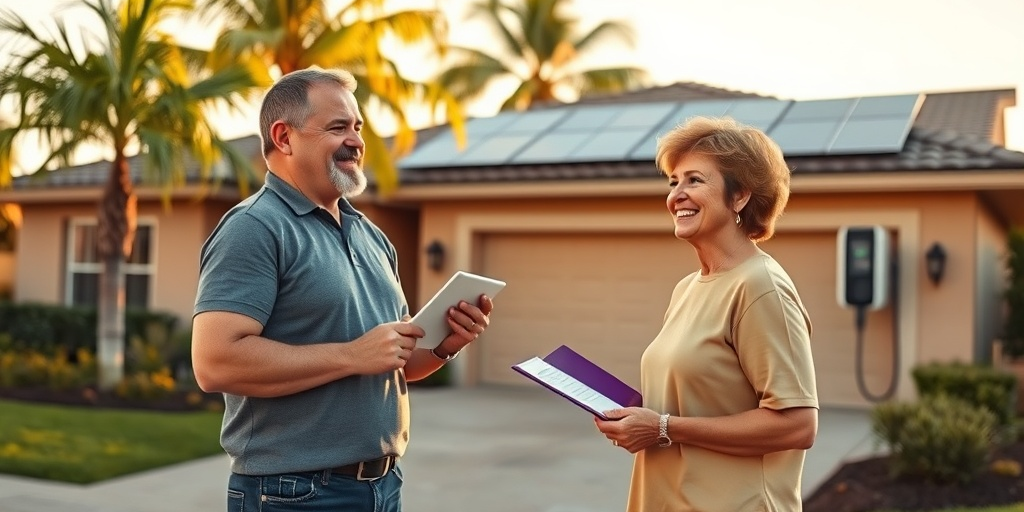
As electric vehicle (EV) ownership surges in popularity, driven by a societal shift toward sustainability and technological advances, Florida homeowners are at the forefront of this transition. Did you know that by 2025, the number of electric cars on the road is expected to exceed 18 million nationwide, with strong growth predicted in sunny states like Florida? This dramatic rise not only suggests a need for more electric vehicle chargers but also emphasizes the importance of home energy efficiency. In this enlightening piece, titled “What You Need to Know About EV Charger Installation in Florida,” we will explore how proper installation can significantly enhance your home’s efficiency while reducing energy costs. Moreover, studies show that installing EV chargers can increase property values by up to 7% (NREL.gov), making it a smart investment for any homeowner.
Why does this topic matter now, especially in 2025? With incentives for renewable energy expanding and utility costs continuing to rise, investing in solar energy paired with vehicle charging stations is not just a trendy decision, but a financially savvy one. Equipped with effective solutions, homeowners can take ownership of their energy future while decreasing their carbon footprint. This post will delve into five critical sections: an enlightening case study on EV charger installation, a comprehensive checklist for planning your installation, a myth-busting segment that clarifies common misconceptions about the process, a local focus highlighting Florida-specific incentives and statistics, and a detailed analysis of the technical aspects of EV charger systems. Let’s get started!
Transforming Your Home: An In-Depth Look at EV Charger Installation
Imagine this scenario: Meet Sarah, a Florida homeowner who recently welcomed an electric vehicle into her life. As she embraced the convenience and eco-friendliness of her new car, she quickly recognized the hassle of finding public charging stations. Frustrated with charging wait times and limitations, she decided to consider ev charger installation at home. This marked the beginning of a transformative journey not only for her convenience but also for her home’s overall energy dynamics.
Sarah quickly learned about the numerous benefits associated with having an EV charger installed. According to a report by the International Council on Clean Transportation, Florida is projected to have approximately 1.5 million electric vehicles on the road by 2030. With an EV charger, she no longer has to rely on public stations, allowing her to charge overnight in the comfort of her home.
Checklist: 5 Essential Steps to EV Charger Installation
As Sarah navigated her way through the installation process, she discovered a series of actionable steps that every Florida homeowner could follow:
- Step 1: Assess Your Energy Needs – Consider the mileage you drive each day and determine the level of charging required. Most households may need a Level 2 charger for effective charging.
- Step 2: Check Local Permits and Regulations – Contact your local municipality to understand zoning laws and permitting requirements. Florida public utilities may have specific guidelines for charger installation.
- Step 3: Choose the Right Charger – Based on your vehicle’s specifications, decide on the type of EV charger that suits your needs, remembering that most Florida homes find Level 2 chargers most efficient.
- Step 4: Select a Certified Installer – It’s crucial to hire a licensed electrician familiar with EV charging regulations. They can ensure proper installation and compliance with safety standards.
- Step 5: Explore Incentives and Rebates – Florida offers several incentives for EV charger installation. Research available options that could reduce the financial burden of your project.
As Sarah completed these steps, she felt empowered knowing that each decision contributed to her energy independence and overall sustainability at home. This detailed checklist is designed to guide every Florida homeowner through the installation process confidently.
Myth-Busting Common Misconceptions about EV Chargers
Despite the increasing popularity of electric vehicles and their charging infrastructure, several myths continue to circulate that can deter homeowners from considering EV charger installation:
- Myth #1: EV Chargers Are Too Expensive – Many homeowners believe that the cost of chargers is prohibitively high. In reality, prices have dropped significantly, with basic models available for as low as $500, and many states offer rebates to offset installation costs (SEIA.org).
- Myth #2: You Can Only Use Specific Chargers for Your Car – While each vehicle may come with its specific charging plug type, most EVs can adapt to different charging stations through adapters. This choice broadens your options when selecting a home charging solution.
- Myth #3: Charging at Home Takes Too Long – Charging your electric vehicle overnight using a Level 2 charger can take as little as four to six hours. Compared to the hours spent waiting at public charging stations, it’s a more convenient option.
- Myth #4: EV Chargers Higher Your Electric Bill – Many homeowners think that EV charging drastically increases their energy consumption. However, studies indicate that charging an EV costs about half as much per mile compared to gasoline (Energy.gov).
These myths only serve to create unnecessary confusion and doubt for potential EV owners. As more Florida homeowners embrace the practicality of charging at home, these misconceptions will gradually fade into obscurity.
Focusing on Florida: Understanding Local Trends and Incentives
Florida’s innovative energy policies and incentives make it one of the best states for EV ownership. The state government, spurred by increasing greenhouse gas emissions, is investing heavily in renewable energy infrastructure. The 2021 Florida Power & Light Company (FPL) report stated that over 40% of the state’s energy is sourced from renewables, including solar power. For homeowners thinking about implementing EV charger installation, this is not only an environmentally conscious choice but a financially rewarding one.
Here are some incentives and financial considerations that specifically apply to Florida residents:
- Federal Tax Credit – Homeowners can receive a federal tax credit for 30% of the installation costs related to residential charging stations, which can significantly soften the financial impact.
- Local Utility Programs – Many utilities including FPL offer additional rebates for installing EV chargers, helping to further offset costs.
- Increased Property Value – Installing an EV charger can enhance your home’s marketability and increase its value. Research shows properties with home charging capabilities have appreciated roughly 7% (NREL.gov).
Understanding these local trends and incentives will not only assist potential EV owners in making informed decisions but will also facilitate a larger conversation around the importance of sustainability in everyday life.
Technical Deep-Dive: The Components of an Effective EV Charger System
When Sarah took the plunge and installed her EV charger, she quickly realized that the technical aspects of the installation needed careful consideration. Understanding the components of an effective charging system can empower Florida homeowners to make the best decisions for their energy needs.
The key components of an EV charger system are:
- Charger Types – As mentioned before, Level 1 and Level 2 chargers are the most popular. Level 2 chargers are preferred for home installations due to their faster charging times.
- Installation Requirements – Depending on the charger type chosen, ensure that your home’s electrical panel can support the increased load. An electrician should assess this during the installation process.
- Battery Storage Systems – Some homeowners may consider adding battery storage to store energy generated from solar panels, allowing them to fully utilize their investment even when the sun isn’t shining.
- Smart Charging Capabilities – Many modern chargers come with smart features allowing users to monitor and control charging via apps, optimizing energy costs in accordance with off-peak pricing.
These components highlight the necessity for informed decision-making when considering EV charger installations. Choosing the right equipment and understanding the capabilities within the market can make a significant difference in long-term satisfaction and savings for Florida homeowners.
Next Steps for Florida Solar Buyers in 2025
With the wealth of information available, it’s time to take definitive action toward embracing this electric future. Here’s a streamlined action plan for Florida homeowners thinking about EV charger installation:
- Step 1: Audit Your Electric Bill – Review past utility bills to understand your energy consumption and identify how EV charging will impact your expenses.
- Step 2: Choose Your EV Charger – Decide on the model that best fits your driving habits and electrical capacity.
- Step 3: Schedule a Professional Installation – Contact certified electricians who specialize in EV charging installations in Florida.
- Step 4: Apply for Incentives – Research and apply for available federal and state incentives that can reduce your upfront costs significantly.
- Step 5: Monitor Your Usage – Post-installation, track your charging habits and performance to maximize savings and efficiency.
As Florida homeowners look ahead to 2025 and beyond, preparing for the electric vehicle revolution will not only help reduce energy costs but will also positively impact the environment.
In conclusion, the decision to install an EV charger at home will inevitably enhance your life in numerous ways—from energy independence to increased property value. This journey not only addresses immediate convenience but positions homeowners like Sarah to contribute to a sustainable future. With rising EV ownership, evolving energy efficiency regulations, and the urgency of climate change, making informed decisions in 2025 has never been more necessary.
Ready to start your solar journey in 2025? Connect with a certified expert at floridaelectricandsolar.com today.
Related Articles
More insights about EV Charger

What Florida Homeowners Ask About Solar EV Charger Installation

Florida Homeowners Exploring EV Charger Installation Benefits

Beginner’s Guide to Understanding EV Charger Installation for Homeowners
Ready to Go Solar?
Have questions about solar energy? Our experts are here to help you make the switch to clean, renewable energy.