
Why Florida Homeowners Should Consider EV Charger Installation
Share:
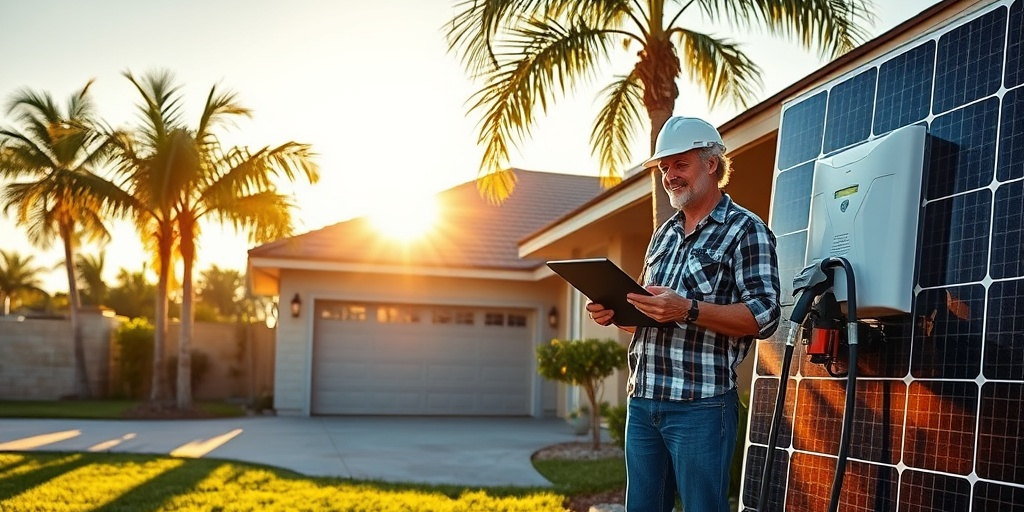
In 2025, the landscape of energy consumption is set to shift dramatically, especially for Florida homeowners as we pave the road toward a more sustainable future. Did you know that electric vehicle (EV) sales surged by 55% in 2022 alone, with projections estimating that EVs will account for 40% of all vehicle sales in the U.S. by 2030? With this surge comes an urgent need for seamless EV charger installation, which can greatly enhance energy efficiency for both homeowners and their vehicles (EVSalesData.org). Moreover, Florida’s commitment to renewable energy resources has established an enticing environment for property owners interested in going solar, especially with the increasing statewide incentives for residents to adopt solar power systems (FloridaSolarEnergy.org). In the article titled Why Florida Homeowners Should Consider EV Charger Installation, we will explore how the integration of EV chargers can not only boost the value of your home but also harmonize with solar power systems, creating a harmonious ecosystem of sustainable energy consumption.
As Florida steps confidently into 2025, rising energy costs and an ever-growing desire for energy independence compel homeowners to consider their options closely. With the latest technological advancements, including state incentives for renewable energy systems, there has never been a more optimal time to pivot towards energy-efficient solutions, including EV charger installations. This topic matters deeply today, as making a strategic choice can lead to savings, sustainability, and a significant increase in property value. In this blog, we will delve into five insightful sections:
- A deep dive into why Florida homeowners are making a case for EV charger installations.
- A practical checklist for planning your own EV charger installation.
- Myths debunked about EV chargers and solar integration.
- Florida’s specific energy landscape and how it affects EV ownership.
- Technical insights into optimizing your home for solar energy and EV charging.
Let’s embark on this exciting journey of discovering the benefits of EV charger installation and how it uniquely serves the interests of Florida homeowners.
Why Florida Homeowners Should Embrace EV Charger Installations
Imagine Sarah, a homeowner in Orlando, always conscious of her carbon footprint and energy expenses. After purchasing an electric vehicle last year, she found herself relying heavily on charging stations around town. This reliance brought her frustration over the availability and accessibility of public chargers. After a conversation with a neighbor who installed an EV charger at home, Sarah decided to take the plunge. She quickly realized that not only was her charging experience more convenient, but the installation also helped her save on long-term electric bills.
Sarah’s experience isn’t unique. Many Florida homeowners are seeking ways to maximize convenience, sustainability, and cost-effectiveness through EV charger installations. Given the data indicating a 200% increase in state-level rebates for EV-related products, now is undoubtedly a fitting time for Florida residents to explore this avenue (FloridaEVRebate.com). Here’s a practical checklist to guide you through the steps involved in planning and implementing your own EV charger installation at home.
Checklist for Installing an EV Charger at Home
If you are ready to jump-start your journey toward EV ownership and install a charger at home, follow these essential steps:
- Step 1: Assess Your Home’s Electrical Capacity
Before making any moves, it’s crucial to analyze your home’s electrical capacity. Consider hiring a qualified electrician to evaluate whether your electrical system can support the additional load of an EV charger. Most chargers, especially Level 2 chargers, require a dedicated circuit. - Step 2: Explore Rebate Programs
Utilize Florida’s incentive programs to reduce the initial cost of your charger. Homeowners can access various local rebates designed to support EV infrastructure growth. Research and choose the options that best suit your financial situation. - Step 3: Select the Right Charger
Depending on your driving habits, determine whether a Level 1 or Level 2 charger is best for you. Level 1 chargers are slower and can charge a vehicle overnight, while Level 2 chargers offer quicker charging solutions. - Step 4: Hire a Qualified Installer
Seek out certified professionals experienced in EV charger installations. An inexperienced installer might mistakenly create safety hazards or inefficiencies in your charging setup. - Step 5: Monitor Your Energy Usage
Once your EV charger is installed, utilize electric monitors to track your consumption reduction. Understanding your energy usage will help optimize your solar integration with the charger setup.
By following these steps, you can look forward to a convenient home charging experience. Remember, seamless integration of an EV charger with your existing solar power system maximizes efficiency and ultimately leads to cost savings.
5 Myths About EV Charger Installation Debunked
As beneficial as EV chargers can be, misconceptions about their installation and use can deter homeowners from making the leap. Here, we dispel five common myths surrounding EV charger installation.
- Myth #1: Installing an EV Charger is Too Expensive
While the upfront cost may seem daunting, numerous rebates and tax incentives can significantly reduce the out-of-pocket expenses associated with EV charger installation. Long-term savings on fuel costs further alleviate the financial burden. - Myth #2: EV Chargers are Complicated to Use
Modern EV chargers are designed for user-friendliness. Many come equipped with programmable features and smartphone apps that provide real-time information about the charger’s status. - Myth #3: You Don’t Need a Home Charger if You Use Public Charging Stations
Public charging stations can be unreliable and may require waiting in line. Having a charger at home ensures you start each day with a fully charged EV. - Myth #4: All Electric Vehicles are the Same
Different electric vehicles have different charging requirements. Understanding your vehicle’s charging needs is crucial for selecting the right home charger. - Myth #5: Solar Energy Solutions Don’t Integrate with EV Charging
In fact, integrating solar power with EV charging creates a sustainable and cost-effective energy solution, allowing homeowners to power their vehicles with clean energy.
Debunking these myths helps homeowners to embrace the numerous potential benefits that EV chargers can provide, including increased property value and energy independence. Now let’s delve into how the Florida energy landscape specifically encourages the adoption of EV chargers.
Florida’s Energy Landscape and EV Adoption
Florida is uniquely positioned as a state that actively encourages the transition to electric vehicles. The state’s initiative to cut greenhouse gas emissions by 40% by 2030 makes it an ideal environment for both EV ownership and solar energy integration (FloridaEnergy.gov). Here are four key components of Florida’s energy landscape that make it appealing for EV charger installations:
- Government Incentives: The Florida government provides various rebates and tax credits for the installation of EV chargers, making it financially advantageous for homeowners.
- Growing Charging Infrastructure: The state is steadily improving public EV charging networks, making it easier for drivers to jump aboard the electric vehicle trend. According to a recent report, Florida plans to expand its public charging stations by 25% in the next year (EVInfrastructureReport.com).
- Proximity to Solar Resources: With plenty of sunshine, Florida ranks as one of the top states for solar energy potential. This abundance of solar can be harnessed to power EV chargers, creating hybrid systems that promote sustainability.
- Increasing Consumer Interest: As electric vehicle sales soar, consumer interest in charging solutions is on the rise. A recent survey indicated that residential charging installations are expected to grow by over 75% in Florida over the next 5 years (FloridaEVSurvey.com).
Understanding these dynamics emphasizes the importance of EV charger installations and the immediate impact they can have on energy efficiency and property value. With this knowledge gained, let’s dive deeper into the technical intricacies surrounding solar installations that complement EV charging solutions.
Technical Deep-Dive: Integrating EV Chargers with Solar Power Systems
The intersection of electric vehicle chargers and solar energy is a technical marvel that offers both convenience and sustainability. Here’s a breakdown of essential components for homeowners to consider:
- Battery Storage Options: Homeowners can pair their solar systems with battery storage solutions, which allows them to store excess energy produced by solar panels during the day for use in charging their vehicles at night.
- Smart Charging Solutions: Many modern EV chargers come equipped with Wi-Fi connectivity, which allows users to manage their charging schedules, monitor energy use, and optimize charging times to align with periods of high solar energy production.
- Net Metering: Florida offers net metering policies, where homeowners can sell excess solar energy back to the grid. This helps offset costs and can even provide additional revenue, making the overall investment more worthwhile.
- Electrical Load Management: Using load management systems ensures you can safely use multiple energy-consuming devices, such as your EV charger and home appliances, without overloading your electrical system.
As we’ve covered the technical aspects, it’s essential to put this information into action and understand the next steps to make your solar and EV charger installation seamless and efficient.
Next Steps for Florida Solar Buyers in 2025
The journey toward integrating solar power with an EV charger installation doesn’t have to be overwhelming. Here’s a simple action plan to guide you through the process:
- Step 1: Audit Your Electric Bill
Understand your electricity usage patterns and analyze your bill to determine your potential savings with solar and EV installations. - Step 2: Research Solar Providers
Identify reputable solar companies in Florida, like Florida Electric & Solar, that offer competitive pricing and excellent customer service. - Step 3: Schedule a Consultation
Meet with solar energy experts to discuss your specific needs, including your interest in EV charger installations. - Step 4: Consider Financing Options
Explore financing and leasing options available for solar power systems and EV chargers, making it even easier to get started on your installations. - Step 5: Monitor and Optimize
Once your systems are installed, regularly evaluate your energy usage and system performance for ongoing improvements.
Equipped with this action plan, you can confidently navigate your transition toward solar energy and EV ownership. In closing, let’s recap why these decisions are vital for Florida homeowners.
In conclusion, the installation of EV chargers is not merely an add-on; it offers significant benefits for Florida homeowners in 2025. Whether it’s the potential for increased home value, reduced electric bills, or a reduced carbon footprint, the advantages are compelling. With rising energy costs and a cathartic shift toward renewable energy sources, the time to act is now. Make an informed choice that will positively impact your family and future.
Ready to start your solar journey in 2025? Connect with a certified expert at floridaelectricandsolar.com today.
Related Articles
More insights about EV Charger

What Florida Homeowners Ask About Solar EV Charger Installation

Florida Homeowners Exploring EV Charger Installation Benefits

Beginner’s Guide to Understanding EV Charger Installation for Homeowners
Ready to Go Solar?
Have questions about solar energy? Our experts are here to help you make the switch to clean, renewable energy.