
Why Florida Homeowners Should Consider Solar Energy Independence
Share:
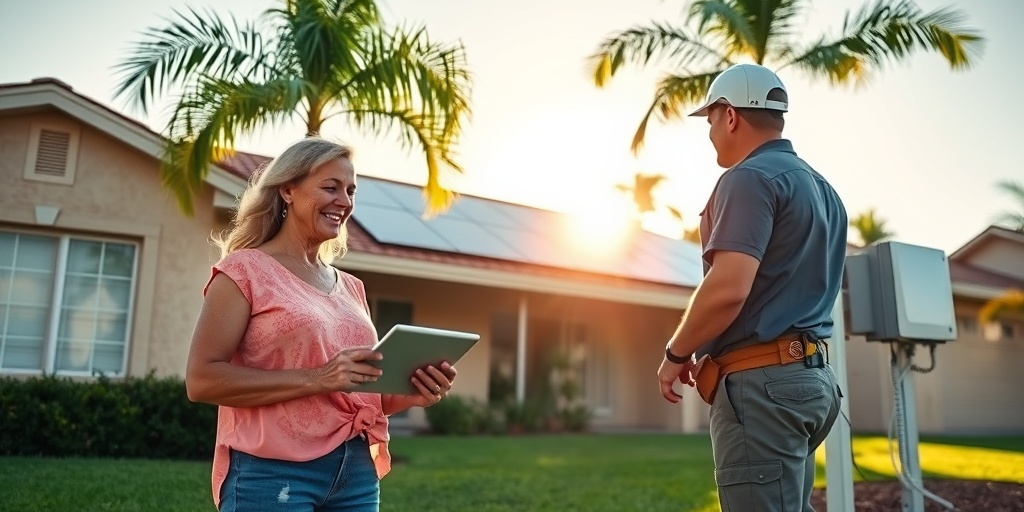
In 2022, a staggering 30% of Floridians turned to solar energy, partly driven by rising electricity costs and the quest for greater energy independence. As we approach 2025, the urgency intensifies for homeowners across this sun-kissed state. This trend isn’t just a fad; it’s a crucial movement towards sustainability and financial freedom. In our article titled Why Florida Homeowners Should Consider Solar Energy Independence, we’ll uncover essential insights that demonstrate why now is the perfect time to make the leap to solar power.
Expect the energy landscape in Florida to shift dramatically in the coming years. According to the Solar Energy Industries Association, Florida ranks as the third-largest state for solar adoption in the U.S., which highlights a growing awareness among residents about the importance of solar. Additionally, with an impressive 48% increase in new solar capacity installed in 2022 compared to the previous year, it’s evident that solar energy independence is not just a trend, but a necessary evolution for our homes and businesses (SEIA.org).
As the effects of climate change intensify and electricity rates soar, the need for renewable energy solutions becomes more pressing. With added federal incentives slated to take effect, 2025 becomes a pivotal point in the transition to solar power. In our exploration, we’ll delve into five impactful sections:
- Section 1: An angled deep dive into real-life solar experiences and fears in Florida.
- Section 2: A checklist of actionable steps to kickstart your journey.
- Section 3: Busting prevalent myths that may doubt your solar ambitions.
- Section 4: An in-depth look at Florida’s solar policies and systems.
- Section 5: A concrete action plan for purchasing solar to maximize benefits.
These insights will empower Florida homeowners to embrace solar energy more confidently in their quest for energy independence. Let’s illuminate the path ahead!
Unleashing Solar Energy Independence: Florida’s Path to Sustainability
Imagine a life where your electricity bills are slashed down to practically nothing, where the sun serves as your primary energy source. For many Florida homeowners, this is not merely a dream but a burgeoning reality. Meet Sarah, a devoted mother of three living in suburban Orlando, who recently embarked on her solar journey. Sarah was initially apprehensive due to rising electricity rates, which had dramatically increased by 20% in the last five years alone (FloridaPublicUtilities.com). However, after doing her research and tapping into a local solar retailer, she discovered the truth about solar energy independence. This journey transformed her home, cutting electric bills by over 75% in just one year.
As Sarah stands by her freshly installed solar panel system, she reflects on her old electric bill with a mix of relief and disbelief. “I never imagined I could produce my own energy,” she shares. Sarah’s experience represents the broader narrative for many homeowners in Florida, a tale of fear turned into empowerment. The urgency for adopting solar energy is underscored by new financial incentives set to launch in 2025, amplifying the appeal of this transition (Energy.gov).
Here’s a succinct checklist designed to help you begin your solar energy journey:
- Step 1: Analyze your current energy consumption and electric bills – understanding your consumption patterns is fundamental for sizing your solar system accurately.
- Step 2: Research local solar providers – focus on reputable companies with strong customer reviews and testimonials.
- Step 3: Schedule a consultation and installation – getting quotes and estimates will allow you to compare costs and financing options.
- Step 4: Understand the grants and incentives available in Florida – max out your savings by taking full advantage of available state and federal programs.
- Step 5: Review the long-term benefits – think beyond savings, consider your energy independence and the impact on the environment.
Despite all the data supporting solar energy, myths still cloud the path to adoption. Let’s dispel some of the most common misconceptions that might be holding you back.
Myth-Buster: Debunking Common Beliefs About Solar Energy
Myth #1: Solar is Too Expensive. While initial costs appear high, the return on investment can be substantial, with savings typically outpacing the costs within a few years thanks to state subsidies and tax credits (NREL.gov).
Myth #2: Solar Panels Only Work in Sunny States. This is false; solar technology performs effectively even in less sunny conditions. Floridians have the advantage of abundant sunlight, drastically enhancing performance (SEIA.org).
Myth #3: Solar Panels Require a Lot of Maintenance. In actuality, solar panels require very little maintenance; a simple cleaning and inspection every few years can keep them functioning optimally.
Myth #4: Solar Energy Isn’t Reliable. With advancements in battery storage, homeowners can store excess energy generated during sunny days for nighttime use, ensuring consistent energy availability.
Myth #5: I Can’t Go Solar Because My Roof Isn’t Suitable. Various solutions exist, including ground-mounted systems, which can be installed if rooftop options aren’t viable, allowing nearly anyone access to solar solutions.
As we look at Florida’s specific conditions, it’s essential to acknowledge that the average homeowner can expect moderate savings of around 40% on energy bills after transitioning to solar (EnergyInformationAdministration.gov). Dive deeper into these facts and consult with a local expert to visualize your potential savings journey: floridaelectricandsolar.com.
5 Expert Solar Installation Tips for 2025
Wondering how to maximize your solar system’s performance and longevity? Here are five expert tips for a successful solar installation that every Florida homeowner should follow:
- Correct Panel Placement: Don’t skimp on panel placement. The angle and direction of your solar panels directly affect energy production; ideally, they should face south for maximum sunlight exposure.
- Choose Quality Components: Invest in high-efficiency panels and reliable inverters. A quality solar system will deliver better performance and lower maintenance costs long-term.
- Incorporate Battery Storage: To enhance your system’s efficiency, consider battery backups. These allow you to store excess energy generated during the day for use during power outages or at night.
- Understand Net Metering: Familiarize yourself with Florida’s net metering regulations to optimize savings. This allows you to receive credits for excess energy your system feeds back into the grid.
- Regular Maintenance Checks: Establish a routine maintenance schedule. While solar panels are relatively low-maintenance, ensuring they’re clean and clear of debris can sustain optimal performance.
Understanding these practices can lead to increased efficiency and overall satisfaction with your solar system. For detailed insights on solar installations, head over to floridaelectricandsolar.com.
Florida Homeowner’s Solar Journey: A Personal Narrative
Let’s explore the fictional story of Mark, a 40-something Florida homeowner. Faced with rising energy costs, Mark hesitated for years about converting to solar energy. Finally, after watching his neighbors save hefty amounts on their electrical bills, he decided it was time to take action. With a family of four depending on power for all their needs, he knew the cost-effectiveness could not be ignored.
After seeking local advice and connecting with a solar provider, Mark learned the ins and outs of the installation process. He was surprised to find that the state offered various incentives, such as the Florida Solar Rebate Program, which would significantly offset his initial costs (FloridaSolar.org).
Mark completed the following checklist before installation:
- Reviewed his electric bill to assess average monthly costs.
- Searched for nearby solar providers and gathered quotes.
- Applied for state incentives and ensured eligibility.
- Scheduled the installation at a time that worked for his family.
- Educated his family on energy conservation measures.
Within weeks, Mark’s new solar system was operational, and he already began to see personal savings. His bills dropped by 60%, and he noted that there had been a remarkable shift in family dynamics. “We feel empowered to manage our energy usage better,” Mark said happily. The financial benefits coupled with a sense of sustainability made his decision worthwhile. And as we look towards 2025, Florida anticipates a 30% increase in solar panel installations due to growing public awareness and availability of incentives (SEIA.org).
Next Steps for Florida Solar Buyers in 2025
As you step toward solar energy independence, follow this comprehensive checklist to ensure you’re fully prepared for ownership:
- Step 1: Audit Your Electric Bill. Study your past usage to determine if solar is a financially viable option. Look for trends—are your bills consistently rising?
- Step 2: Research and Compare Solar Options. Investigate local companies, read reviews, and get multiple quotes to find the best fit for your needs.
- Step 3: Understand Financing Options. Explore financing alternatives like solar loans, leases, or outright purchases, which align with your financial goals.
- Step 4: Apply for Incentives. Take advantage of federal tax credits and state rebates to reduce your upfront costs.
- Step 5: Finalize Your Installation Plan. Plan the design and layout of your solar system, considering factors like roof orientation and shade.
Diving into these steps will equip you with the confidence to transition to solar energy. For further assistance, visit floridaelectricandsolar.com, where our certified experts can guide you through each part of the solar journey.
As we wrap up our exploration of why Florida homeowners should consider solar energy independence, it becomes clear that the future awaits those ready to seize it. Rising energy costs and environmental concerns make this an urgent matter for homeowners seeking financial stability and sustainability. Remember Sarah, Mark, and countless others who transformed their lives through solar. The motors of change are turning rapidly, so take the leap for your family and your future.
Ready to start your solar journey in 2025? Connect with a certified expert at floridaelectricandsolar.com today.
Related Articles
More insights about Solar Energy

How Long Do Solar Panels Last in Florida? What to Expect From Your System

Myth-Buster: Separating Truth from Fiction About Solar Energy Savings

Beginner’s Guide to Solar Energy Independence for Florida Homeowners
Ready to Go Solar?
Have questions about solar energy? Our experts are here to help you make the switch to clean, renewable energy.