
Florida Residents: Explore the Benefits of EV Charger Installation
Share:
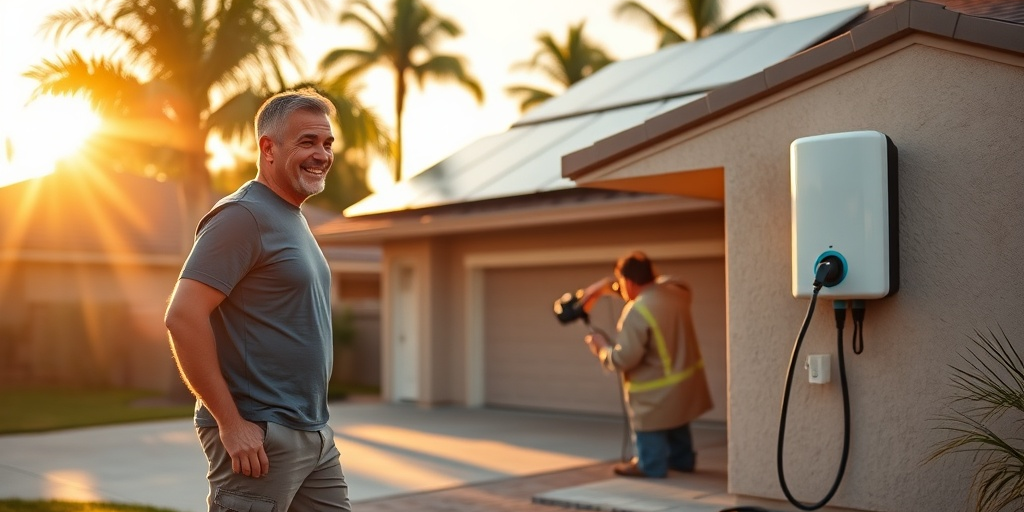
As electric vehicles (EVs) gain traction in the Sunshine State, Florida residents are finding themselves at a technological and environmental crossroads. Did you know that as of 2023, Florida holds the third-largest market for electric vehicles in the United States, with over 200,000 registered EVs? This surge is poised to increase, especially with new initiatives in 2025 focusing on sustainability and energy efficiency (NREL.gov). If you’re among the many homeowners contemplating this transition, you might be wondering about the benefits of integrating an EV charger into your residence. The article titled Florida Residents: Explore the Benefits of EV Charger Installation guides you through this electric evolution. Not only does the installation of an EV charger enhance the value of your home, but it also provides substantial long-term savings while contributing to a more sustainable future. This is particularly critical in 2025, as rising energy costs and new solar incentives will be paramount for homeowners. In this comprehensive guide, we will explore the importance of residential EV charger installation, with particular emphasis on five essential sections: the local case study of a Florida resident, a detailed checklist for installation, debunking common myths, best practices specifically for Florida residents, and the technological details of EV chargers.
Section 1: A Local Journey with EV Chargers
Meet Jane, a Florida homeowner and mother of two who recently made the leap into electric vehicle ownership. Living in Orlando, Jane always had a passion for sustainability, but it wasn’t until she purchased an electric SUV that she became acutely aware of the necessity for a home EV charger. Initially overwhelmed by the installation process and the associated costs, she turned to local experts for advice, beginning her transformation into a homeowner who not only cares for her family but also the environment.
Jane’s journey began with a simple question: how can she sustainably power her electric vehicle? After conducting her research, she discovered that the installation of an EV charger could significantly increase her property value, especially now that Florida is making headway towards renewable energy sources. According to the Florida Solar Energy Center, homes with EV chargers are often valued at 5% more than similar homes without (FSEC). This knowledge prompted Jane to act. Here’s how she navigated her EV charger installation:
- Assessing the Home’s Compatibility: Jane discovered that her home’s electrical panel had adequate capacity to support an EV charger, requiring only minor upgrades.
- Choosing the Right Charger: With a variety of chargers available, she selected a Level 2 charger, which offers the fastest charging times.
- Hiring Qualified Installers: Jane sought help from a certified professional to ensure that the installation complied with local regulations and safety standards.
- Utilizing Incentives: She was thrilled to learn about state tax credits available for EV charger installations, helping offset the initial costs.
- Understanding Ongoing Savings: With a complete installation, Jane now enjoys reduced monthly energy bills, benefitting from off-peak charging rates.
This real-life case illustrates how an EV charger installation can not only enhance property value but also streamline daily life for Florida residents. In a time of rising energy costs, encouraging such sustainable practices is crucial for those on the fence about making the switch.
Section 2: Your EV Charger Installation Checklist
The process of installing an EV charger can seem daunting, but with the right checklist, you can simplify the entire endeavor. As a Florida resident, keeping these crucial steps in mind will help ensure a successful installation:
- Step 1: Evaluate Your Electrical Panel’s Capacity – Before you start, determine whether your electrical system can handle the additional load from the charger. Consider scheduling a professional audit.
- Step 2: Select the Appropriate Charger – Research and choose between Level 1 or Level 2 chargers. Level 2 chargers are ideal for home installations as they charge your vehicle faster.
- Step 3: Check Local Regulations – Each municipality in Florida may have different regulations regarding the installation of EV chargers. Make sure you’re compliant.
- Step 4: Find a Qualified Installer – Look for experienced local electricians with licenses and references; online reviews can aid in making the right choice.
- Step 5: Explore Available Incentives – Florida offers various incentives for homeowners looking to install EV chargers. Check state resources to maximize your savings.
This checklist serves as a foundational guide for Florida homeowners. As you plan your installation, ensure you are prepared, informed, and ready to embrace this incredible technological move toward sustainability. For more insights into the installation process, visit floridaelectricandsolar.com.
Section 3: Debunking Myths About EV Charger Installation
As with any new technology, EV chargers come with a slew of myths that can confuse potential users. Let’s set the record straight on some common misconceptions:
Myth #1: Installing an EV Charger Requires Major Renovations – Many homeowners fear that installation will necessitate extensive electrical work. However, most homes in Florida can accommodate a charger with minor upgrades.
Myth #2: EV Charging is Inconvenient – Unlike traditional gasoline stations, EV chargers can be installed at home, allowing for nighttime charging while you sleep. This means you can start your day with a full battery.
Myth #3: EV Chargers are Unaffordable – While the upfront cost of an EV charger may seem high, state incentives and the savings on fuel and maintenance over time can lead to significant financial benefits (Energy.gov).
Myth #4: All Chargers are the Same – There are various types of EV chargers tailored to different needs. Selecting a higher-quality charger can yield better efficiency and longevity.
Myth #5: Using an EV Charger Will Explode My Electric Bill – In reality, charging your vehicle can be budget-friendly, especially if done during off-peak hours when rates are lower. Research suggests significant savings can be achieved over time (SEIA.org).
Armed with this knowledge, Florida homeowners can approach EV charger installation with greater confidence. Clearing up these myths opens the door for informed decisions about adopting electric vehicle technology.
Section 4: Florida-Specific Benefits of EV Charger Installation
When considering an EV charger installation, it’s essential to recognize the specific advantages available to Florida homeowners. The state is on track to become a leader in renewable energy initiatives, making 2025 an ideal time for your transition.
Here are four benefits specific to Florida residents:
- Incentives and Rebates: Florida has various programs designed to promote renewable energy usage. Residents can benefit from cost-sharing opportunities that lessen the burden of installation expenses.
- Tax Credits: Homeowners may be eligible for federal tax credits of up to 30% when installing EV chargers, making this upgrade even more attractive.
- Environmental Impact: With 90% of the energy produced in Florida coming from natural gas and renewable sources, switching to an EV reduces your carbon footprint and supports the overall shift to sustainable energy (Source: FPL.com).
- Grid Stability and Reliability: By using EV chargers, residents contribute to an adaptive energy model that supports the stability of the grid, which is critical during extreme weather events common in Florida.
Considering these advantages, the notion of installing an EV charger goes beyond simple convenience and ventures into the territory of environmental responsibility and financial prudence. The 2025 energy landscape in Florida offers a unique opportunity for you as a homeowner to embrace this technology.
Section 5: Next Steps for Florida Solar Buyers in 2025
Now that you are informed about the benefits and logistics behind installing an EV charger, you may be wondering how to proceed. Below is a straightforward action plan tailored specifically for Florida residents:
- Step 1: Audit Your Electric Bill – Understanding your current energy consumption will help determine the best time for charging and any necessary upgrades to your home’s electrical system.
- Step 2: Research Local Installers – Do thorough research to find certified local electricians specializing in EV charger installations. Ensure they are experienced and come highly recommended.
- Step 3: Evaluate Charger Type and Installation Costs – Shop around and compare different types of chargers. Gather quotes from installers to understand projected expenses better.
- Step 4: Apply for Incentives – Look into potential rebates or tax credits ahead of the installation to maximize your financial advantage.
- Step 5: Schedule the Installation – Once you have confirmed your selected charger and installer, schedule the installation to streamline the process.
By following these steps, you will demystify the EV charger installation process while taking steps toward an eco-friendly energy future. If you’re ready to proceed, consider reaching out for assistance at floridaelectricandsolar.com for more information.
In conclusion, as we explored the benefits of EV charger installation, it’s clear that this upgrade goes beyond personal convenience. By enhancing your home’s value and promoting sustainability, you’re investing in a greener future for Florida. The urgency of 2025, with rising energy costs and the ongoing shift towards renewable energy, makes this an ideal time for Florida homeowners to consider this transition. Remember, you’re not just charging your vehicle; you’re fueling a brighter future for you and your family. Ready to start your solar journey in 2025? Connect with a certified expert at floridaelectricandsolar.com today.
Related Articles
More insights about EV Charger

What Florida Homeowners Ask About Solar EV Charger Installation

Florida Homeowners Exploring EV Charger Installation Benefits

Beginner’s Guide to Understanding EV Charger Installation for Homeowners
Ready to Go Solar?
Have questions about solar energy? Our experts are here to help you make the switch to clean, renewable energy.