
Why Gulf Coast Residents Should Explore EV Charger Installation
Share:
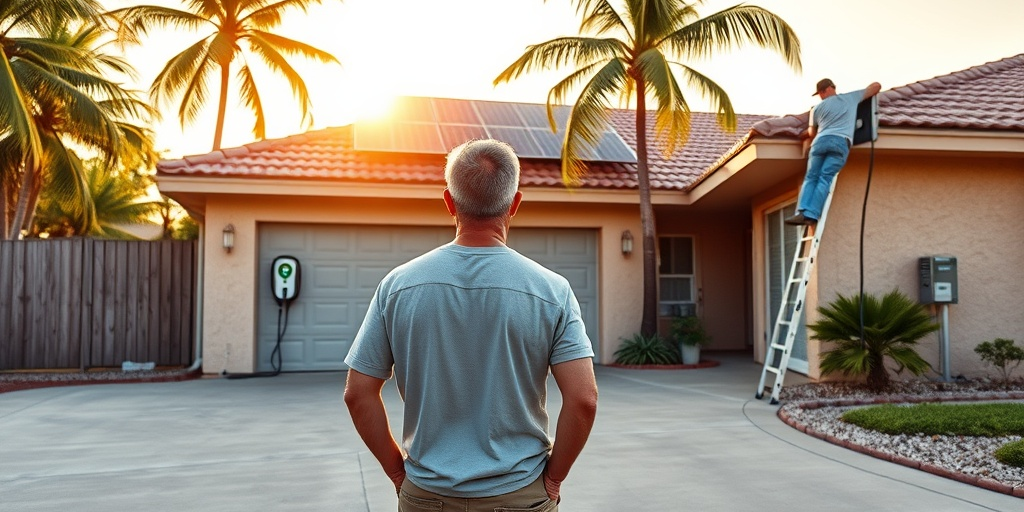
Imagine this: You pull into your driveway after a long day, an electric vehicle (EV) in tow, eager to plug it into your home charger. With rising fuel prices and increased emissions regulations, this is becoming a reality for many Gulf Coast residents. Yet, a significant part of this beautiful picture hinges on one crucial element: EV charger installation. In today’s post, titled “Why Gulf Coast Residents Should Explore EV Charger Installation,” we dive into the compelling reasons you need to consider this upgrade urgently, especially in 2025. Did you know that in Florida alone, the number of electric vehicles is expected to exceed 600,000 by 2025 (EVAdoption.com)? This surge in EV popularity makes it more important than ever for homeowners to install chargers at home. Furthermore, with savings from going solar often being larger than average electric bills, the combination of solar panels and EV chargers creates a powerful synergy for cost-saving energy solutions. In 2025, the urgency for residential sustainability will only grow. Let’s explore how EV chargers can enhance your home’s infrastructure and reliability. Expect insights into a case study of a local resident, a practical checklist for installation, debunking common myths, a technical deep-dive, and your next steps toward making an informed decision.
Unlocking the Benefits of EV Charger Installation for Gulf Coast Residents
John and Sarah, a young couple residing in Pensacola, recently transitioned to electric vehicles. Although excited about their new purchase, they encountered a few challenges related to their charging needs. Initially, they relied on public charging stations, resulting in numerous delays and frustrations. However, after conducting research and recognizing the rising energy costs, they decided to install a Level 2 EV charger at home—a decision that would transform their experience, providing them the convenience and savings they desperately craved.
- Enhanced Convenience: John and Sarah can plug in their EV at home without worrying about charging station availability, saving them time and reducing range anxiety.
- Cost Savings: With the installation of a solar power system paired with their EV charger, they now generate free energy to power their electric vehicle, significantly cutting their monthly energy expenses.
- Increased Property Value: Their home is now equipped with modern tech enhancements that appeal to potential buyers, making it an attractive investment.
- Environmental Impact: They can be proud knowing their driving choice is adding to a greener future, lowering their carbon footprint considerably.
- Long-Term Reliability: With local charger availability becoming a challenge due to the increased demand for sustainable energy sources, having a home installation ensures they always have access to a charging point.
As many Gulf Coast homeowners move towards electric vehicles for both financial and environmental reasons, the installation of EV chargers is not just a luxury but a necessity. According to Nissan, over 50% of EV owners who install home chargers save money in the long run by powering their vehicles during off-peak hours, further compounded by solar power generation (Nissan.com). John and Sarah’s experience demonstrates how critical it is for Gulf Coast residents to consider installing EV chargers alongside solar power systems. Let’s examine practical steps to embark on this transition.
Your Step-by-Step Guide to EV Charger Installation
Transitioning to an electric vehicle and installing a charger may seem daunting, but with our clear guide, you can comfortably navigate the process. Here’s how:
- Step 1: Assess Your Energy Needs – Before installation, evaluate your daily driving habits and determine the required charging capacity for your vehicle. Most EVs require a Level 2 charger for optimal use.
- Step 2: Check Local Regulations – Research local building codes and regulations, as they may impact the type or location of the charger installation.
- Step 3: Hire a Certified Electrician – Work with a qualified electrician to ensure a safe and effective installation that adheres to all safety standards.
- Step 4: Consider Solar Integration – Pair your EV charger with a solar power system to maximize energy efficiency and cut costs. Solar incentives available in Florida can help reduce upfront costs.
- Step 5: Optimize for Future Upgrades – Choose a charger that is compatible with future EV models to ensure longevity and value for your investment.
Each step has its importance, so take your time to evaluate, plan, and execute. For tailored assistance, don’t hesitate to visit floridaelectricandsolar.com, where you can find expert recommendations.
Myth-Busting EV Charger Installations
There are many misconceptions about EV charger installations among Florida homeowners. Let’s clear the air with some fact-based rebuttals:
- Myth #1: EV chargers are too expensive to install.
Contrary to popular belief, the cost of installation has decreased significantly. Many incentives and rebates are available to offset upfront costs (DSIREUSA.org). - Myth #2: You can’t charge an EV with solar energy.
In fact, solar systems perfectly complement EV chargers, allowing you to power your electric vehicle with renewable energy, drastically cutting charging costs. - Myth #3: All EV chargers are the same.
Different EV chargers exist with varying capabilities. Level 2 chargers are faster and more efficient than standard household outlets, making them ideal for home use. - Myth #4: EVs require specialized electrical work.
Most homes can accommodate EV chargers with minimal electrical upgrades, supported by professional installation services. - Myth #5: Charging stations will always be nearby.
With the increase in electric vehicles, having a dedicated charger at home ensures you never face charging delays or inconveniences.
Dispelling these myths is vital for homeowners considering the transition to an EV and the necessary infrastructure to support it. As we move toward the mandate of sustainable energy, understanding the trues enhances informed decision-making.
The Exciting Future of EV Charging in Florida
The future of EV charging in Florida is promising and filled with opportunities. With projections suggesting that by 2025, up to 600,000 EVs could be registered in Florida (FloridaEV.com), it is essential to understand the impact this will have on our local infrastructure and landscape.
- Increased Infrastructure: The growing demand for EV chargers will prompt local governments to invest in more public charging stations, making it easier for residents to travel sustainably across the state.
- Innovative Technologies: Advances in battery technology and smart charging systems will make charging faster, more efficient, and user-friendly.
- Enhanced Solar Integration: As more homeowners opt for solar, the paired investment in charging stations will optimize energy use, resulting in lower bills and a reduced carbon footprint.
- Supportive Legislation: Florida’s government is likely to propose incentives for EV ownership and installations, making it a financially feasible option for more residents.
The transition towards a more sustainable future isn’t just an exciting trend; it’s an essential pathway to preserving our beautiful Gulf Coast environment. As the numbers suggest, every step taken toward EV adoption contributes to a greener future. Florida homeowners must seize this moment with open arms and recalibrate their living spaces towards sustainable energy solutions.
Next Steps for Florida Solar Buyers in 2025
The road to adopting solar power and installing an EV charger doesn’t have to be overwhelming. We’ve laid out a comprehensive action plan to ease your transition.
- Step 1: Audit Your Electric Bill – Start by reviewing your energy consumption to understand how much you can benefit from solar. This helps identify what size system you’ll need.
- Step 2: Research Solar Options – Explore various solar panel options, comparing quality and costs. Use local resources to find Florida-specific incentives.
- Step 3: Set a Budget – Determine your budget for not only solar but also the installation of the charger. Both aspects are crucial for long-term savings.
- Step 4: Partner with Professionals – Seek companies that offer both solar and EV charger installations for a streamlined process. At floridaelectricandsolar.com, our experts guide you through every step.
- Step 5: Installation and Monitoring – Complete the installation, then monitor your energy savings and charging efficiency using the solar app.
Each step reinforces the importance of being proactive in supporting your household’s energy-efficient future. By following these actionable items, you’ll successfully integrate solar energy solutions with your EV charger.
Conclusion
The transition to EV chargers and solar energy solutions is not merely a trend; it’s a crucial step toward sustainability in Florida. We’ve explored the numerous benefits as well as common misconceptions that often cloud decision-making. The urgency for improvements in home energy solutions is evident as we approach 2025. Increased electricity costs, environmental regulations, and changes in consumer preferences are all key drivers that illustrate the vital importance of making informed choices today.
Staying ahead of the curve means embracing change. By investing in EV chargers and solar solutions, Gulf Coast residents not only enhance their daily lives but also contribute to a sustainable future. This decision impacts not only your wallets but also our community and planet’s wellbeing.
Are you ready to start your solar journey in 2025? Connect with a certified expert at floridaelectricandsolar.com today.
Related Articles
More insights about EV Charger

What Florida Homeowners Ask About Solar EV Charger Installation

Florida Homeowners Exploring EV Charger Installation Benefits

Beginner’s Guide to Understanding EV Charger Installation for Homeowners
Ready to Go Solar?
Have questions about solar energy? Our experts are here to help you make the switch to clean, renewable energy.