
Myth-Buster: Clearing Up Misconceptions About EV Charger Installation
Share:
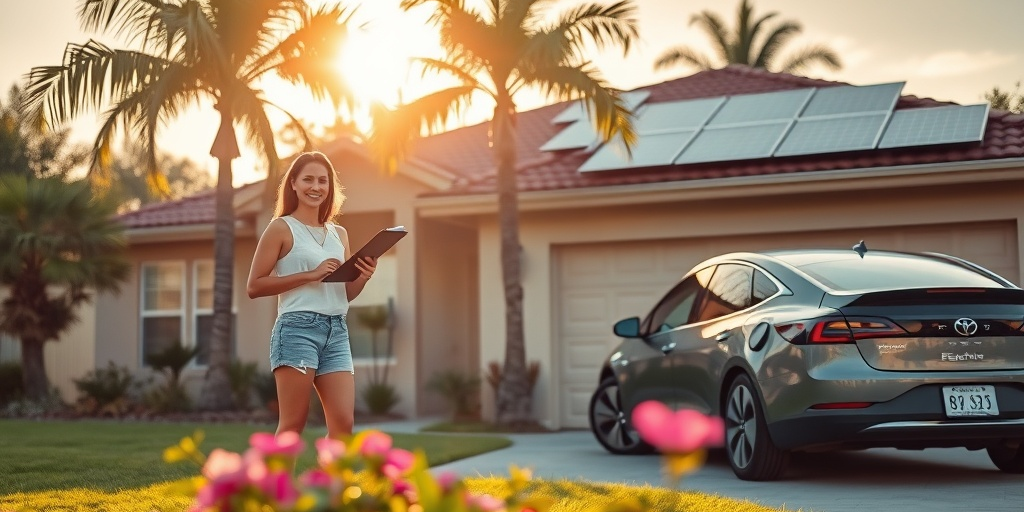
Imagine waking up one day to discover that your electric bill has skyrocketed despite your best efforts to economize—this is a growing reality for many Florida homeowners. As utility companies continue to adjust rates, and with the rising popularity of electric vehicles (EVs), the necessity for reliable and efficient EV charger installation has never been more urgent. This brings us to the topic of today’s blog: Myth-Buster: Clearing Up Misconceptions About EV Charger Installation. Did you know that by 2025, over 500,000 EVs are expected to be operating on Florida roads, according to estimates from (Energy.gov)? With a significant push toward sustainability and the government incentivizing solar energy and EV usage, how can you prepare? Notably, installing an EV charger at home can reduce charging costs, eliminate the frustrations of public charging stations, and align seamlessly with your solar energy system. In our electrifying exploration, we aim to debunk the common misconceptions surrounding EV charger installation, helping you make an informed decision that promotes a sustainable future for you and your family.
In this blog post, we will unravel the truths about EV charger installation through five compelling sections: First, we’ll dive into a real-world case study illustrating the transformative benefits of installing home EV chargers; next, we’ll provide a practical checklist to ensure you’re fully prepared for installation; then we’ll tackle popular myths plaguing potential buyers; followed by a local-focus section that highlights Florida-specific data; and lastly, we’ll take a deep technical dive into how these installations work alongside solar energy systems. By the end of this guide, you will gain not only clarity but also confidence that you can take the next step on your renewable energy journey.
Case Study: The Anderson Family’s Transformation Through EV Charger Installation
Meet the Anderson family, residents of sunny Orlando, who faced a predicament many Florida homeowners relate to: rising energy costs and the desire for a sustainable lifestyle. With gas prices fluctuating wildly and a growing interest in electric vehicles, they decided to make the jump and purchase an electric vehicle. However, they quickly realized they needed a reliable way to charge their new car at home.
Initially, they assumed installing a home EV charger would be an expensive endeavor. After conducting thorough research, they discovered various incentives offered by the state of Florida, including tax credits and rebates for EV ownership and charger installations. Ultimately, the Anderson’s realized that not only would they save money on fuel, but they could potentially lower their electricity bills by integrating the charger with their solar energy system.
- Average charging costs: Most Florida homeowners spend between $0.05 and $0.12 per kWh for electricity, which can lower their monthly fuel costs significantly compared to gasoline (SEIA.org).
- Time and convenience: With a home EV charger, the Andersons now charge their car overnight, ensuring they always start their day with a full battery without the hassle of a public charging station.
- Environmental impact: By going electric and utilizing their solar panels during the day, they not only reduce personal emissions but contribute positively to their community’s air quality.
The Anderson family’s story highlights the potential savings and convenience of EV charger installation. Their decision also showcased how new technology and clean energy solutions can be integrated seamlessly into a single system, providing a lasting, sustainable solution for the future.
As you consider similar options for your own transition to electric vehicles, think about the key factors: costs, availability of state incentives, and the reduction of reliance on traditional fossil fuels. The Andersons not only improved their daily life but set a great example for their neighbors. Transitioning to solar power and going electric may seem daunting, but as demonstrated by real-world experiences, it will have lasting benefits.
Checklist: Preparing for Your EV Charger Installation
Installing an EV charger may seem complex, but with the right preparation, it can be a straightforward process. Here’s a comprehensive checklist to guide you through each step:
- Assess Your Electrical Capacity: Before selecting a charger, check if your home’s electrical panel can handle the additional load. It may require an upgrade, which can affect your installation costs.
- Evaluate Your Charging Needs: Determine whether a Level 1 or Level 2 charger best suits your charging habits. Level 1 chargers are slower and may suffice for occasional charging, but if you’re using your EV daily, opt for a Level 2 charger.
- Research Local Incentives: As mentioned earlier, Florida offers substantial incentives for EV chargers. Research and factor these into your installation budget for potential savings.
- Choose the Right Installer: Look for certified electricians with experience in solar and EV charger installations to ensure your setup complies with local building codes.
- Plan for Future Needs: Consider your future needs; installing a charger now might involve more upfront costs to accommodate future EV purchases or additional capacity for solar integration.
Once you have completed this checklist, you’ll be well-equipped to move forward with your installation confidently, helping clear up any misconceptions. Whether you’re looking to save on fuel costs or reduce your carbon footprint, knowing the steps involved can provide peace of mind.
Myths About EV Charger Installation – Busted!
Despite the growing popularity of electric vehicles, a variety of misconceptions persist surrounding EV charger installation. Here, we will debunk some of the most common myths you might come across:
- Myth #1: EV chargers are too expensive to install. Many homeowners are under the impression that installing a home EV charger will cost a fortune. In reality, with various available grants and incentives, many installations can lead to less than $1,000 out of pocket after savings and rebates (SolarReviews.com).
- Myth #2: Installing a charger will damage the home’s electrical system. A qualified electrician can ensure the installation meets all safety guidelines to prevent potential damage to your home’s electrical system.
- Myth #3: A Level 2 charger isn’t necessary if I have a Level 1 charger. While Level 1 chargers work fine, they can take significantly longer to charge your vehicle; a Level 2 charger can provide up to 25 miles of range per hour. For regular city commuters, this can make a difference in daily convenience.
- Myth #4: EV chargers are not compatible with solar systems. On the contrary, solar systems can significantly reduce the operational costs of EV charging. When paired with a solar array, homeowners can charge their EVs with clean energy, potentially saving even more on electricity costs.
- Myth #5: I don’t use my EV often, so I can skip the charger installation. While an EV can be charged at public stations, having a personal charger at home provides convenience and can save time. Additionally, charging at home allows you to use the power generated from your solar panels directly.
By understanding these myths and their realities, you can make more informed choices about EV charger installation, setting the foundation for a sustainable and convenient lifestyle.
Local Focus: Florida’s Incentives and Policies Driving EV Adoption
Florida is a gubernatorial supporter of electric vehicles and renewable energy, creating an environment conducive to sustainable practices. The state offers a range of incentives aimed at facilitating the transition to electric vehicles and their accompanying charging infrastructure. Here are some notable aspects specifically relevant for Florida residents:
- State Tax Credits: Homeowners who install EV chargers can receive a tax credit of up to $1,000 from the Florida Department of Revenue. This helps offset initial installation costs.
- Utility Company Incentives: Many utility companies in Florida provide rebates that can significantly reduce the cost of installing EV chargers, encouraging residents to make the switch to electric vehicles.
- Infrastructure Expansion: Florida’s government has committed to increasing public charging stations across the state, with plans to have 47,000 charging points available by 2030 (NREL.gov). This expansion makes owning an EV more practical.
By leveraging these benefits, Florida homeowners are positioned well to embrace an all-electric lifestyle, minimize their energy costs, and contribute to environmental sustainability. By being informed about local incentives and available charging stations, you can maximize the cost-effectiveness of your transition. Keep an eye on these developments as they directly impact your potential decisions.
5 Expert Solar Installation Tips for 2025
As we look forward to 2025, many Florida homeowners are considering integrating solar energy and EV charging to create a synergistic relationship. Here are five expert tips to optimize your solar installation:
- Don’t Skimp on Panel Orientation: Properly orienting solar panels can maximize energy production, aiding in the overall efficiency of your EV charge. Make sure panels face south wherever possible to capture the most sunlight.
- Consider Battery Storage: To make your solar installation even more effective, consider adding battery storage. This allows you to store excess energy generated during the day for use at night when charging your EV.
- Check Local Permits and Codes: Before installation, ensure you comply with municipal codes and have the required permits for both solar and charger installations. This can avoid costly delays later on.
- Plan for Future Expansion: As solar technology evolves, plan for expansion. Select solar systems that can adapt to increasing energy demands as you grow your electric fleet.
- Consult with Experts: Engage with professionals who specialize in both solar and EV installations—this ensures a comprehensive understanding of the systems and maximizes benefits.
Implementing these tips will help you successfully navigate the solar landscape and capitalize on upcoming technological advancements, ensuring that you’re ready for the continued evolution of renewable energy.
Next Steps for Florida Solar Buyers in 2025
As you conclude your exploration of EV charger installation and its relevance in tandem with solar energy, consider these actionable next steps:
- Audit Your Electric Bill: Review your recent electric bills thoroughly to identify potential savings and understand your power usage. Knowing your baseline helps target your energy needs accurately.
- Research EV Models: Look into various EV models that meet your needs while considering factors like range, charging times, and battery lifespan. Select a model aligned with your budget.
- Consult with Florida Electric & Solar Experts: Turn to the certified team at floridaelectricandsolar.com for personalized advice tailored to your home and energy consumption.
- Check Local Incentives: Stay informed about the latest local incentives available for EV chargers and solar installations to minimize costs.
- Plan Your Installation Timeline: Organize a timeline for both solar and EV charger installations. Assess if a professional will need to adjust your home’s electrical system during setup.
This plan provides a clear path forward, ensuring that you are prepared to make informed decisions in the evolving landscape of renewable energy. With the right foundation and comprehensive understanding, the transition to solar energy and EV charging can not only be fulfilling but also financially rewarding.
Having journeyed through the nuances of EV charger installation, from debunking common myths to understanding local incentives, let’s recap. Making the transition to a more sustainable lifestyle through solar energy and electric vehicles is now more accessible than ever. As utility prices rise and the call for renewable sources strengthens, the actions you take today may determine your financial relief tomorrow. By embracing electric vehicles and integrating them with your solar solution, you contribute positively to the environment while benefiting your household budget. The momentum toward renewable energy is growing, and your involvement matters.
Ready to start your solar journey in 2025? Connect with a certified expert at floridaelectricandsolar.com today.
Related Articles
More insights about EV Charger

What Florida Homeowners Ask About Solar EV Charger Installation

Florida Homeowners Exploring EV Charger Installation Benefits

Beginner’s Guide to Understanding EV Charger Installation for Homeowners
Ready to Go Solar?
Have questions about solar energy? Our experts are here to help you make the switch to clean, renewable energy.