
Myth: Solar Panels Are Too Expensive for Florida Homeowners
Share:
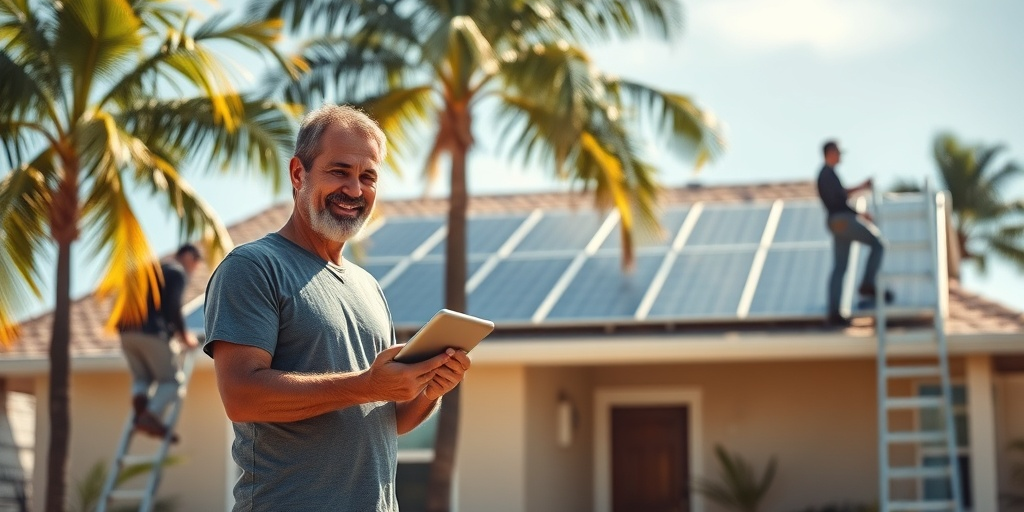
Imagine a world where soaring electric bills transform into substantial savings, where energy independence isn’t just a dream but a reality. In sunny Florida, this vision is becoming clearer every day. Yet, many aspiring solar power enthusiasts are still sidetracked by the prevalent myth that solar panels are too expensive for Florida homeowners. This misconception can prevent you from realizing the true potential of renewable energy in your life. In this blog, titled Myth: Solar Panels Are Too Expensive for Florida Homeowners, we will dismantle this myth piece by piece.
Did you know that the average Florida homeowner can save over $2,000 annually just by switching to solar energy? According to the Solar Energy Industries Association, Florida ranks third in the nation for solar installations (SEIA.org). Furthermore, the U.S. Department of Energy reported that solar costs have dropped by a staggering 89% since 2010 (Energy.gov). With 2025 just around the corner, it’s urgent to address the rising energy costs and to investigate new solar incentives that can help homeowners lower their expenses while enhancing property value.
In this comprehensive guide, we will explore five critical sections: a deep dive into the real cost of solar energy and local case studies, practical checklists for prospective buyers, an exploration of common myths to bust, the latest Florida-specific regulations and statistics, and a detailed technical deep-dive into how solar technology can revolutionize your energy consumption. Buckle up; your journey towards energy independence begins now!
What You Need to Know: The Real Costs of Solar Energy for Florida Homeowners
Let’s debunk the idea that solar panels are beyond your reach. Take the story of Debra, a single mom living in Orlando. Struggling with rising utility bills, she couldn’t afford her monthly energy costs. Skeptical about solar energy, she initially resisted the idea. After a deep dive into the financials of installing solar, she changed her mind. Debra discovered that switching to solar could save her around $150 per month. This was possible with federal tax credits that can cover up to 26% of solar installation costs (SEIA.org), along with local incentives from the Florida legislature.
Here’s a checklist to help you navigate the process of going solar:
- Step 1: Research local solar companies. Look for reputable installers that have experience in your area.
- Step 2: Request and analyze multiple quotes. Compare both installation costs and the quality of equipment.
- Step 3: Understand financing options. Solar loans and leases are available that require little to no upfront cost.
- Step 4: Review the tax incentives benefits. Take note of federal tax credits and state-specific offerings.
- Step 5: Regularly monitor your system’s performance after installation.
Many Florida homeowners believe that the initial investment is prohibitive. However, contrary to that perception, there are multiple financing options. According to the U.S. Department of Energy, the average cost for solar systems has dropped drastically, making solar panels more accessible than ever (Energy.gov). Installation can often lead to increased home value, a fact underscored by the National Renewable Energy Laboratory, which states that homes with solar panels sell for an average of 20% more (NREL.gov). While the upfront costs may seem daunting, long-term savings can offset and greatly exceed those concerns.
Common Myths About Solar Energy: Setting the Record Straight
It’s time to tackle some pervasive myths associated with solar energy that may be holding you back:
- Myth #1: Solar Energy is Only for the Wealthy. The truth is, solar systems are becoming increasingly affordable and accessible to the average homeowner. Solar financing options make it possible for people from various income brackets to go solar.
- Myth #2: Solar Panels Are Ineffective in Cloudy or Rainy Weather. Florida’s sunny climate is favorable for solar energy production, but even in cloudy weather, solar panels can absorb light. Many systems produce up to 80% of their output in cloud-covered conditions.
- Myth #3: You Need to Own Your Home to Go Solar. Rental agreements or lease options often allow homeowners to install solar systems without owning the property outright. This makes solar energy available to more people than ever.
- Myth #4: Solar Panels Are High Maintenance. In reality, solar systems require very minimal maintenance compared to traditional energy systems. Cleaning the panels a few times a year and occasional inspections can keep them functioning optimally.
- Myth #5: After Installation, You Won’t Save Much on Your Electric Bills. Many Florida homeowners have reported significant savings on their utility bills, demonstrating that solar energy isn’t just a trend but a viable way to cut costs.
Understanding these myths is crucial for Florida homeowners looking to take advantage of renewable energy. The more informed you are about the efficiencies and savings, the more empowered you will be to make the leap. Local policies, like the ability to sell excess power back to the grid under Florida’s net metering policy, can lighten your financial burden even more (DSIREUSA.org).
5 Expert Solar Installation Tips for 2025
Ready to install your solar panels? Here are five expert tips to ensure a successful installation:
- Optimize Panel Placement: Ensure that your solar panels are installed in a location that maximizes sun exposure throughout the day. Consider shade from trees or structures that may impact efficiency.
- Invest in Quality Equipment: Don’t skimp on low-cost equipment. High-efficiency panels and reliable inverters will deliver better performance over time.
- Consider Battery Storage: Depending on your electricity needs, investing in a battery backup system can provide you with energy security during outages and allow you to utilize stored energy at night.
- Consult with Local Experts: Work with professionals familiar with local regulations and incentives. Their expertise can guide you through the installation process while ensuring compliance with local policies.
- Regular Monitoring: Set up a system to regularly check the performance of your solar array. This helps identify issues early on and maximize your savings.
According to SolarReviews, homeowners who actively monitor performance can save 15% more on their utility bills over the long term (SolarReviews.com). Don’t forget that solar energy is about harnessing the sun—ensure your system is performing optimally. Work with a reputable installer who can offer robust maintenance programs.
The Solar Journey: A Florida Homeowner’s Tale
Meet Tom, a Florida homeowner who decided to invest in solar energy for his family. Like many, he was initially skeptical. The thought of financing the installation and the many unseen costs worried him. However, through research and firm resolve, Tom discovered he could receive the federal tax credit and additional state rebates that effectively covered a significant portion of his costs.
Here’s what Tom learned through his journey:
- Initial Costs: After getting multiple quotes, Tom realized that local incentives would save him thousands off the upfront cost.
- Long-Term Benefits: With his solar array, he enjoyed lower energy bills in summer months—often by over 75%—allowing him to switch to solar without impacting his family budget.
- Community Impact: Tom shared his positive experience with neighbors, inspiring them to consider solar energy too, creating a ripple effect of collective energy independence.
- Future Planning: With plans to add battery storage, he can save energy for use during hurricane season, further securing his family’s energy needs against outages.
Tom’s experience epitomizes how transitioning to solar can transform your life. The National Renewable Energy Laboratory claims that Florida homeowners can significantly increase their home value with solar installations at an average of $15,000 (NREL.gov). As Tom discovered, multiple financial incentives and grants made his journey feasible and beneficial.
Next Steps for Florida Solar Buyers in 2025
So, you’re ready to make the leap? Follow these steps to maximize your solar experience:
- Audit Your Electric Bill: Take a close look at your last few utility bills. Understanding your monthly consumption is key in assessing the size of the solar system you require.
- Investigate Financing Options: Explore local banks and credit unions that offer specific loans for solar financing. Look for lenders that provide competitive interest rates.
- Choose the Right Installer: Research local companies, investigate their reviews and track record, and ask for referrals from friends or family.
- Stay Informed: Follow local news regarding changes in solar policy and incentives. Laws can change, and staying up-to-date will help you maximize savings.
- Be Proactive Post-Installation: Keep track of system performance and maintenance, ensuring your panels are clean and functioning efficiently throughout the year.
By taking these steps, Florida homeowners can ensure a smooth transition to solar energy while reaping maximum financial benefits. Feel free to visit floridaelectricandsolar.com for more resources on how to optimize your solar experience.
In conclusion, the myth that solar panels are too expensive for Florida homeowners is just that—a myth. The realities of 2025 show that through careful planning, research, and understanding of available incentives, you can indeed afford to go solar. With the sun as your ally in achieving energy independence, you’re not only reaping significant savings but also contributing to a sustainable future for yourself and generations to come. Don’t let misconceptions deter you; embrace the opportunity to harness solar power today.
Ready to start your solar journey in 2025? Connect with a certified expert at floridaelectricandsolar.com today.
Related Articles
More insights about Solar Panels

How Long Do Solar Panels Last in Florida? What to Expect From Your System

Flat Roof Solar Mounting in Florida: A Complete Installation Guide

Myth: Solar Panels Don’t Increase Home Value in Florida
Ready to Go Solar?
Have questions about solar energy? Our experts are here to help you make the switch to clean, renewable energy.