
Essential Guide to Solar Panel Maintenance for Florida Homeowners
Share:
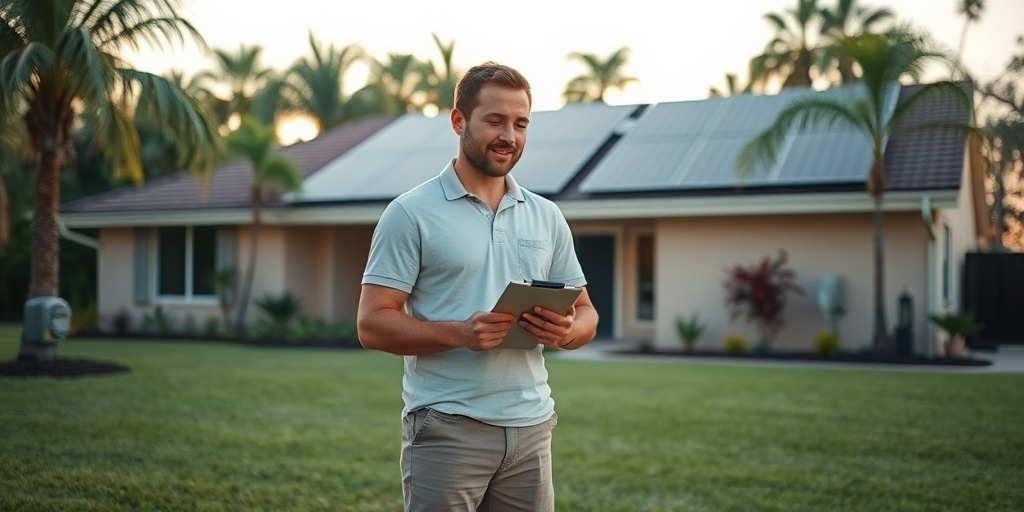
In the sunshine state, with over 261 days of sunshine each year, Florida offers one of the most promising environments for solar energy in the United States. Did you know that by investing in solar panels, Florida homeowners can save an average of $27,000 over 20 years? Additionally, the cost of living is expected to increase by 7.77% in 2025, making energy efficiency more crucial than ever (InsuranceNewsNet.com). This makes our article titled “Essential Guide to Solar Panel Maintenance for Florida Homeowners” not just timely but vital. Proper care of your solar panels ensures optimal performance and maximizes savings—especially with rising energy costs and growing ecological concerns in 2025.
Throughout this guide, we will explore five comprehensive sections. First, we’ll dive into the world of maintenance through real-life stories and expert analysis. Next, we’ll provide a checklist of actionable steps for keeping your solar panels in tip-top shape. This will be followed by a myth-busting segment where we clear the air around common misconceptions. We will then focus on Florida’s unique solar landscape and its specific needs. Finally, we will provide a technical deep dive, discussing system components and billing intricacies that directly affect you as a Florida homeowner. So let’s illuminate the path to solar success together!
Solar Panel Maintenance: The Key to Longevity and Efficiency
Imagine this: the Johnson family from Orlando just got their solar panels installed last summer. After a year of enjoying reduced electric bills and guilt-free energy use, they notice something surprising. Their energy output has dropped significantly—despite the fact that the Florida sun is still shining bright. A simple dust buildup and the occasional tropical storm had led to decreased efficiency, reminding them that maintenance is crucial.
To effectively maintain solar panels, follow these key steps:
- Visual Inspection: Monthly checks for dirt, debris, and damage.
- Regular Cleaning: Aim for at least twice a year or after heavy storms.
- Professional Maintenance: Schedule annual evaluations with a certified solar technician.
- Monitor Your Energy Output: Keep an eye on your energy bills to spot drops in production.
- Check Your Inverter: Ensure your inverter is operational since this component affects overall system performance.
Now, let’s debunk some common myths surrounding solar panel maintenance:
- Myth #1: Solar Panels Don’t Need Cleaning: This is false! In areas with high pollen or dust, regular cleaning is essential to maintain efficiency.
- Myth #2: Rain Will Clean My Panels: While rain can help, it may not remove stubborn grime. Regular cleaning is still necessary.
- Myth #3: Solar Panels Are Fragile: In fact, they are designed to withstand severe weather conditions, but neglect can lead to issues.
- Myth #4: DIY Maintenance is Enough: While homeowners can perform basic checks, professional evaluations are critical for comprehensive care.
- Myth #5: Solar Energy Isn’t Worth the Investment: With reduced electricity costs and tax incentives, solar energy pays off long-term.
The success of solar energy in Florida is reflected in a 2022 report showing that the state added nearly 7,000 solar jobs, increasing the state’s market significantly. With over 40% of the energy now coming from renewable sources, Florida is setting precedents for other states striving for sustainability (SEIA.org). All this drives home the importance of maintenance clearly—proper attention to your solar panels makes a direct impact on the longevity and effectiveness of your solar investment.
Best Practices for Solar Panel Care
First and foremost, to enjoy hassle-free solar usage, you need to understand the best practices that surround solar panel maintenance. Here are five expert tips that resonate particularly well for Florida homeowners in 2025:
- Go Professional: Never underestimate the benefit of hiring a professional service. They carry the tools and expertise to identify issues you might overlook.
- Consider the Weather: Be proactive! Florida’s tropical climate can mean storms and hurricane-season impacts. If your area is due for severe weather, schedule a pre-storm inspection to ensure your panels are secure.
- Keep the Surroundings Clear: Trim overhanging branches and remove debris regularly. Florida’s lush vegetation can lead to blockages that diminish panel efficiency.
- Utilize An Online Monitoring System: Systems like solar monitoring apps allow you to view energy production stats and any performance drops directly from your smartphone.
- Stay Informed of Local Regulations: Each Florida municipality can have different codes and regulations regarding solar energy. Being informed will prepare you for any necessary changes to your system.
Another vital insight worth noting: solar panels have an average lifespan of 25 years. Keeping them well-maintained can even extend their efficiency and effectiveness beyond that time (Energy.gov). Cities like Orlando and Tampa are currently leading the way in solar adoption—a clear indication that diligent homeowners are benefiting right now. Visit floridaelectricandsolar.com to learn more on how you can keep your installation in peak condition.
Florida’s Unique Solar Landscape
When it comes to the solar landscape in Florida, local insights and regulations are paramount. Let’s take a closer look at some Florida-specific considerations that can affect how homeowners maintain their solar systems.
- State Incentives: Florida offers various incentives, such as the Property Assessed Clean Energy (PACE) program which can finance energy efficiency upgrades. This allows homeowners to invest in solar panel maintenance without substantial upfront costs.
- Solar-Ready Homes: Neighborhoods designated as solar-ready may benefit from unique utilities and support. Check with local agencies to understand if your area qualifies.
- Insurance Considerations: It’s essential to inform your insurance provider about your solar installation to ensure coverage in case of damage.
- Local Building Codes: Be aware of compliance with local regulations for installation or maintenance to avoid penalties and ensure safety.
- Community Incentives: Teams of local solar enthusiasts often band together for maintenance days, which foster community engagement while benefiting home systems.
In 2025, Florida leads the nation with more than 3.8 gigawatts of installed solar capacity (NREL.gov). With the advancements in solar technology and a robust support network for homeowners, Florida is making strides toward a more sustainable future. Being part of that effort starts with proper maintenance of your solar panels.
Understanding Solar System Components: A Technical Deep-Dive
To effectively maintain solar panels, it’s crucial to familiarize yourself with the various components involved in solar energy systems. Here are the main components you’ll need to understand:
- Solar Panels: These are the devices that convert sunlight into electricity. Regular inspection of Panel integrity, dust buildup, and physical damage should occur.
- Inverters: This vital component converts the direct current (DC) generated by the panels into alternating current (AC) which is what your home appliances use. Monitoring your inverter’s performance can reveal if there are any issues with your entire system.
- Battery Storage: If your system is equipped with batteries, checking and maintaining their level is crucial. In Florida, battery storage can be vital, especially during hurricanes or power outages.
- Wiring and Connectors: Inspect wiring for any signs of wear or damage. Frayed wires can lead to diminished performance or even electrical hazards.
- Monitoring System: Advanced solar energy systems include monitoring services that can provide real-time data on energy output and alert you to issues.
Studies show that proper maintenance can increase system efficiency by as much as 25%, impacting your savings and environmental footprint considerably (SolarReviews.com). Be sure to maintain all these components regularly to maximize performance, and always consult a professional when in doubt.
Next Steps for Florida Solar Buyers in 2025
Making a decision about solar energy is just the beginning; maintenance makes all the difference. Follow this actionable plan to kickstart your solar journey effectively:
- Step 1: Audit Your Electric Bill: Compare energy usage before and after solar installation to understand how much you are really saving.
- Step 2: Create a Maintenance Schedule: Map out monthly and annual maintenance tasks. Include visual inspections, professional checks, and cleaning schedules.
- Step 3: Research Local Providers: Look for local solar maintenance providers and consider obtaining written quotes to understand market rates.
- Step 4: Set Up Monitoring: Install an online monitoring system if you don’t already have one. This gives you real-time insights into your energy consumption.
- Step 5: Build a Community: Connect with your local Florida solar homeowners group to share insights, maintenance tips, and resources.
Taking these steps will ensure that your solar energy investment continues providing savings for years. For expert assistance and additional resources, check out floridaelectricandsolar.com.
As we wrap up this comprehensive guide, remember that maintaining solar panels is more than just a chore—it’s a safeguard for your financial future and sustainability goals. As energy costs continue to rise, getting ahead becomes essential. The Johnson family’s story reminds us that vigilance in maintenance can nip problems in the bud, thereby ensuring a pleasant experience with solar energy. Let this be your cue to take charge today!
Ready to start your solar journey in 2025? Connect with a certified expert at floridaelectricandsolar.com today.
Related Articles
More insights about Solar Panel

Florida Homeowners: Why Solar Panel Maintenance Is Essential

7 Essential Steps for Solar Panel Installation Success

Expert Insights: Key Factors Influencing Solar Panel Lifespan
Ready to Go Solar?
Have questions about solar energy? Our experts are here to help you make the switch to clean, renewable energy.