
Warning: Ignoring EV Charger Installation Could Cost You Money
Share:
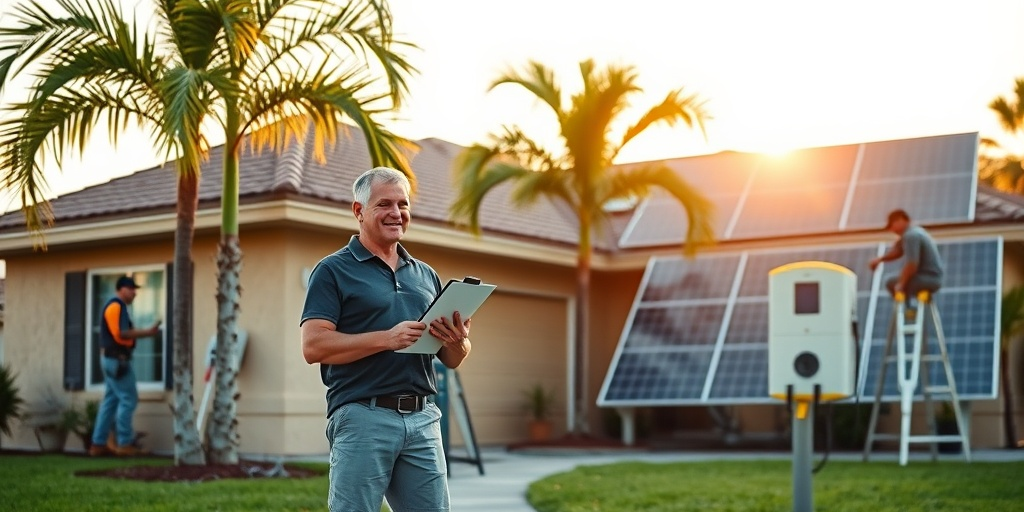
Imagine waking up to the sound of your electric vehicle humming silently as you prepare for the day ahead. You dash outside, plug your car into a state-of-the-art EV charger, and head inside to enjoy your coffee without a second thought about charging costs. For many Florida homeowners, this scenario is not just a dream; it’s a reality that can save them money and enhance their home’s energy efficiency. Yet, ignoring EV Charger Installation Could Cost You Money, especially in the pivotal year of 2025. With rising energy costs projected to increase by 5% annually and the growing affordability of EVs, this is the ideal time to invest. According to the U.S. Department of Energy, electric vehicles (EVs) are expected to comprise more than 50% of the auto market by 2025, which adds urgency to the must-have installation of home EV chargers. In this post, we’ll explore why homeowners in Florida should act now, against the backdrop of rising costs and the increasing stability of energy usage through solar and EV technologies.
In this article, we will dive into five essential sections: First, we’ll explore an emotional case study that highlights real-world impacts. Next, we’ll provide a checklist for homeowners on what to consider when installing an EV charger. The third section will debunk common myths surrounding EV chargers and solar energy. In the fourth section, we will focus on local Florida statistics that demonstrate the importance of this technology. Finally, we’ll provide a thorough technical deep-dive to equip you with a solid understanding of how solar power and EV charging work hand in hand. Let’s get started!
Why Ignoring EV Charger Installation Could Mean Losing Money
To illustrate the financial implications of neglecting EV charger installation, let’s consider the story of Rachel, a typical Floridian homeowner. Rachel, a mother of two living in Orlando, recently decided to purchase an electric vehicle to reduce her carbon footprint and take advantage of the savings on fuel. However, she chose to ignore the crucial step of installing an EV charger at home, thinking she could charge her vehicle at public stations instead.
Initially, Rachel was thrilled about her new electric car. Yet, within weeks, she began to notice that the costs from using public charging stations rapidly added up. According to recent findings, charging at public stations can cost upwards of 60% more than charging at home (SolarReviews.com). This mismatch in costs left her puzzled and frustrated as she could have saved hundreds annually by installing a dedicated home EV charger that connected to her solar power system.
As Rachel’s frustration grew, she realized she wasn’t utilizing her solar panels effectively. By charging at home using renewable energy, she could have mitigated her utility bills significantly. In fact, the U.S. Energy Information Administration predicts that solar energy can cut electricity costs by 75% for homeowners in regions with robust solar incentives, a statistic Rachel discovered too late (EIA.gov). This led to a painful conclusion: ignoring the installation of an EV charger not only made Rachel’s electric vehicle more expensive but also limited her potential solar energy savings.
Recognizing her oversight, Rachel acted quickly by contacting professionals for an EV charger installation alongside an upgrade of her solar energy system. Her experience highlights a critical lesson for Florida homeowners: understanding that every decision impacts not just your monthly budget but also your home’s long-term energy efficiency potential.
Your EV Charger Installation Checklist
Now that you’ve recognized the consequences of inadequate planning, it’s time to take action. This EV Charger Installation Checklist will help you navigate the process smoothly to avoid missed opportunities:
- Step 1: Assess Your Electrical Capacity – Before installation, evaluate your home’s electrical capacity. Consult a licensed electrician to ensure your system can handle the additional load of an EV charger.
- Step 2: Choose the Right Charger – Not all EV chargers are created equal. Determine which type suits your vehicle’s specifications and assess your charging habits. Level 2 chargers are ideal for home installations, offering a perfect balance between charging speed and cost.
- Step 3: Find the Optimal Location – Placement is critical. Ensure the charger is easily accessible and consider proximity to your solar panel system for maximum energy efficiency.
- Step 4: Consider Permitting and Codes – Check local regulations for permit requirements. Ensuring compliance with local codes and utility guidelines can save you time and potential headaches.
- Step 5: Contact Experts – Finally, partner with knowledgeable professionals who can not only install your EV charger but also assess your home’s solar power efficiency. A trusted local installer can optimize the entire setup for peak performance.
The EV Charger Installation Checklist sets a strong foundation for a successful investment. As you move forward, connect to a skilled installer at floridaelectricandsolar.com who will guide you through this journey.
Myth-Busting Common Misconceptions About EV Chargers
Myth #1: EV Chargers Are Unnecessary – Many believe that EV chargers are superfluous if public charging stations exist. However, the costs associated with public charging make home installations a far more economical choice. In fact, charging at home can save you up to $800 annually compared to public stations (ElectrifyAmerica.com).
Myth #2: All EV Chargers Are Equal – Not all chargers provide the same efficiency. Charging speeds vary significantly based on the type of charger and your vehicle. Understanding these differences is key to maximizing your charging experience.
Myth #3: Solar Power Is Out of Reach – Some homeowners think transitioning to solar power is too expensive or complicated. In reality, incentives available in Florida can effectively reduce the upfront costs, making solar a viable option for most homeowners (SEIA.org).
Myth #4: Installation Will Take Too Long – While there may be concerns about the installation process taking too long, many installations can be completed within a day. Proper planning with an expert can expedite this process significantly.
Myth #5: You Cannot Charge During Peak Hours – Some worry that they must avoid charging during high-rate hours. However, with home solar panels, excess energy can efficiently charge your vehicle during the day, countering peak hour strain.
By dispelling these myths, homeowners are better positioned to make informed decisions about EV charger installations and solar energy. Arm yourself with knowledge, and you’ll eliminate unnecessary costs in the long run.
Florida-Specific Facts and Data
As a Florida homeowner, understanding local data helps inform your decisions about EV charger installation. Florida’s unique climate and energy landscape play pivotal roles in solar energy adoption. Here are key factors:
- Florida leads the nation with over 7,000 charging stations, making it a robust market for electric vehicles (AFDC.gov).
- Incentives for solar power installations are designed by local governments and utility companies to increase solar adoption among Floridians, with potential savings of $0.75 on every dollar invested in solar (SEIA.org).
- The cost of installation for EV chargers has decreased by up to 50% in recent years, driven by both technology improvements and expanded market competition (SolarReviews.com).
- With an average of over 260 sunny days a year, Florida provides a natural advantage for generating solar energy, significantly boosting your return on investment with solar-powered EV chargers.
Understanding these Florida-focused facts ensures that you are not only aware of the opportunities for savings on your electric bills but also invested in a sustainable future. Explore more about solar solutions at floridaelectricandsolar.com and discover how to leverage these incentives.
Understanding the Technical Aspects of EV Charging and Solar Power
As you consider installing an EV charger, a technical deep-dive into how EV chargers interact with solar energy systems will be beneficial. To maximize your investment, you should grasp the underlying mechanisms driving effective energy management.
First, it’s essential to understand the different types of solar systems. For EV charging, grid-tied systems are commonly recommended due to their ability to draw from both solar-generated and grid-based energy. This flexibility maximizes utility during peak times.
Next, consider the performance of inverters, which convert solar energy into alternating current (AC) that is usable for the home and electric vehicle. Modern inverters are efficient, with conversion rates exceeding 95%, ensuring minimal energy loss when charging your vehicle.
Additionally, energy storage systems, such as batteries, can store excess solar energy for later use. This allows homeowners to utilize solar power at nighttime or during peak demand hours, further cutting expenses and increasing savings.
- Performance spikes occur during sunny afternoons, making them optimal for charging your vehicle directly from solar energy.
- Utilizing smart charging systems allows homeowners to schedule charging during lower rate periods, ensuring maximum cost efficiency.
- Grid management systems are evolving to accommodate greater amounts of decentralized energy generation, enabling better reliability and stability.
When approaching an EV charger installation integrated with solar energy, knowledge of these technical aspects allows for informed decision-making. It’s crucial to work with experienced professionals who understand these systems and can provide tailored strategies to maximize your investment.
Next Steps for Florida Solar Buyers in 2025
As we move closer to 2025 and the anticipated rise in solar adoption and EV usage, taking decisive action is crucial. Here’s a robust action plan to guide your journey:
- Step 1: Audit Your Electric Bill – Begin by reviewing your current energy consumption. Identify areas where a solar installation can lead to savings and make informed decisions about charging capacity.
- Step 2: Research Available Incentives – Florida homeowners have access to various incentives related to solar installations. Research potential rebates, tax credits, and financing options that can stabilize your budget.
- Step 3: Schedule Your Installation – Once you understand your needs and financial incentives, schedule a consultation with a trusted local installer to assess your property and set a timeline.
- Step 4: Optimize for Efficiency – After installation, continually monitor your energy production and consumption. Utilize apps and smart technology to manage your energy effectively and maximize savings.
- Step 5: Stay Informed About New Technologies – The solar and EV industries are rapidly changing. By staying informed about new developments, you can ensure your investment remains at the cutting edge of technology.
Every step you take today can lead to significant savings tomorrow. Learn more about optimizing your solar journey with a certified expert at floridaelectricandsolar.com, where we are committed to helping Florida homeowners navigate this exciting transition into renewable energy.
In conclusion, the importance of investing in EV charger installation cannot be overstated. Ignoring this crucial element could lead to potential financial losses, missed opportunities for energy efficiency, and a detrimental impact on your home’s value and sustainability. Every decision propels you toward your financial and environmental goals. Actively engaging with solar options alongside an EV charger installation ensures you are not only prepared for 2025 but also poised to thrive. Ready to start your solar journey in 2025? Connect with a certified expert at floridaelectricandsolar.com today and embark on a path to energy independence.
Related Articles
More insights about EV Charger

What Florida Homeowners Ask About Solar EV Charger Installation

Florida Homeowners Exploring EV Charger Installation Benefits

Beginner’s Guide to Understanding EV Charger Installation for Homeowners
Ready to Go Solar?
Have questions about solar energy? Our experts are here to help you make the switch to clean, renewable energy.