
Why Florida Homeowners Need to Explore EV Charger Installation
Share:
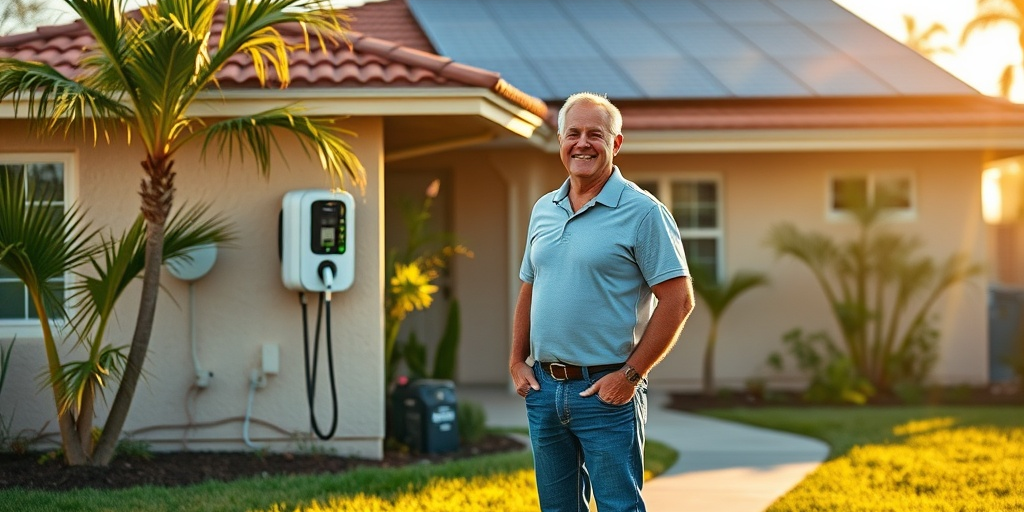
In Florida, an impressive statistic reveals that over 50% of new vehicle sales are expected to be electric by 2030 (EVAdoption.com). This shift towards electric vehicles (EVs) comes not just from environmental concerns, but also from the rising costs of traditional fuels and the benefits that come with owning an electric car. As the number of electric vehicles on the road increases, Florida homeowners need to consider a crucial aspect that directly impacts their energy choices: the installation of EV chargers. In this blog post titled Why Florida Homeowners Need to Explore EV Charger Installation, we will delve into the essential reasons for embracing EV charger installation, especially as we look toward 2025, when substantial climate initiatives and new incentives are likely to evolve. Recent reports indicate that Florida’s residential electric rates are among the highest in the country, making energy fuel savings increasingly desirable (EnergyInformationAdministration.gov). This topic matters urgently in 2025 because homeowners must equip themselves to maximize energy savings, engage with sustainable living, and prepare for a future dominated by electric vehicles and solar energy integration. In the upcoming sections, we will explore a captivating case study of a local family, a step-by-step checklist for installation, a breakdown of common myths, a deep dive into local context and regulations, and finally an exploration of technical considerations involved in installing EV chargers.
Section 1: Why Florida Homeowners Should Consider Installing EV Chargers
Imagine the Johnson family, residents of Orlando, who recently purchased their first electric vehicle, a sleek Tesla Model 3. After dreaming of minimizing their carbon footprint and cutting down on fuel costs, they finally made the commitment. But once they parked their new car in their driveway, a pressing concern arose: where would they charge it? This scenario is becoming increasingly common as more Florida homeowners opt for electric cars. Installing a home EV charger has become not just a convenience but a necessity. Below, we outline actionable steps and, supported by real stories, explain why investing in an EV charger is beneficial for homeowners:
- Understand the Types of EV Chargers: There are mainly three types of EV chargers: Level 1, Level 2, and DC Fast Chargers. Level 1 uses a standard household outlet and is suitable for overnight charging, while Level 2 offers faster charging and is ideal for daily use at home.
- Assess Your Home’s Electrical Capacity: Before installation, it’s important to check if your electrical system can handle the increased load of an EV charger. Home inspections can help determine if upgrades are needed (SEIA.org).
- Consider Local Incentives: Florida offers various incentives for homeowners who install EV chargers and solar panels. The federal tax credit for EV charger installation can significantly reduce the initial costs, making it a worthy investment.
- Plan for Additional Energy Needs: Installing solar panels alongside your EV charger can reduce reliance on the grid while maximizing savings. Homeowners can offset their charging costs by utilizing the power generated from their solar systems.
- Choose a Qualified Installer: Always opt for licensed and experienced professionals who can guide you through the installation process and ensure compliance with local regulations.
Transitioning to electric can be thrilling but recognizing the substantial savings and energy independence attached to EV charger installations in Florida can truly enhance this experience. Statistically, homeowners with electric vehicles and home chargers can save over $1,000 a year compared to traditional fuel costs (FuelEconomy.gov).
Section 2: Common Myths Regarding EV Charger Installations
Despite the increasing popularity of electric vehicles and chargers, several misconceptions hinder homeowners from making informed decisions. Let’s debunk some common myths that often circulate in Florida:
- Myth #1: Charging an EV at home is too expensive: Many believe that the upfront costs of purchasing and installing an EV charger outweigh the benefits. In reality, the cost of electricity needed for charging is generally much lower than gasoline, and federal tax credits can effectively offset installation expenses.
- Myth #2: You can’t charge an EV during a power outage: While it’s true that without power you can’t charge your vehicle, installing solar panels with a battery backup system can provide an uninterrupted energy source, allowing you to charge your EV even during outages.
- Myth #3: Only new homes can support EV charger installations: Many existing homes can easily accommodate chargers with the right upgrades. A professional evaluation can reveal how a home can be adapted to support EV chargers effectively.
- Myth #4: Charging is too slow: Charging times have significantly improved, especially with Level 2 chargers. Many EVs can charge to 80% in under 4 hours, making it convenient for everyday use.
- Myth #5: I don’t drive enough to invest in an EV charger: Even occasional drivers can benefit from owning an electric vehicle; the savings in fuel costs and maintenance often surpass initial reservations.
Local policies and incentives play an essential role here, as Florida has made significant efforts to promote electric vehicles and chargers through various rebates and incentives, making installations more accessible. The Florida Electric Vehicle Infrastructure Plan outlines goals for increasing EV infrastructure throughout the state (FDOT.gov). In doing so, it alleviates many of the misconceptions surrounding EV ownership and transformation to a greener lifestyle.
Section 3: 5 Expert Tips for Successfully Installing EV Chargers
Installing an EV charger at home is often a straightforward process with the right knowledge and preparation. Here are five expert tips to ensure a successful installation:
- Research Local Incentives: Florida homeowners can take advantage of various financial incentives for installing EV chargers. Research available rebates to maximize your financial return.
- Choose the Right Location: Place your charger in a convenient location, preferably near your parking space or garage entrance, to facilitate easy access and minimize extension cord needs.
- Consult with an Electrician: Hire a licensed electrician to assess your home’s existing electrical capacity and explore upgrades if necessary. They may recommend installing a dedicated circuit for safe charging.
- Invest in Smart Technology: Smart EV chargers allow homeowners to monitor charging activities remotely, enabling optimized charging during off-peak hours to save costs on electricity (EnergyInformationAdministration.gov).
- Regular Maintenance and Consultation: After installation, schedule regular maintenance checks to ensure your system operates efficiently and upgrade when legal or technological changes arise.
With between 700,000 and 1.2 million electric vehicles projected to hit Florida roads by 2030 (Deloitte.com), adopting these tips will ensure homeowners are prepared to embrace this transformation efficiently. Understanding the multitude of EV charger options available and selecting the right one is crucial for long-term success.
Section 4: The Johnson Family’s Electric Journey: A Case Study
The Johnson family, after making the decision to switch to an electric vehicle, embarked on a journey that transformed their lifestyle. Their experience with EV charger installation showcases the real impact of this technology and the accompanying benefits:
After initially feeling overwhelmed by the myriad of options, the Johnsons sought guidance on installing an EV charger along with solar panels. They quickly discovered the synergy between both technologies, which empowered them to take control over their energy independence. Here’s how they went about it:
- Educating Themselves About EV Chargers: They read articles and sought expert opinions on the best chargers for their needs. As teachers, research was integral to their decision-making process.
- Consulting a Local Installer: Joe, a licensed electrician from Florida Electric & Solar, came to assess their home and advised them on recent incentives and the best placement for their charger.
- Evolving Their Home’s Energy Profile: The Johnsons combined their new EV charger with a solar energy system, significantly diminishing their electric bills and trusting their energy consumption.
- Tracking Savings and Performance: Using smart technology, they monitored energy production and charging habits, allowing them to adjust their practices for maximum value.
Through their dedicated pursuit of efficiency and sustainability, the Johnsons found themselves saving over $100 monthly and drastically reducing their emissions. They discovered that installing solar panels alongside their EV charging setup liberated them from reliance on fossil fuels, effectively enhancing their experience of owning an electric vehicle.
Section 5: Next Steps for Florida Solar Buyers in 2025
Navigating the world of EV chargers and solar panel installations doesn’t have to be daunting. Adopting a systematic approach will ensure success every step of the way. Here’s a checklist for Florida homeowners to follow:
- Audit Your Electric Bill: Determine your monthly consumption and costs to understand how much you can save by switching to solar and an EV charger.
- Research Available Incentives: Review and compare rebates at floridaelectricandsolar.com to maximize your financial benefits during installation.
- Consult Experts: Reach out to solar experts and certified electricians to assess your home’s energy needs and evaluate the best options for you.
- Plan the Installation: Schedule the installation conveniently, ensuring the setup aligns with your daily routine and lifestyle.
- Monitor and Adapt: Post-installation, track your energy usage and production to determine if any adjustments are necessary. This allows you to optimize your energy plans effectively.
The journey towards an electric future has its challenges but also presents opportunities for remarkable energy savings and environmental impacts. Florida homeowners stand to benefit enormously from such installations, especially as the state continues to embrace clean energy and sustainability in 2025.
In conclusion, Florida homeowners looking to make impactful energy decisions in 2025 should explore EV charger installation as a prudent investment toward a cleaner future. By understanding the significance not just for their home but for the state’s broader energy agenda, families can embark on this transformative journey equipped with all necessary knowledge. Every journey deserves a strong start, and taking these actionable steps helps ensure Florida homeowners protect their interests while engaging in sustainable living.
Ready to start your solar journey in 2025? Connect with a certified expert at floridaelectricandsolar.com today.
Related Articles
More insights about EV Charger

What Florida Homeowners Ask About Solar EV Charger Installation

Florida Homeowners Exploring EV Charger Installation Benefits

Beginner’s Guide to Understanding EV Charger Installation for Homeowners
Ready to Go Solar?
Have questions about solar energy? Our experts are here to help you make the switch to clean, renewable energy.