
Why Florida Homeowners Should Consider EV Charger Installation Now
Share:
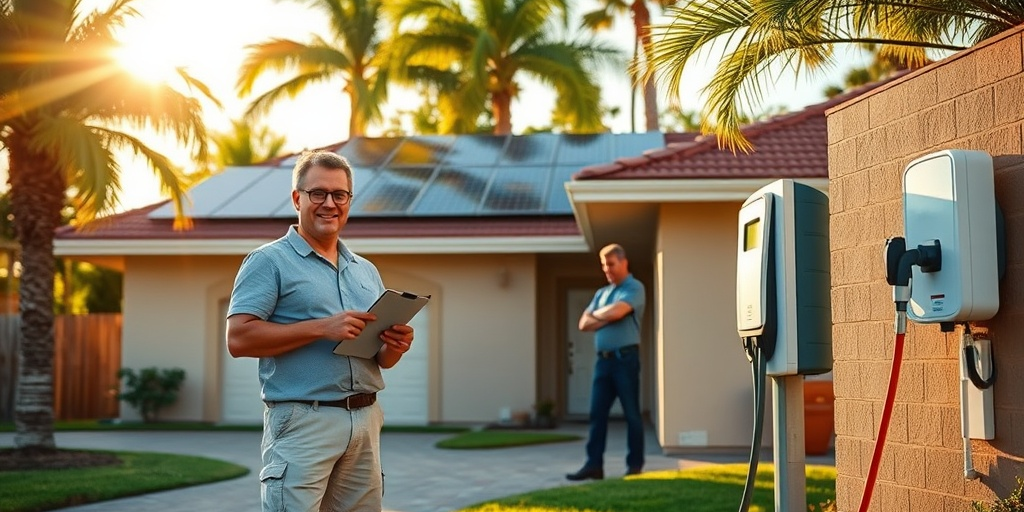
Imagine standing in your driveway, watching your electric vehicle (EV) charge under the warm Florida sun, knowing that you’re not only reducing your carbon footprint but also increasing your home’s value. That’s the allure of installing an electric vehicle charging station in your home, especially as we step into 2025, a pivotal year for sustainable energy initiatives. As Florida homeowners continue to embrace the benefits of solar energy, integrating EV charging into that mix becomes essential. In this blog post titled “Why Florida Homeowners Should Consider EV Charger Installation Now”, we’ll delve into how the surge of eco-conscious living, combined with the rising costs of traditional fuels, makes this an urgent consideration for every homeowner.
According to the U.S. Department of Energy, electric vehicle sales are projected to grow exponentially, with the number of EVs on the road expected to reach 18 million by 2030 (Energy.gov). At the same time, with Florida ranked in the top five states for solar energy installations in the United States, taking advantage of these trends has become a no-brainer, especially in this state where sunshine is abundant (SolarReviews.com).
We’ll explore the following sections to provide you with a comprehensive understanding of why now is the perfect time to invest in EV charger installation:
1. The emotional and financial benefits through a vivid case study
2. A practical checklist for considering EV charger installation
3. Debunking common myths surrounding EV chargers
4. Florida-specific data showcasing the benefits and incentives
5. Insights into the technology and systems involved in installation.
Let’s embark on this crucial journey towards an eco-friendlier and financially savvy future!
Transform Your Home and Lifestyle: Why EV Charger Installation Matters
Meet the Rodriguez family, proud residents of Orlando and passionate eco-advocates. Jose and Maria, along with their two children, firmly believe in leading a sustainable lifestyle. Five years ago, they took a leap of faith and invested in solar panels through Florida Electric & Solar. This decision alone allowed them to knock down their electricity bills and harness the power of the sun. But as their family vehicle transitioned from gas to electric, they soon realized they were missing a vital component for maximizing their eco-friendly commitment: an EV charger.
After a bit of research, the Rodriguezes understood the immense value that installing an EV charger could add—not just for convenience, but also as a long-term investment. Studies reveal that residence with EV chargers can see their home’s value increase by as much as 4% (RealEstate.us). This meant that for the Rodriguezes, charging their Tesla at home wasn’t merely about convenience; it was also about enhancing their property’s resale potential.
With this case study in mind, here’s a simple checklist for any Florida homeowner contemplating EV charger installation:
- Step 1: Check local laws and regulations concerning EV charger installations in Florida.
- Step 2: Contact a licensed contractor who specializes in solar and EV installations.
- Step 3: Consider the type of EV charger that fits your vehicle and lifestyle—Level 1 or Level 2 charging options.
- Step 4: Explore available incentives and rebates for EV charger installations specific to Florida residents.
- Step 5: Enjoy the convenience of at-home charging and watch your home value grow!
Furthermore, myriad common misconceptions surround EV charger installations. It’s vital to clear the air:
Myth #1: I can only charge my EV at public charging stations.
Truth: While public chargers are available, having one at home allows for overnight charging, making your vehicle ready to go each morning without the hassle.
Myth #2: Installing an EV charger is prohibitively expensive.
Truth: While there are upfront costs, the long-term savings on fuel, tax rebates, and increased home value greatly offset initial installation expenses.
Myth #3: Homeowners Association (HOA) rules will prevent me from installing an EV charger.
Truth: Under Florida law, any HOA rules restricting EV charger installations may not be enforceable. Florida is actively pushing for legislation to promote residential EV adoption.
Myth #4: All EV chargers are created equal.
Truth: There are various options, including Level 1 and Level 2 chargers offering different charging speeds and capabilities, so it’s crucial to choose wisely.
Myth #5: EV charging will increase my home’s electrical load to dangerous levels.
Truth: Modern homes are equipped to handle increased electrical loads, especially with the right support from solar energy systems.
In Florida specifically, state incentives can be crucial in ensuring affordability. According to the Florida Electric Power Coordinating Group, the state offers various rebate programs each year for homeowners adopting solar technologies or EV infrastructure (FEPCCG.org). Transitioning to a cleaner energy lifestyle isn’t just eco-friendly; it’s a smart financial decision.
By examining the experiences of families like the Rodriguezes and understanding the critical aspects surrounding EV charger installations, you can empower yourself with knowledge. The push toward sustainable living exemplifies a win-win situation—the earth benefits, and your family reaps the financial rewards. Let’s transition to our next section, where we delve deeper into the various incentives available to Florida homeowners when considering EV charger installations.
Florida-Specific Incentives for EV Charger Installations
Installing an EV charger not only benefits your lifestyle but can also significantly enhance your home value. The financial incentives offered in Florida make this endeavor more feasible than ever. The combination of state-level incentives and federal tax breaks is designed to spur homeowners like you into eco-friendly practices.
- Federal Tax Incentives: The federal government offers a tax credit of up to 30% of the cost of your EV charger installation, which can provide substantial savings on your investment.
- State Rebate Programs: The state of Florida runs various programs such as the Florida Electric Vehicle Incentive Program, which helps residents offset installation costs.
- Utility Incentives: Many Florida utility companies provide financial assistance or credits for those who choose to install EV chargers, promoting energy efficiency practices.
- Home Value Increase: With the average home price in Florida on the rise, having an EV charger can increase your property value as many home buyers are now looking for sustainable options.
For an in-depth assessment of the incentives and how they translate to financial benefits, you can refer to the Florida Electric & Solar website, where you’ll find personalized guidance to take advantage of these offerings.
Understanding these opportunities is key to making an informed decision about your EV charger installation. With energy costs fluctuating, having a home that can adapt to increasing fuel prices and shifting energy policies will ultimately provide peace of mind. So let’s investigate some best practices you should follow when installing solar technology alongside your EV charger in 2025.
5 Essential Solar Installation Tips for 2025
Installing solar technologies alongside your EV charger isn’t just an afterthought; it’s a strategic move that can yield long-term benefits. As energy costs rise and technology continues to advance, taking the right steps can ensure you reap maximum savings.
Tip #1: Choose the Right Solar Panel System
Investing in high-efficiency solar panels that fit your energy needs is crucial. Look for brands that offer robust warranties and excellent performance ratings to ensure you maximize your investment. According to the Solar Energy Industries Association, a good system can save you thousands on your electric bill over time (SEIA.org).
Tip #2: Don’t Skimp on Installation Quality
A poor installation can lead to long-term costs. Always opt for certified professionals with strong reputations and proven track records to ensure your solar panels and EV charger function effectively and safely.
Tip #3: Consider Battery Storage
Adding a battery storage system can help you store excess solar energy for use at night or during blackouts. This adds another layer of resilience to your home, reducing your reliance on grid energy.
Tip #4: Monitor Your System Regularly
Invest in monitoring software that allows you to track your solar energy production and EV charging capabilities. This data not only helps you adjust usage patterns but also ensures you’re getting the most from your installations.
Tip #5: Utilize Local Incentives
Stay alert for new local incentives, as Florida regularly updates its energy policies to promote solar investments. Frequent checks on state programs can save you money and enhance your system installations.
By adhering to these installation tips, you can shape a more responsible energy future while enjoying the advantages of modern technology. Now, let’s immerse ourselves in the journey of a typical Florida homeowner who transitioned to solar and EV technology, recounting their invaluable experiences.
The Solar Journey of a Florida Homeowner: A Hypothetical Narrative
Let’s imagine a hypothetical Florida homeowner—Sarah—who decided to transition to solar energy and install an EV charger for her family. Residing in Tampa, Sarah began her journey by researching the benefits of solar energy and the rising trend of electric vehicles. After understanding the environmental and economic factors, she decided to explore options to make her home more sustainable.
Sarah started the process by auditing her electrical consumption, realizing that her family’s growing energy needs and the EV charger would put a strain on their current system. To counteract this, she researched the best solar panel solutions suitable for her 2,200 square-foot home with a typical residential roof. Integrating a solar panel system could potentially reduce her electric bill by up to 50% (Energy.gov).
- Step 1: Sarah connected with a reputable installer certified by Florida Electric & Solar, who guided her through the selection of high-efficiency solar panels.
- Step 2: She researched the available state and federal incentives, maximizing her tax credits and rebates to make the installation affordable.
- Step 3: The installation was seamless, allowing her to begin enjoying solar energy almost immediately.
- Step 4: A skilled technician then installed an EV charger adjacent to her driveway, allowing her to power her electric car directly from her solar energy system.
As months passed, Sarah noticed a profound difference. Not only was her electric bill slashed to a fraction of what it used to be, but her family enjoyed the convenience of charging their vehicle overnight. Additionally, she was pleased to learn that the equity in her home had increased by an estimated 4% since the installation, translating into a significant return on investment (RealEstate.us). With the rising trend of electric vehicles and sustainable living, she embraced the benefits of doing good for the planet while contributing to her family’s financial well-being.
Sarah’s story is a testament to how the installation of solar technology along with an EV charger can redefine the living experience for Florida homeowners. As we wrap up, let’s outline an actionable plan for you if you’re considering going solar or installing an EV charger in the upcoming year.
Next Steps for Florida Solar Buyers in 2025
If you’re ready to explore the idea of EV charger installation alongside solar energy for your home, here’s a concise action plan that will guide you through the process efficiently:
- Step 1: Audit Your Electric Bill
Understand your previous energy consumption and identify how much energy you can offset with solar panels and an EV charger. - Step 2: Research Local Installers
Collaborate with trusted local solar and EV charger installers. Ensure they have credible reviews and testimonials before proceeding. - Step 3: Schedule a Consultation
Set an appointment to discuss your energy needs, potential benefits, and financial incentives available in Florida. - Step 4: Evaluate Your Options
Compare different solar and EV charger systems, warranties, and features. Don’t hesitate to seek clarifications on aspects that confuse you. - Step 5: Installation and Monitoring
Once installed, regularly monitor your energy consumption and charger functionalities to ensure optimized performance.
By following these actionable steps, you can greatly reduce the friction often associated with the decision to go solar and install EV charging solutions. It’s time to take charge of your energy future.
The journey to adopting solar energy and installing an EV charger may seem daunting, but with the right education and support, it can lead to a brighter and more sustainable future for you and your family. As we conclude this exploration of why Florida homeowners should consider EV charger installation now, let’s recap: the benefits are numerous, from financial savings to helping mitigate climate change. With advancements in state incentives and technologies, now is the time to take action on this vital issue.
Ready to start your solar journey in 2025? Connect with a certified expert at floridaelectricandsolar.com today.
Related Articles
More insights about EV Charger

What Florida Homeowners Ask About Solar EV Charger Installation

Florida Homeowners Exploring EV Charger Installation Benefits

Beginner’s Guide to Understanding EV Charger Installation for Homeowners
Ready to Go Solar?
Have questions about solar energy? Our experts are here to help you make the switch to clean, renewable energy.