
Why Florida Homeowners Should Consider EV Charger Installation
Share:
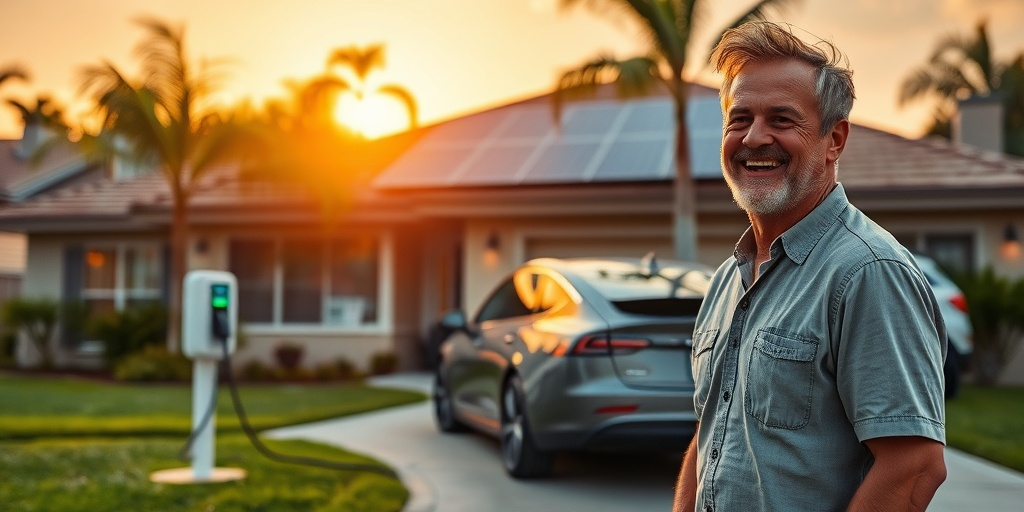
Imagine a world where you no longer have to worry about your monthly electric bill skyrocketing during Florida’s sweltering summer months. As more homeowners transition to electric vehicles (EVs), the necessity for reliable EV charging installations is becoming increasingly apparent. With electric vehicle sales expected to see exponential growth in the coming years, Florida homeowners should consider EV charger installation. In fact, a recent report stated that as of 2022, there were over 70,000 EVs registered in Florida, and this number is projected to soar as more people embrace sustainability (ElectricCarsReport.com). As we edge closer to 2025, the implications of going solar alongside installing an EV charger can lead to monumental savings for Florida’s homeowners seeking greater energy efficiency. Today, we will explore why it is crucial for you to consider an EV charger installation in your home, discussing everything from enhancing your home’s value to maximizing your savings with solar energy. Over the next several sections, we’ll look at a compelling case study, provide a checklist for getting started, debunk common myths, share local insights specific to Florida, and delve deeper into the intricate details of solar technology.
Why EV Charger Installation is Crucial for Florida Homeowners
Consider what it was like for Peter and Samantha, a young couple living in Tampa. Both were commuting to their jobs with gas guzzlers, contributing to high fuel and upkeep costs. The couple decided to purchase an electric vehicle, enticed by a growing awareness of climate change and the appeal of lower operating costs. However, they soon found themselves grappling with the challenge of charging their new car. Lacking a home charger, they resorted to public charging stations, which disrupted their routine and created added stress. Consequently, they realized that installing an EV charger at home was not merely an afterthought, but an essential upgrade they needed for their modern, future-ready lifestyle.
EV charger installation is not just about convenience; it’s about aligning your home with the future of transportation. According to recent studies, Florida is expected to add over 100,000 electric cars by 2025, creating an increasing demand for home charging options (U.S. Department of Energy). By installing an EV charger, Florida homeowners not only free themselves from the dependence on public charging stations but also set themselves up for long-term cost savings, especially when paired with solar energy solutions. As Florida continues to grow as a hub for solar energy, now is the time to integrate an EV charger with solar panel installation to maximize benefits.
Now let’s dive into the steps every Florida homeowner should consider when it comes to EV charger installation. Not only will you be making an investment in your home, but you’ll also contribute to a sustainable future.
5 Steps to Successfully Install an EV Charger
Installing an EV charger might seem daunting, but it doesn’t have to be. Follow this structured checklist to ensure you cover all your bases:
- Step 1: Assess Your Energy Needs
- Step 2: Choose the Right Charger Type
- Step 3: Consult Certified Technicians
- Step 4: Evaluate Local Government Incentives
- Step 5: Pair with Solar Energy Solutions
Step 1: Assess Your Energy Needs.
Start by understanding your driving habits and how much energy your EV requires. Most electric vehicles need between 3.3 kW to 22 kW per charging session. Calculate how often you’ll need to charge your vehicle—this will help determine the capacity of the charger you’ll need.
Step 2: Choose the Right Charger Type.
There are varying levels of EV chargers, including Level 1 (standard outlet) and Level 2 (240V). For homeowners, Level 2 is generally the recommended option as it significantly reduces charging time and adds convenience.
Step 3: Consult Certified Technicians.
Engaging a certified technician ensures proper installation compliant with local codes. This step is crucial for safety and functionality, preventing potential hazards.
Step 4: Evaluate Local Government Incentives.
Florida offers numerous incentives for installing EV chargers, including rebates for residential installations. Check local utilities and state programs, which can dramatically lower your initial costs. For example, the Florida Power & Light Company (FPL) has been known to provide rebates that can cover a significant portion of installation.
Step 5: Pair with Solar Energy Solutions.
Integrating an EV charger with your solar panel system means not only charging your vehicle sustainably but also saving even more on your electric bill. When the sun shines, your home can source energy for both your charger and your appliances, leading to increased savings over time.
By following this checklist, Florida homeowners will make informed decisions on installing EV chargers, setting themselves on a path toward sustainable energy independence and maximizing their return on investment.
Myths About EV Charger Installation in Florida
Despite the growing popularity of electric vehicles and EV charger installations, several misconceptions continue to deter homeowners. Here, we’ll debunk some of the most prevalent myths surrounding EV charger installations.
Myth #1: EV Chargers Are Too Expensive to Install
While initial costs can be high, many Florida homeowners find that rebate programs and tax credits significantly offset these expenses. Plus, the long-term savings of using solar energy make the investment worthwhile.
Myth #2: You Can Only Charge an EV at Public Stations
Many believe they must rely solely on public charging stations, but installing a home EV charger allows you to charge your vehicle overnight, eliminating range anxiety entirely. Studies show that 80% of EV charging occurs at home (EVAdoption.com).
Myth #3: You Need to Buy an Expensive Electric Vehicle
Some think that EV chargers are only suitable for high-end electric vehicles. In reality, there are various affordable EV models available to fit different budgets, and the savings in fuel costs make them even more attractive.
Myth #4: Solar Panels and EV Chargers Don’t Work Well Together
On the contrary, combining solar panels with EV chargers is a strategic choice. By harnessing solar energy for charging, you reduce reliance on the grid and much lower your total electricity costs.
Myth #5: Charging Stations Damage Your Home’s Electrical System
When properly installed by certified professionals, EV chargers have minimal impact on your home’s electrical system. They can actually enhance the efficiency of your home’s energy system when integrated with solar energy.
Now that we’ve debunked these myths, it’s important to remember that the integration of EV charge stations with your home’s solar system can lead to significant energy savings.
Florida-Specific Considerations for EV Charger Installation
As a Florida homeowner, there are specific considerations and opportunities unique to your location when it comes to EV charger installation. The diverse climate and regulatory landscape can greatly influence how and when you charge your electric vehicle. Here’s what you need to keep in mind:
- Sunshine State Incentives: Florida has various incentives to promote clean energy. The Department of Environmental Protection has programs specifically for low-income residential families, making it easier for all homeowners to access affordable EV charging options.
- Coastal Considerations: The coastal regions of Florida often deal with humidity and saltwater exposure. Ensure that the EV charger installed in these areas meets the necessary treatment for weather-resiliency to avoid corrosion.
- Power Outages: Florida’s storm season can lead to unexpected power outages. Consider investing in a solar battery system to ensure your EV can be charged even during outages.
- Favorable Utilities Policies: Many utility companies in Florida are working towards sustainability goals. Familiarize yourself with their policies on EV charging programs and how you can benefit.
- Neighborhood Installations: Be in touch with your local community. Many homeowners associations (HOAs) now encourage solar and EV installations. Engage in discussions with your neighbors to create a network that supports EV adoption to strengthen property values.
With these Florida-specific considerations in mind, you can better navigate the complexities of EV charger installation while reaping the full benefits of solar energy.
Understanding the Technology Behind Solar and EV Chargings
The technical side of solar energy systems and electric vehicle chargers may seem overwhelming, but it’s vital to grasp the basics in order to make informed decisions. Understanding how these components work together can ultimately elevate your home’s energy efficiency and cost savings.
Solar panels capture sunlight and convert it into direct current (DC) electricity, which is then fed into an inverter to be converted into alternating current (AC) electricity that powers your home. When charging your EV, the inverter can be directly connected to the home’s electrical system.
- Solar Panels: Originating from silica or other compounds, solar cells generate electricity when exposed to sunlight. The energy generated can be stored in batteries or used immediately. Various panel types differ in efficiency, so it is essential to choose ones that will meet your household demands, especially when adding an EV.
- Inverters: The inverter converts the DC electricity generated by your solar panels into AC electricity that can be used in your home. It is crucial to select an inverter that matches your needs—particularly if you plan to simultaneously charge your EV while using household appliances.
- Charging Stations: Understand the differences between Level 1, Level 2, and even Level 3 chargers. Most residential installations utilize Level 2 charging, allowing for faster charging times and compatibility with solar energy systems.
- Battery Storage Solutions: Many homeowners choose to complement their solar installations with battery storage systems. These batteries can store excess solar energy generated during the day for use during the night or during power outages, providing a more reliable source for charging your EV.
Every aspect of your home’s energy system interacts, making it critical to choose compatible equipment and installations, especially when venturing into solar energy and EV charger installations.
Next Steps for Florida Solar Buyers in 2025
If you’re ready to take the leap and begin your solar and EV charger journey in 2025, you must follow these essential next steps:
- Step 1: Audit Your Electric Bill. Identify your monthly electric usage to establish how much energy your household consumes and how solar energy can benefit you.
- Step 2: Research Solar Options. Evaluate different solar providers in Florida. Look into reviews, system offerings, and warranty options to determine the best fit for your home. Check our website for more resources: floridaelectricandsolar.com.
- Step 3: Investigate Local Regulations. Understand city or county regulations regarding solar installations and EV charger setups; this varies widely across the Sunshine State.
- Step 4: Contact Local Incentive Programs. Explore any local or state incentives that apply to your solar and EV installation. This step can dramatically reduce costs and improve your ROI.
- Step 5: Engage Qualified Professionals. Partner with certified installers who can guide you through the installation process, leveraging their knowledge of local conditions to maximize your energy savings.
Following this actionable plan will position you as a leader in embracing renewable energy. In an era marked by rising energy costs and increasing interest in sustainability, the integration of solar energy and EV charger installations provides an empowered approach to energy independence.
In conclusion, adopting an EV charger installation complements the solar energy transition that is taking hold in Florida. With significant benefits like improved energy efficiency, lower electric bills, and a commitment to a healthier environment at stake, Florida homeowners can make a wise investment that pays dividends. The future is electric, and by installing an EV charger, you’re not just adopting a new convenience—you’re paving the way for the future of our planet and your family’s financial health.
Ready to start your solar journey in 2025? Connect with a certified expert at floridaelectricandsolar.com today.
Related Articles
More insights about EV Charger

What Florida Homeowners Ask About Solar EV Charger Installation

Florida Homeowners Exploring EV Charger Installation Benefits

Beginner’s Guide to Understanding EV Charger Installation for Homeowners
Ready to Go Solar?
Have questions about solar energy? Our experts are here to help you make the switch to clean, renewable energy.